What Is AF Output?
AF output stands for audio frequency output. It is the connector or terminal on an audio device that sends an audio-frequency signal — the range humans can hear, roughly 20 Hz to 20 kHz — to another device. On amplifiers, mixers and KTV processors, the AF output is usually a line-level signal, not a powered speaker signal. You use it to feed a recorder, a second amplifier, a zone mixer or a distribution system.
If you have seen "AF OUT" printed next to a pair of RCA or 6.35 mm jacks on the back of an amplifier, that is exactly what it is: a signal tap, not a speaker terminal.
AF Output vs Speaker Output: The Key Difference
This is where most confusion starts, so it is worth separating the two clearly.
- AF output (line level): low-voltage signal, typically around 0.7–2 V, meant for another device's line input. It carries no meaningful current and cannot drive a loudspeaker.
- Speaker output: high-voltage, high-current signal from the amplifier's power stage, designed to drive 4–8 ohm (or 70/100 V) loudspeakers.
Connecting a speaker to an AF output will not produce sound and can damage the circuit. Connecting a line input to a speaker output will overload it. Match the output type to the input type every time.
Common AF output connector types
- RCA phono jacks (consumer and semi-pro gear)
- 6.35 mm (1/4") TRS or TS jacks
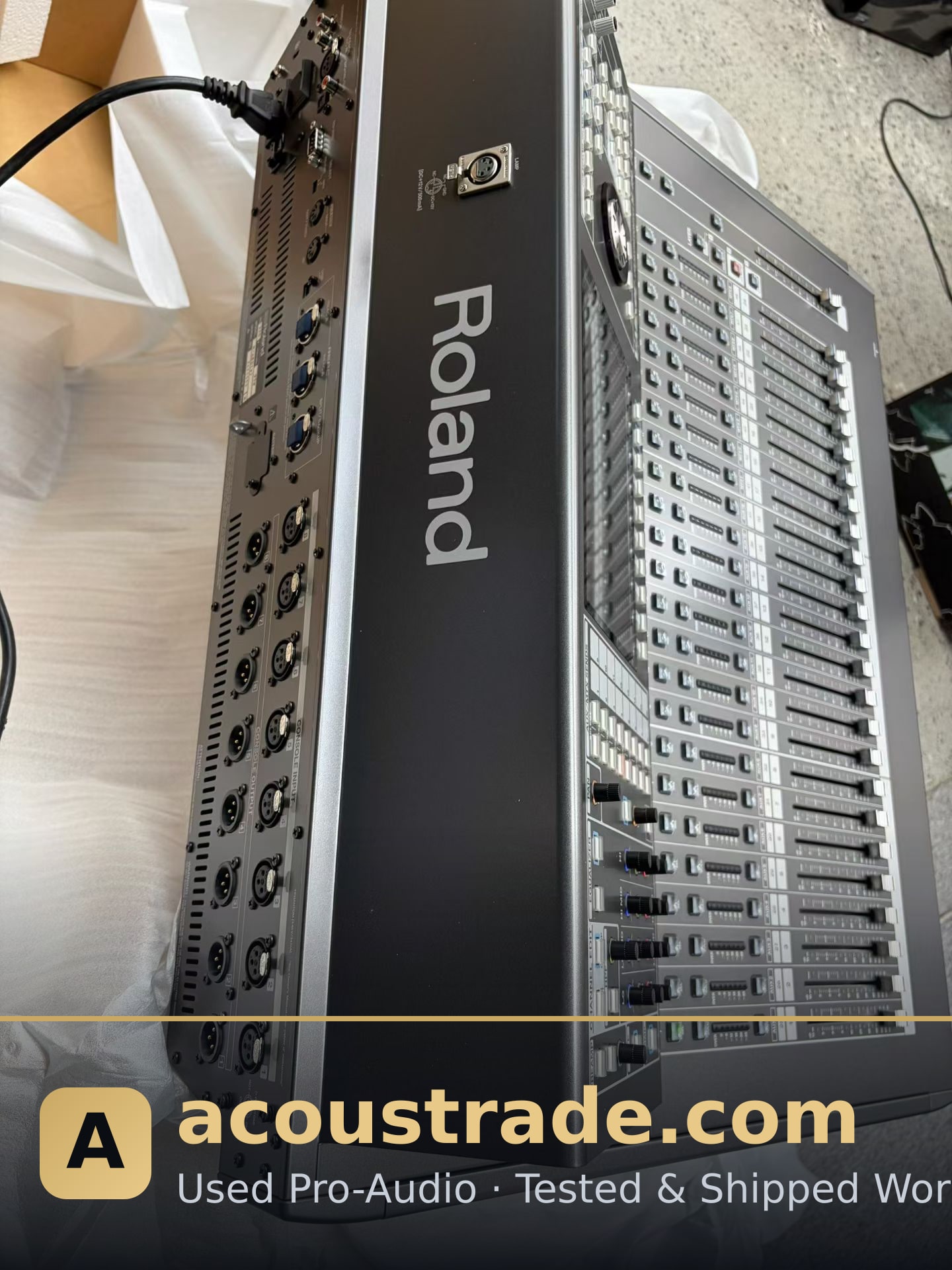
- XLR balanced outputs (pro mixers and processors)
- Phoenix / Euroblock terminals (install amplifiers and zone mixers)
Where AF Outputs Are Used in Real Venues
AF outputs are the backbone of signal distribution in bars, KTV rooms, restaurants, gyms and small clubs. Typical uses:
- Multi-zone audio: one mixer's AF output feeds several amplifiers, each driving a different area.
- Recording and streaming: the AF output of a mixer sends a clean line-level mix to a recorder or encoder.
- Cascading amplifiers: a second amp receives the AF output of the first to cover a larger room without splitting the source.
- KTV systems: the processor's AF output feeds the vocal amplifier while the music channel goes elsewhere.
- Subwoofer feed: a full-range amp's AF output can feed an active subwoofer's line input.
When you are specifying a venue system, count your AF outputs early. Running out of line-level outputs is one of the most common reasons integrators end up adding a distribution amplifier mid-project.
Buying Used Gear: What to Check on AF Outputs
Because AF outputs carry low-level signals, faults here are subtle — a noisy jack or a dead channel can ruin an otherwise good amplifier. When buying tested used amplifiers and mixers, check the following:
- All channels work: test each AF output individually, not just the main pair.
- No hum or crackle: wiggle each jack while listening; intermittent contacts show up fast.
- Correct level: compare the AF output against a known-good source.
- Connector condition: look for bent pins, corrosion or loose RCA collars.
- Documentation: confirm what each output is (pre-out, rec-out, zone out), since labels vary by brand.
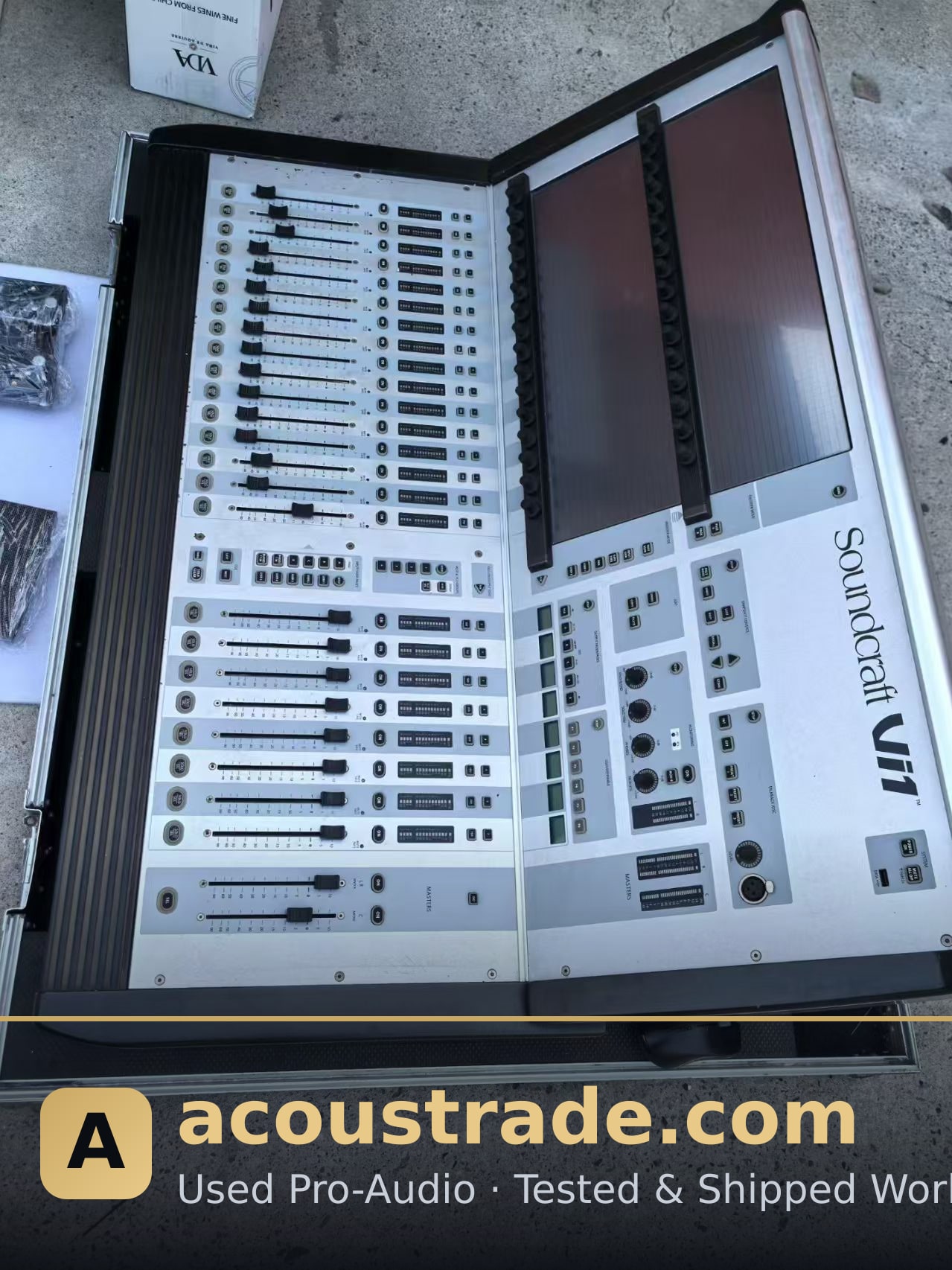
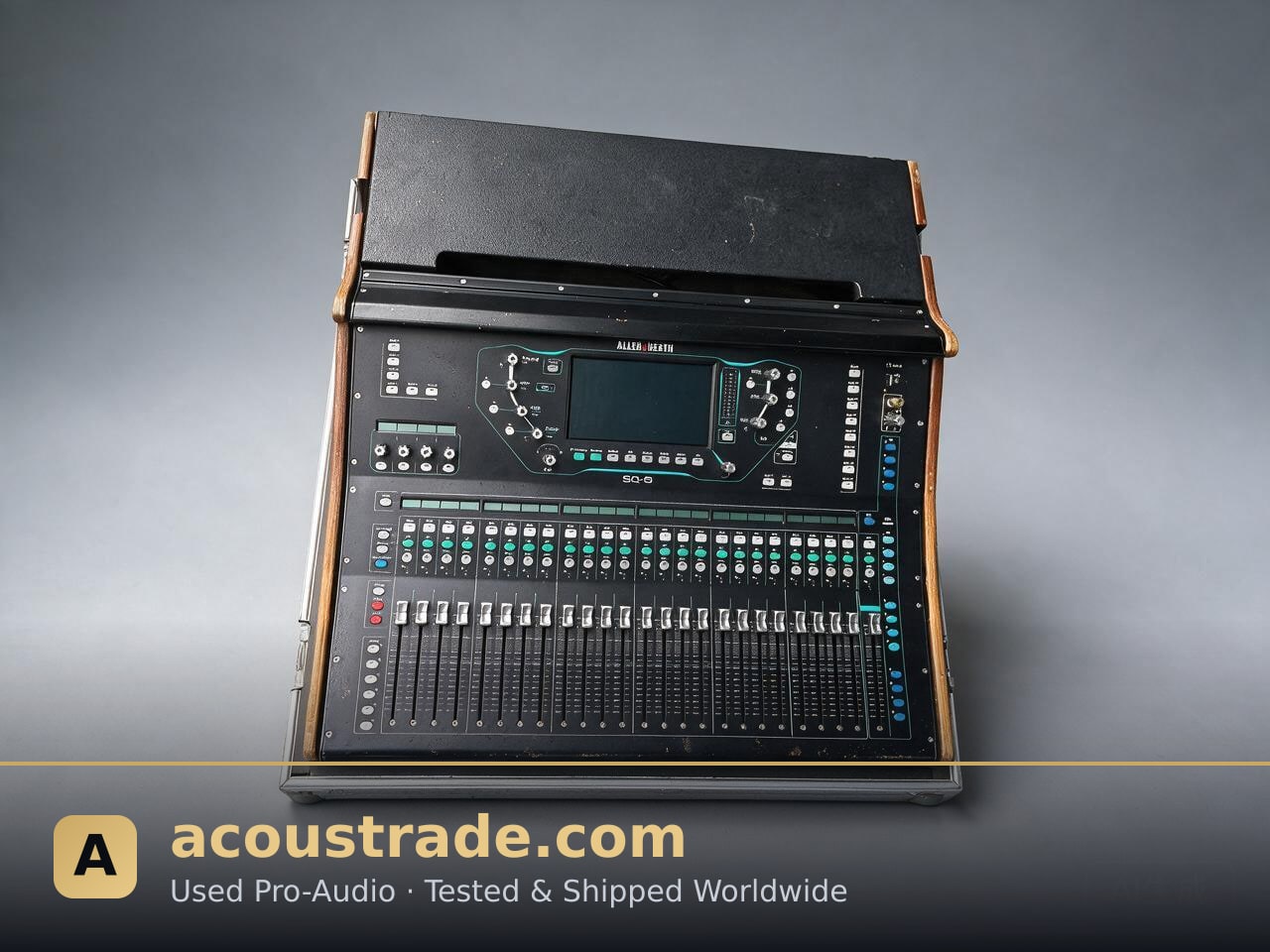
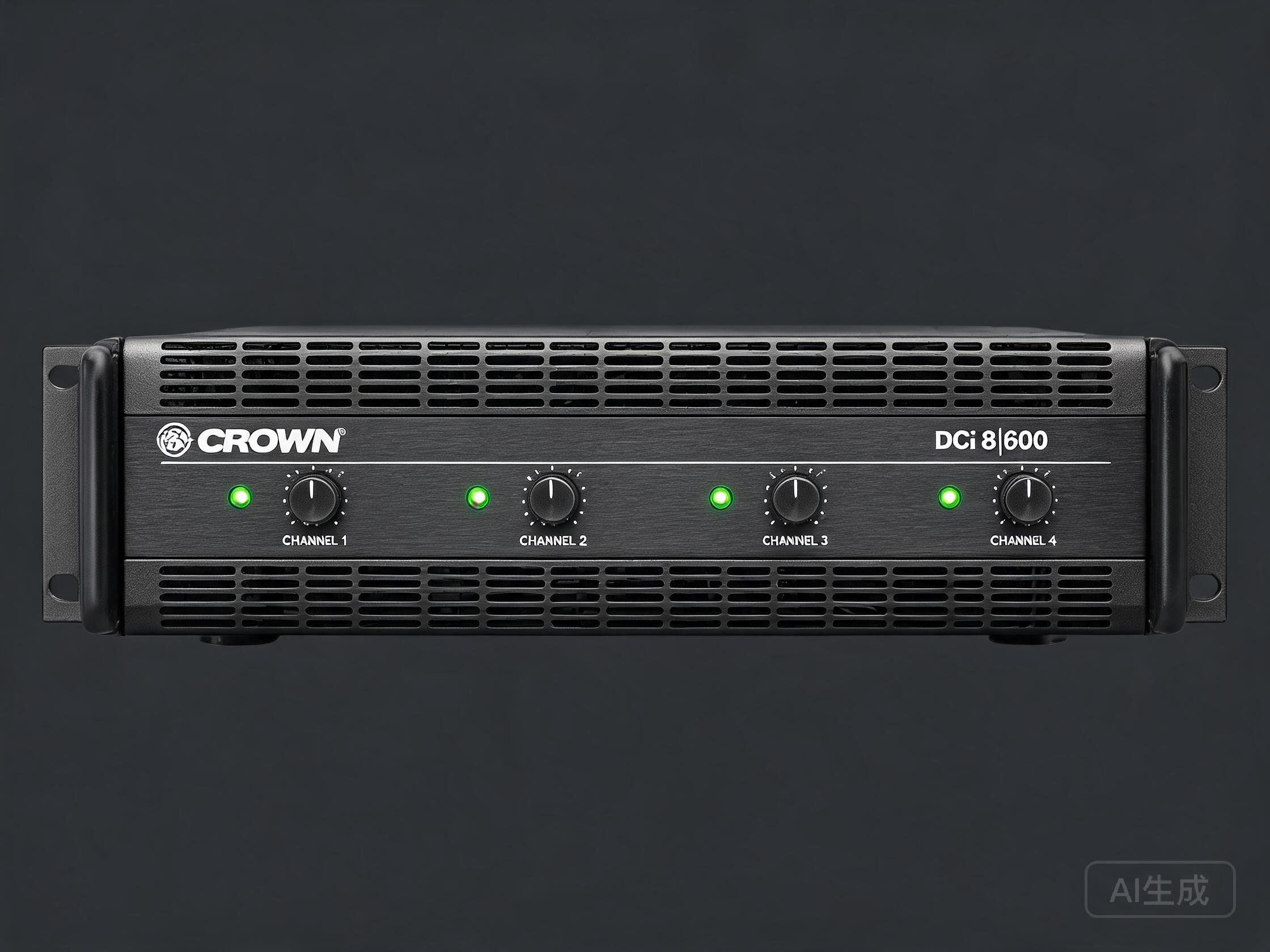
Acoustrade supplies tested used amplifiers, mixers and KTV systems with AF outputs checked before shipping, so integrators can deploy them into multi-zone projects with confidence.
AF Output, Pre-Out and Rec-Out: Are They the Same?
Not always. Manufacturers use these labels loosely, so read the manual.
- Pre-out: usually a volume-controlled line output taken before the power stage — good for feeding a subwoofer or second amp.
- Rec-out: a fixed-level output for recording; it typically ignores the volume knob.
- AF out: a general term that can mean either of the above, depending on the device.
If the level changes when you turn the master volume, it is a pre-out style AF output. If it stays fixed, it is likely a record output.
FAQ
What does AF output mean on an amplifier?
AF output means audio frequency output — a line-level signal output used to send audio to another device such as a recorder, mixer or second amplifier. It is not a speaker output and cannot drive loudspeakers directly.
Can I connect a speaker to an AF output?
No. AF outputs are line-level and cannot supply the current a speaker needs. Use the speaker terminals for loudspeakers and reserve AF outputs for line inputs.
Is AF output the same as pre-out?
Often, yes — but not always. Some AF outputs are fixed-level record outputs. Check whether the level changes with the master volume to tell them apart.
Why is my AF output noisy?
Common causes are a dirty or worn jack, a ground loop, or a mismatched level. Try a different cable first, then test the jack with a known-good source.
Does Acoustrade test AF outputs on used equipment?
Yes. Acoustrade's tested used amplifiers and mixers are checked for working AF outputs, clean connectors and correct signal level before shipment.