Air Cargo for Band Equipment: What You Need to Know
Moving a band's gear across borders is not the same as shipping a few suitcases. Amplifiers, line arrays, mixers, and microphone cases are heavy, fragile, and often high-value. Air cargo for band equipment is the fastest option, but it comes with specific rules on packing, documentation, and cost. This guide explains how it works so you can plan a tour, a venue installation, or a one-off equipment purchase without surprises.
When Air Cargo Makes Sense for Band Gear
Air freight is usually the right choice when time matters more than unit cost. Typical scenarios:
- Touring schedules — gear must arrive before the first show, often within days.
- Venue openings and events — a KTV room, club, or live house needs equipment installed by a fixed date.
- High-value, low-volume items — mixers, wireless microphone systems, and rack effects are compact but expensive, so air freight's higher rate per kilo is easier to justify.
- Replacement and urgent spares — a failed amplifier or processor can stall a production.
For large, heavy, non-urgent loads — full line array systems, stage risers, or bulk speaker cabinets — sea freight or combined sea-air routes are usually cheaper. The trade-off is transit time measured in weeks rather than days.
How Air Cargo for Band Equipment Is Priced
Air freight is billed on chargeable weight, which is the greater of actual weight and volumetric (dimensional) weight. That matters for band gear because speaker cabinets and flight cases are bulky but not always dense.
Key cost factors:
- Chargeable weight — volumetric weight is calculated from length × width × height ÷ a standard divisor (commonly 6000 for air freight, but confirm with your forwarder).
- Routing and service level — direct flights cost more than consolidated cargo with transshipments.
- Fuel and security surcharges — these fluctuate and are set by carriers and forwarders.
- Handling and terminal fees — charged at origin and destination airports.
- Customs clearance and duties — depends on the destination country and the equipment's declared value and tariff classification.
- Insurance — recommended for high-value audio gear.
Ask your forwarder for an all-in quote that separates freight, surcharges, and destination charges. Cheap headline rates often hide fees at arrival.
Packing and Preparing Pro Audio Gear for Air Freight
Aircraft cargo holds are pressurized and temperature-controlled, but ground handling is not gentle. Pack for shock, vibration, and moisture.
- Use road cases or double-wall cartons with foam or custom inserts. Never ship speakers or mixers in single-wall retail boxes.
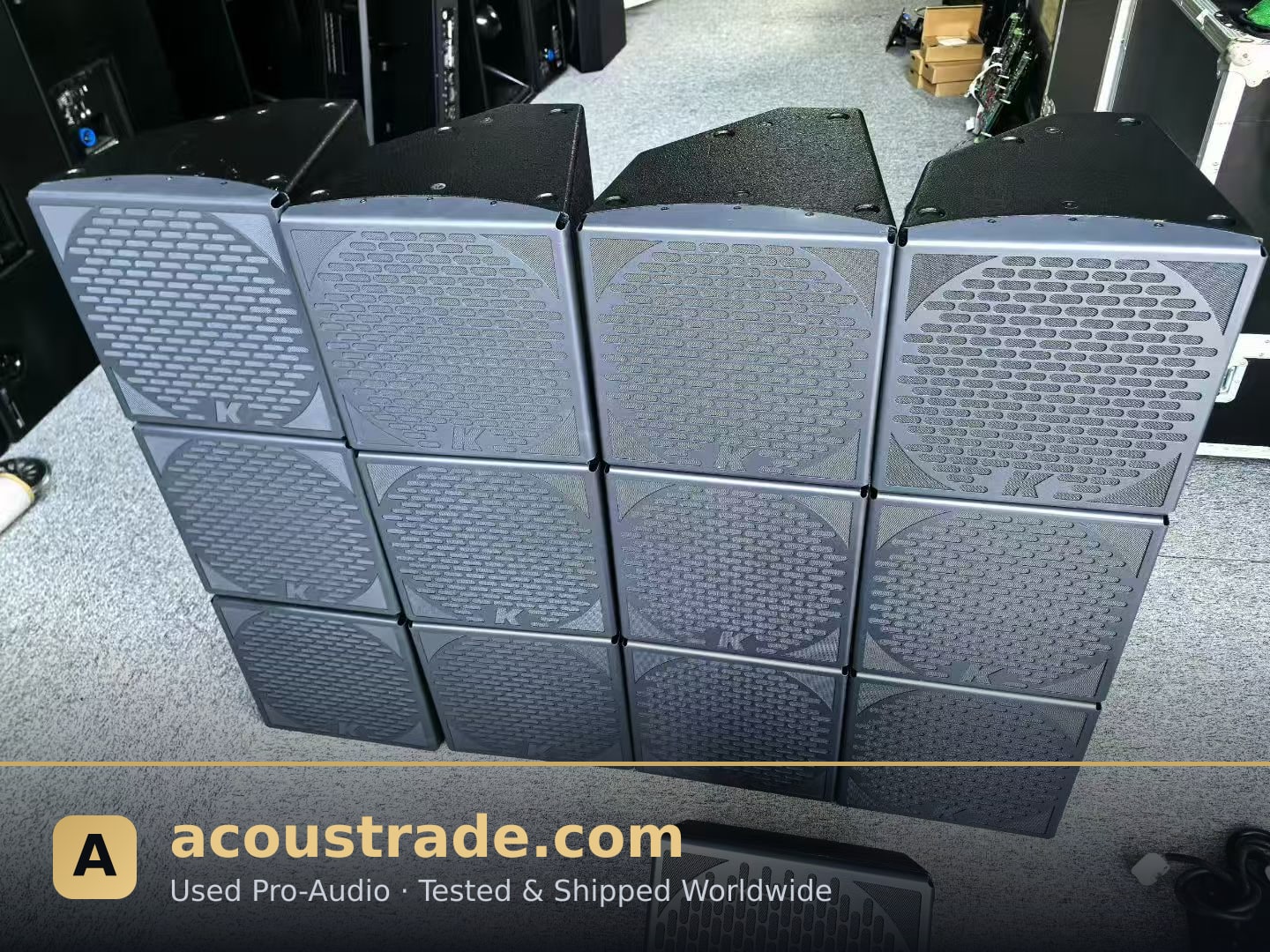
- Protect speakers and line array elements individually; secure grilles and remove or brace loose parts.
- Disconnect and protect connectors; cap XLR, speakON, and power inlets.
- Label every case with contents, weight, and handling instructions. Include a packing list inside and outside.
- Declare batteries and hazardous items — lithium batteries in wireless microphones and in-ear monitors are regulated and may need special documentation or carrier approval.
- Photograph the packed gear before handover for insurance and claims purposes.
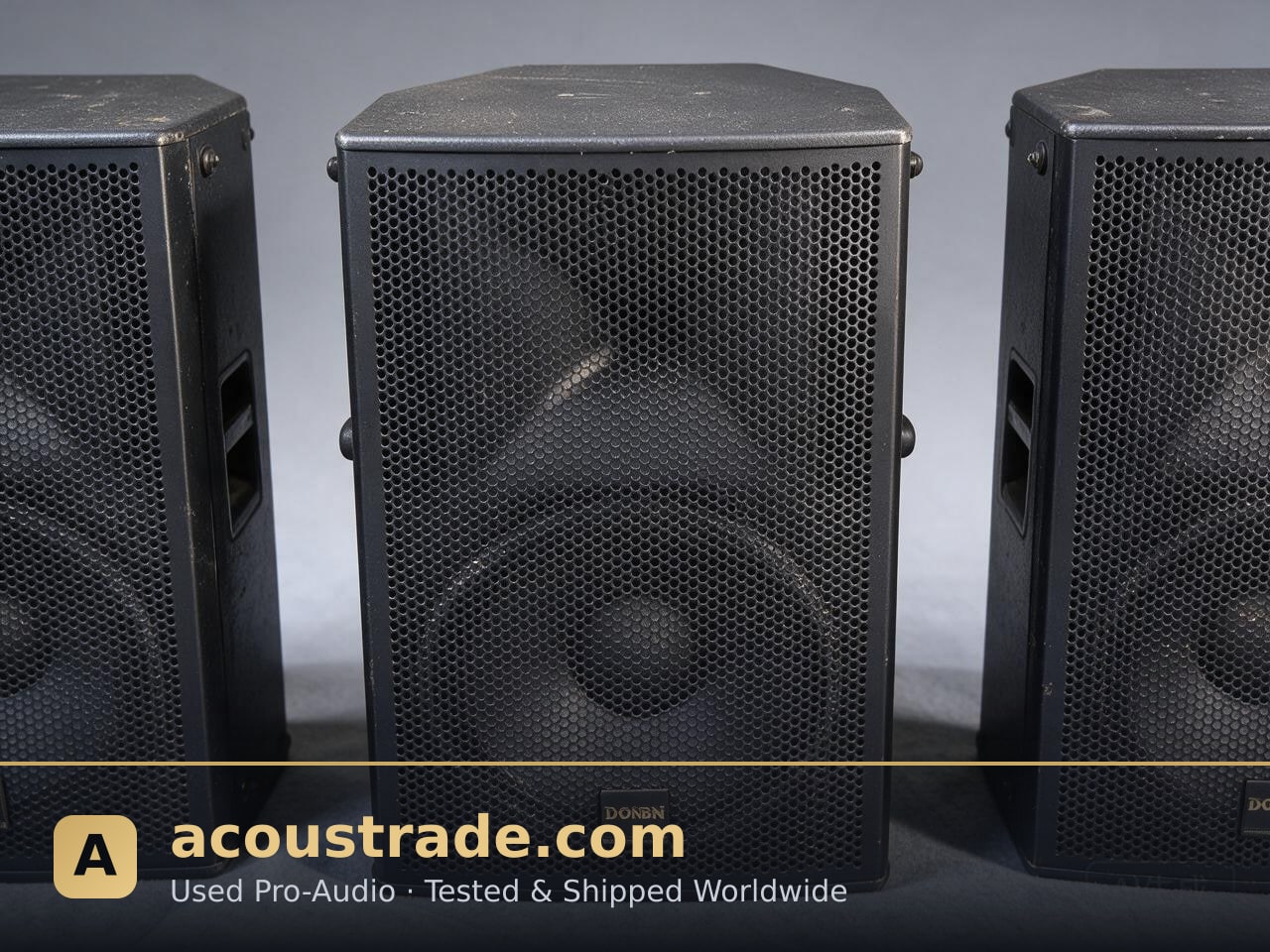
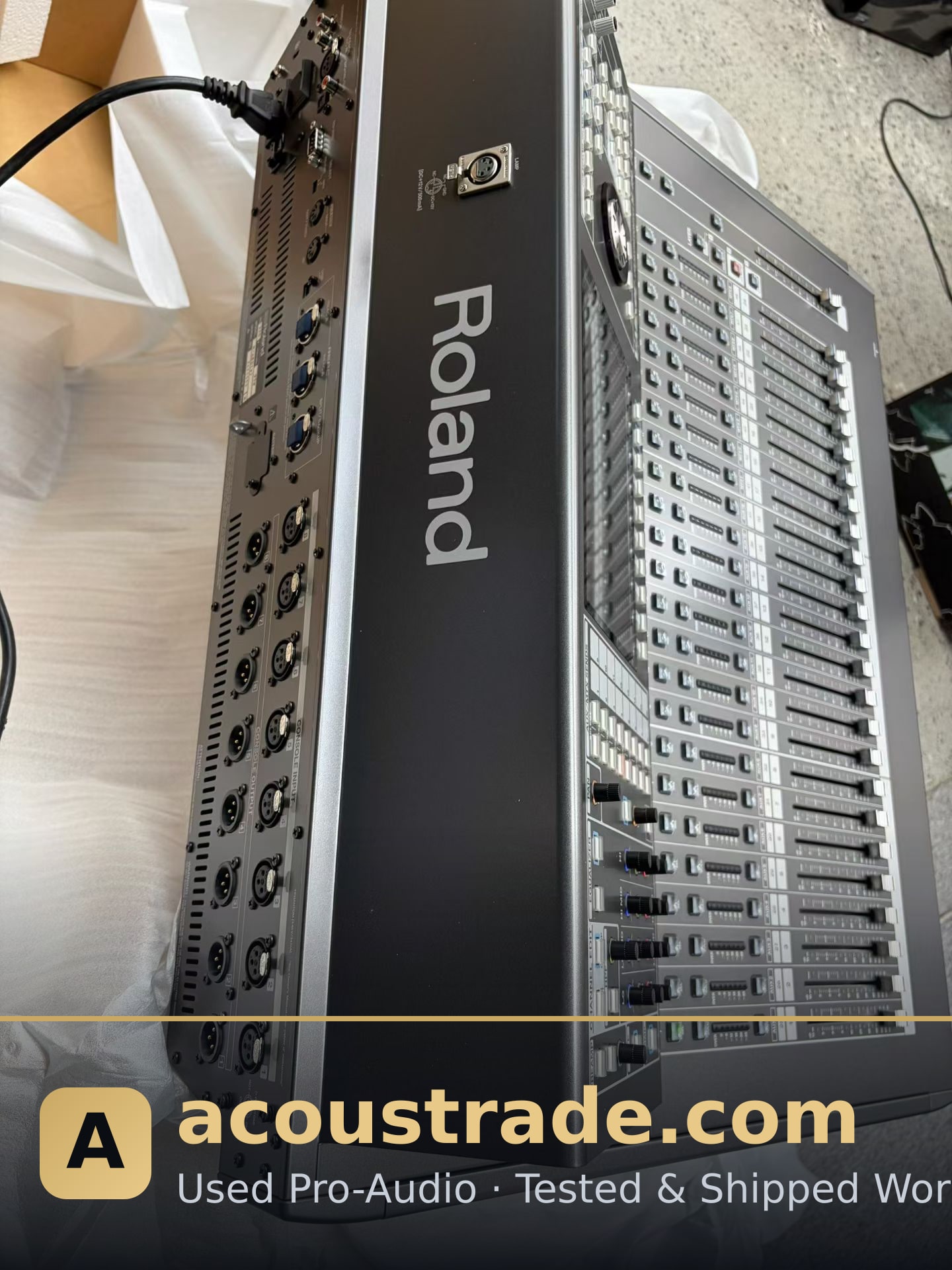
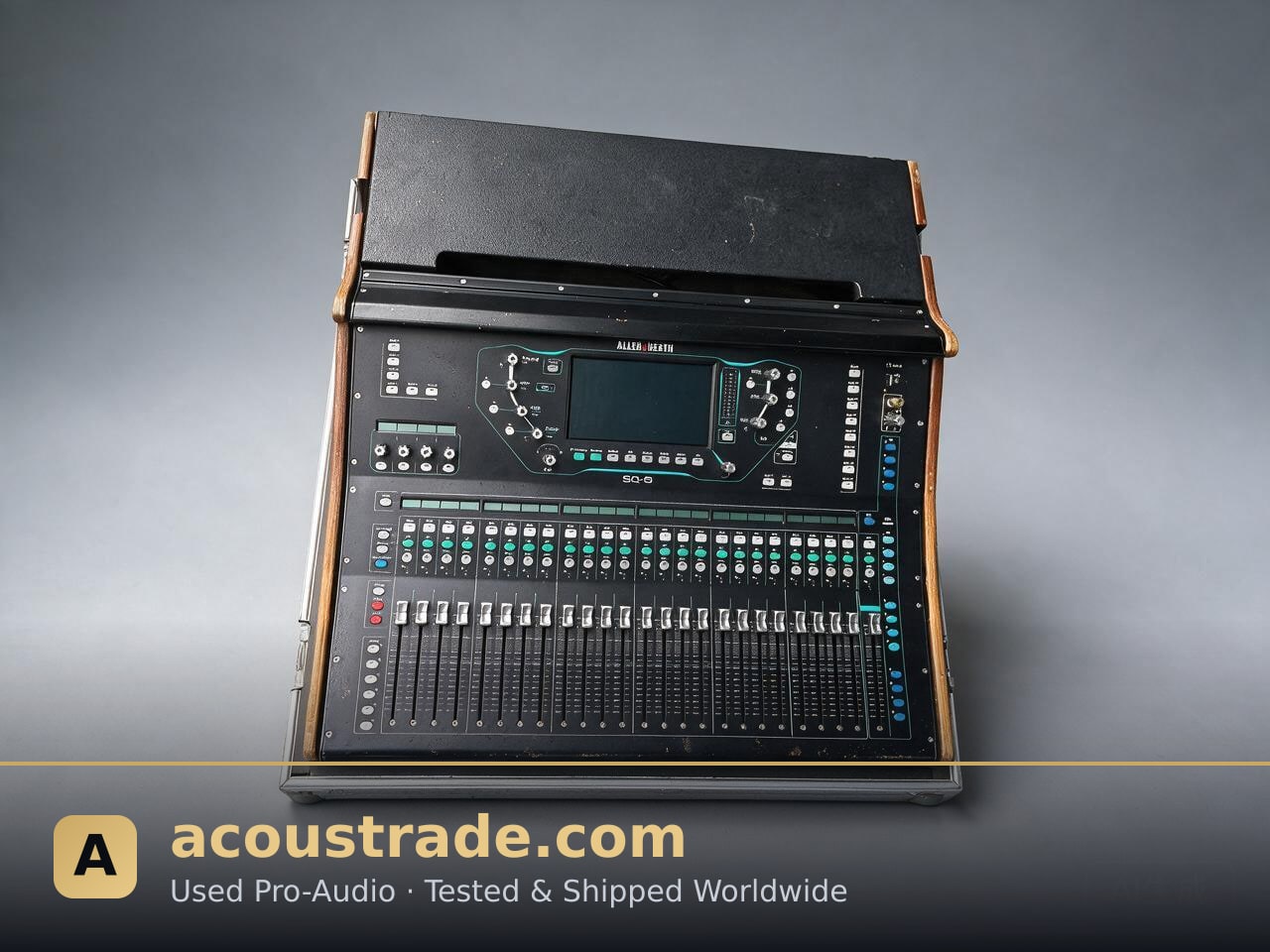
If you are buying used equipment, confirm the seller will pack to air freight standards. Acoustrade supplies tested used amplifiers, speakers, line arrays, mixers, and microphones; ask about export packing and documentation when requesting a quote.
Documentation, Customs, and Carnets
Cross-border movement of band equipment involves paperwork. The exact requirements depend on whether the gear is being sold, rented, or temporarily used on tour.
- Commercial invoice and packing list — required for purchased goods.
- ATA Carnet — a customs document that allows temporary admission of professional equipment without paying duties and taxes. It is widely used for touring gear but is not accepted in every country; check the destination.
- HS codes — audio equipment falls under different tariff lines; misclassification can delay clearance or increase duty.
- Certificates and declarations — some countries require radio equipment compliance for wireless microphones, and wood packaging may need ISPM 15 treatment.
Work with a forwarder experienced in entertainment and AV cargo. They can advise on carnet eligibility, temporary import bonds, and destination-specific rules.
Air vs. Sea: A Quick Comparison
| Factor | Air cargo | Sea freight |
|---|---|---|
| Transit time | Days | Weeks |
| Cost per kg | Higher | Lower |
| Best for | Urgent, high-value, compact gear | Heavy, bulky, non-urgent loads |
| Handling | More transfers, but faster | Fewer transfers, longer dwell |
| Risk | Lower inventory tie-up | Higher inventory tie-up |
Many touring productions use a mix: air for critical control gear and microphones, sea for bulky speaker cabinets and staging.
FAQ
Q: How long does air cargo for band equipment take?
A: Transit time depends on routing and service level. Direct airport-to-airport shipments can move in a few days, while consolidated cargo with transshipments may take longer. Add time for customs clearance at destination.
Q: Is it cheaper to ship band gear by air or sea?
A: Sea freight is usually cheaper per kilogram, especially for heavy or bulky items. Air cargo costs more but is faster, which can be worth it for urgent tours, venue openings, or high-value compact equipment.
Q: Can I ship amplifiers and speakers with lithium batteries by air?
A: Lithium batteries are regulated for air transport. Small batteries installed in devices may be allowed under certain conditions, but you must declare them and follow carrier and IATA rules. Always check with your forwarder before shipping.
Q: Do I need an ATA Carnet for touring equipment?
A: An ATA Carnet can simplify temporary imports for professional equipment, but it is not accepted everywhere. Confirm the rules for your destination country and consider a customs bond or temporary import procedure if a carnet is not available.
Q: How should I pack a mixer or line array for air freight?
A: Use a proper road case or double-wall carton with foam inserts. Protect connectors, secure loose parts, and label the case clearly. Photograph the packed gear and keep a detailed packing list for insurance and customs.