Introduction to Concert Speakers
Concert speakers are the backbone of any live sound system. Whether you are equipping a mid-sized club, a touring rig, or a permanent installation in a performing arts center, the right speakers determine clarity, coverage, and impact. This guide explains the main types of concert speakers, what to consider when buying, and how to source reliable gear—including tested used equipment—without overspending.
Types of Concert Speakers
Concert speakers generally fall into three categories:
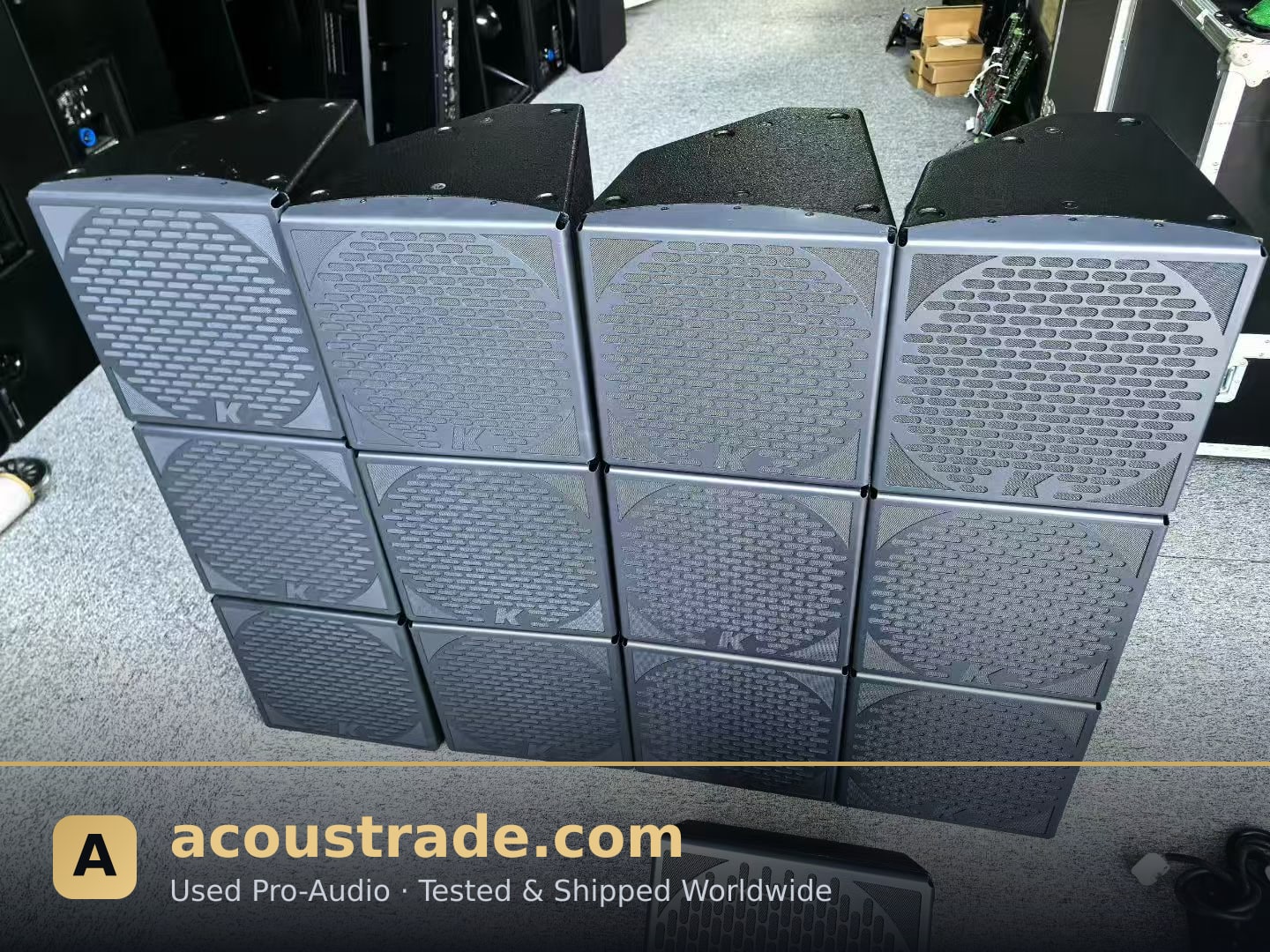
- Line arrays – Designed for large venues, line arrays distribute sound evenly over long distances. They are typically flown in rigging frames and offer controlled vertical dispersion.
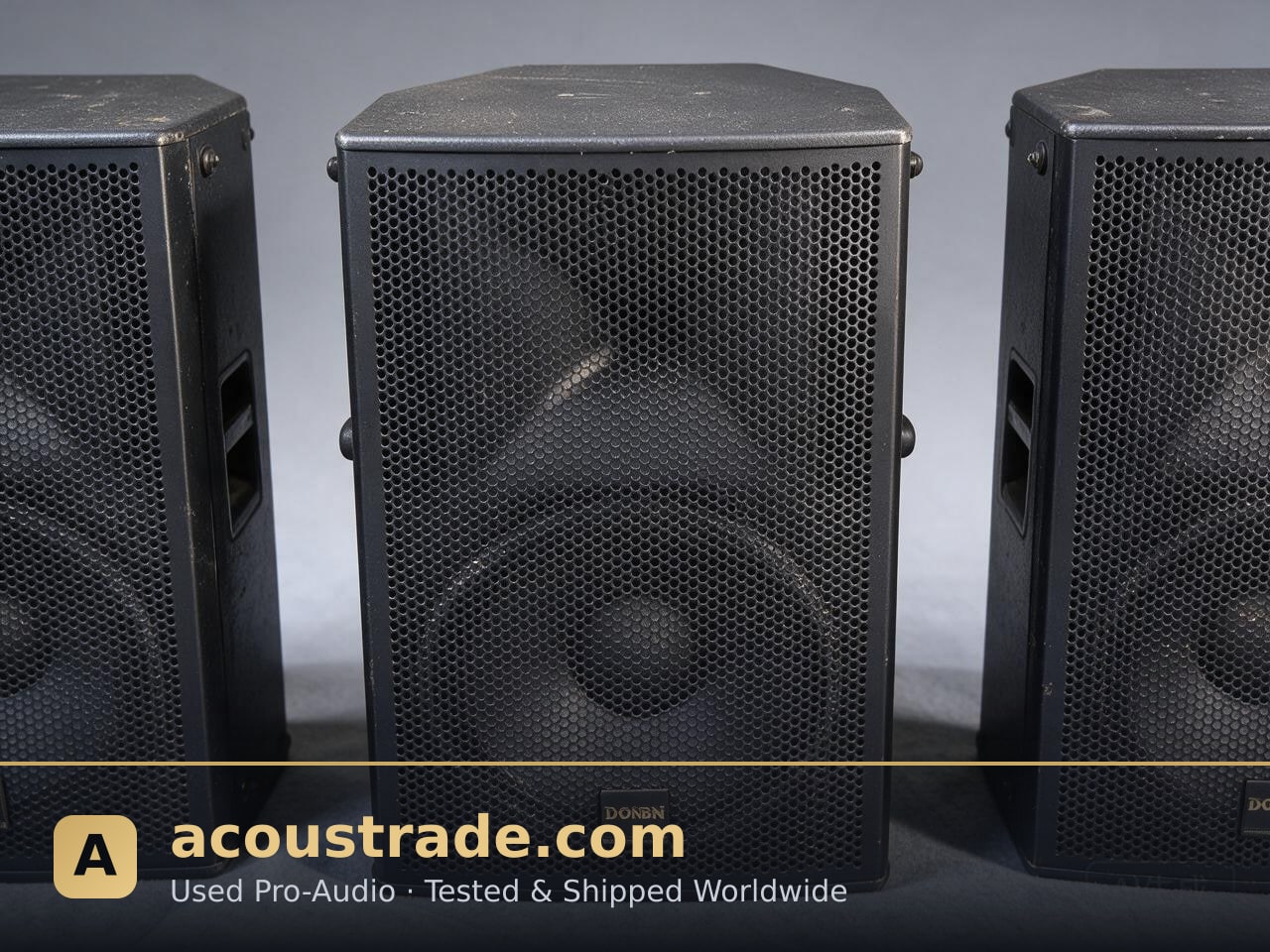
- Point-source speakers – Ideal for smaller rooms, stage monitors, and fill applications. They are easier to set up and often more affordable.
- Subwoofers – Dedicated low-frequency cabinets that add punch to music genres like rock, electronic, and hip-hop. They can be front-loaded, horn-loaded, or cardioid.
Many systems combine a line array main hang with point-source fills and subwoofers for a full-range experience.
Key Factors When Buying Concert Speakers
Before purchasing, evaluate these factors:
- Venue size and acoustics – A 200-capacity club has different needs than a 2,000-seat hall. Consider ceiling height, room shape, and surface materials.
- Coverage pattern – Match the speaker's dispersion to the audience area. Line arrays offer long-throw control; point-source works for wide, shallow rooms.
- Power handling and sensitivity – Higher sensitivity means more output per watt. Ensure amplifiers can deliver the required power.
- Portability and rigging – Touring acts need lightweight, flyable cabinets with reliable rigging hardware.
- Budget and total cost of ownership – New gear is expensive; tested used equipment can offer significant savings with proper warranty.
New vs. Used Concert Speakers
Buying used professional audio equipment is common in the live sound industry. Well-maintained speakers from brands like JBL, L-Acoustics, and Electro-Voice can perform like new at a fraction of the cost. The key is to buy from a reputable supplier that tests and certifies each unit.
Acoustrade specializes in tested used concert speakers, including line arrays, point-source speakers, and subwoofers. Each product is inspected and comes with clear condition reports.
Matching Speakers with Amplifiers and Mixers
Concert speakers are only part of the signal chain. Proper amplification and processing are critical:
- Amplifiers – Choose amplifiers that match the speaker's power rating and impedance. Consider DSP-enabled amps for preset loading.
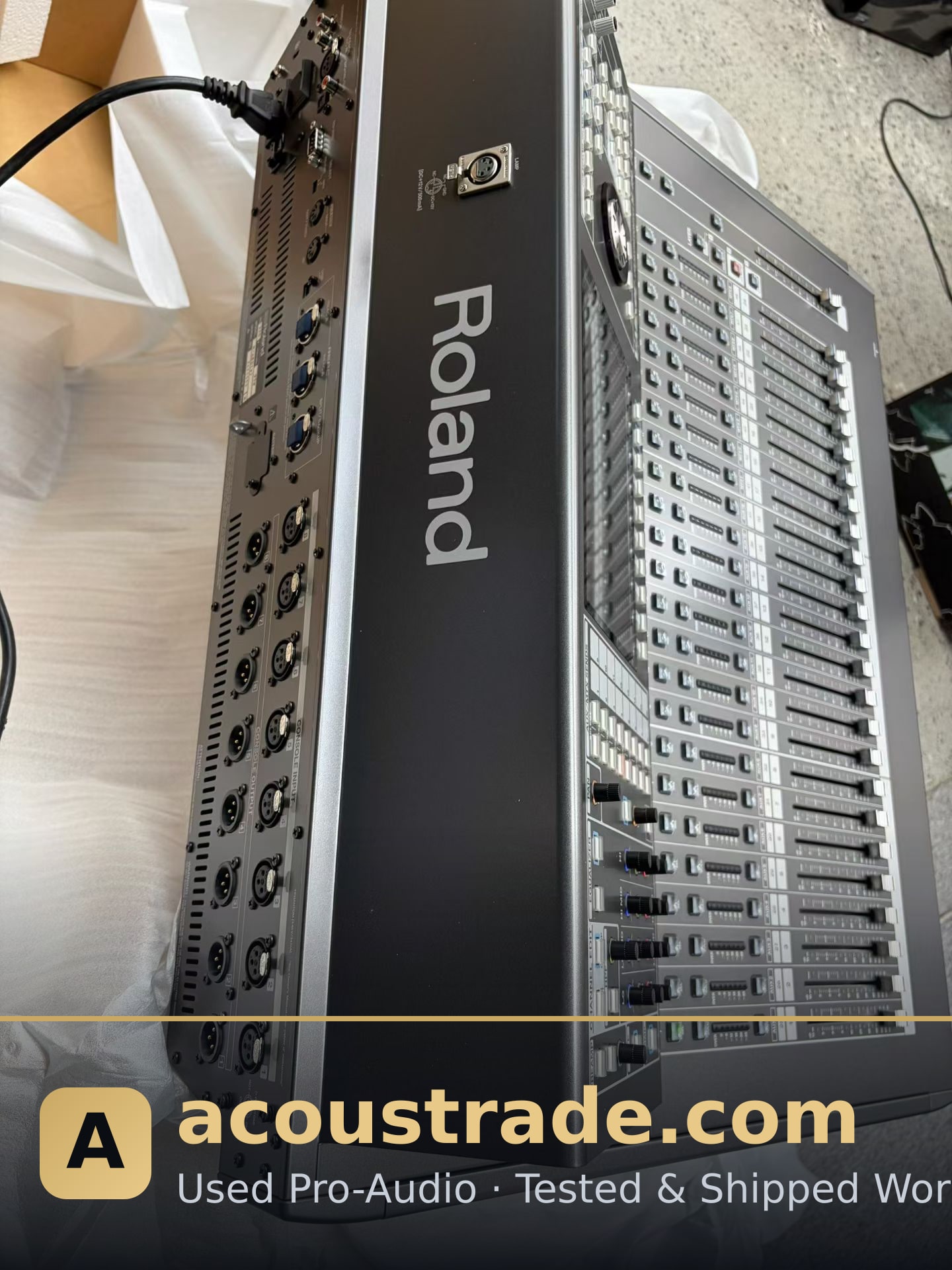
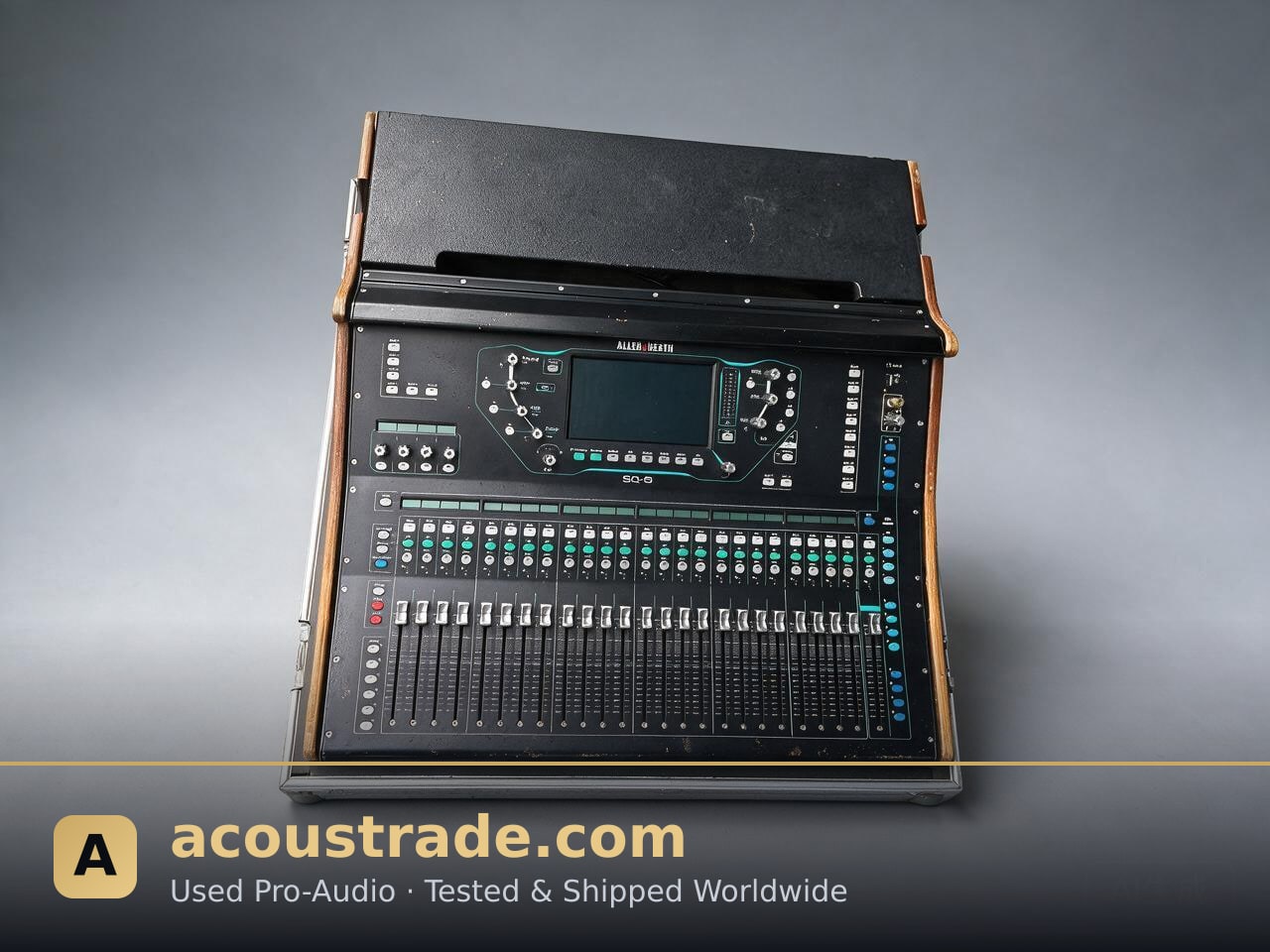
- Mixers – Digital mixers offer scene recall and built-in effects, which are useful for multi-act events.
- Processing – System processors handle crossover, EQ, and delay for optimal performance.
Acoustrade also supplies amplifiers and mixers to complete your setup.
FAQ
What is the difference between line array and point-source concert speakers?
Line arrays are designed for long-throw coverage in large venues, with multiple cabinets stacked vertically to control dispersion. Point-source speakers are single cabinets that cover a wider area at shorter distances, making them suitable for smaller rooms and monitors.
How many speakers do I need for a concert venue?
The number depends on venue size, ceiling height, and desired SPL. A common approach is to use a line array of 6–12 cabinets per side for mid-sized halls, plus subwoofers. Consult an acoustician or system designer for precise calculations.
Are used concert speakers reliable?
Yes, when purchased from a reputable dealer that tests and certifies equipment. Look for suppliers that provide condition reports, warranties, and return policies. Acoustrade tests all used gear before listing.
Can I mix different brands of concert speakers?
It is possible, but not ideal. Different brands have distinct voicing and dispersion characteristics. For best results, use matched components within a system, especially for main hangs.
What should I check when buying used speakers online?
Ask for high-resolution photos, test reports, and serial numbers. Confirm that drivers are original or properly reconed, and check for cabinet damage. Reputable sellers like Acoustrade provide detailed listings and support.