Why the Crown CDi 1800 Fits Karaoke Room Installs
A karaoke room is a demanding little audio environment. You have loud, dynamic vocal peaks, a microphone that sits inches from a singer's mouth, background music that has to stay clear under the vocals, and a room that is often small, reflective and packed with people. The amplifier has to deliver clean power without clipping, run for hours, and stay stable when the room gets hot and busy.
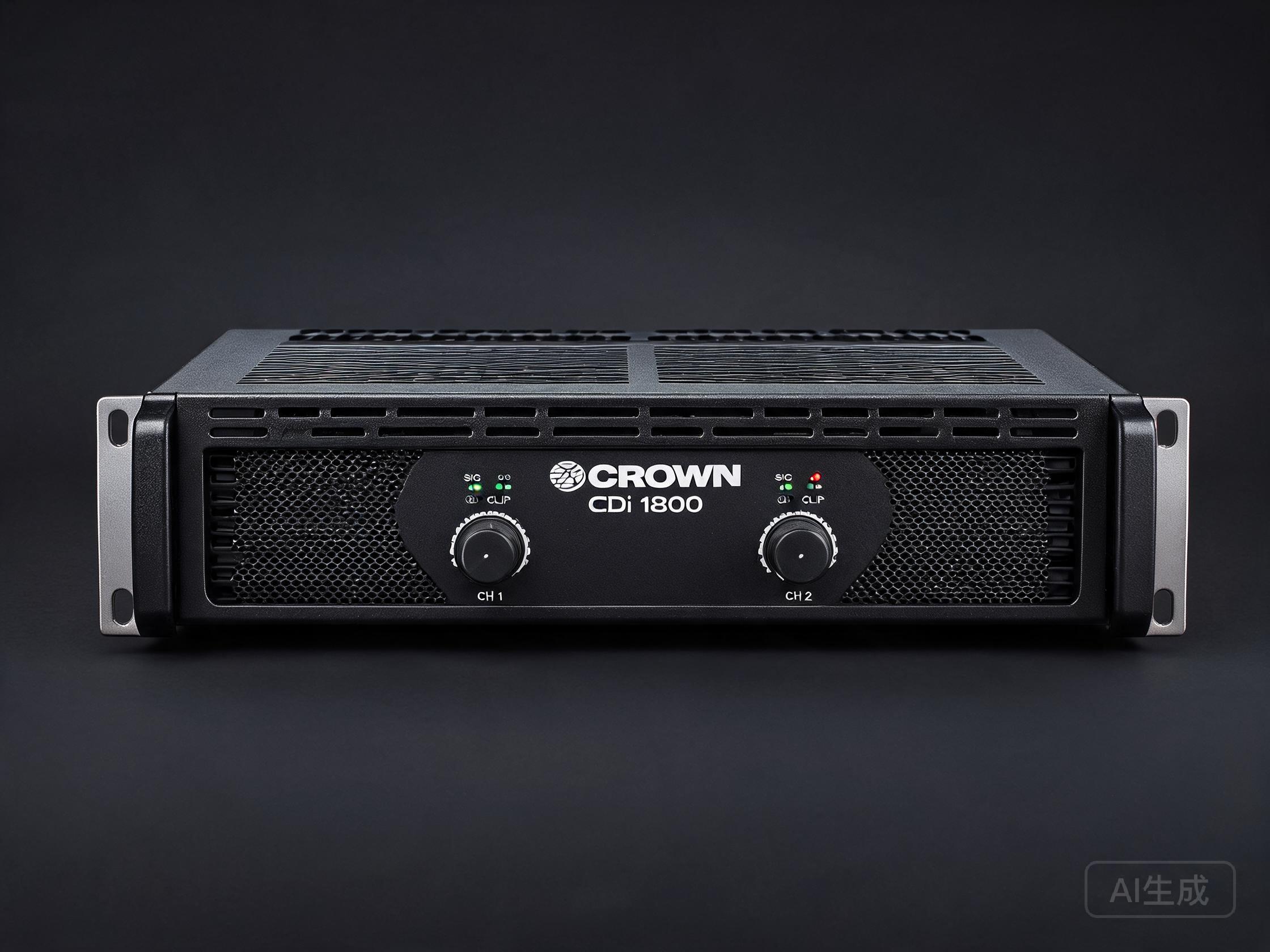
The Crown CDi 1800 is a two-channel, installed-sound amplifier that has become a common choice for exactly this kind of work. It is part of Crown's CDi Series, a line built for fixed installation rather than touring, with the practical features integrators want: solid continuous power per channel, onboard DSP on many versions, and a rugged chassis designed to live in a rack closet. For a KTV room install, it is a sensible, well-understood workhorse rather than an exotic one-off.
This guide explains where the CDi 1800 fits in a karaoke build, how to size and wire it, and what to check before you buy tested used units from a supplier like Acoustrade.
Where the CDi 1800 Sits in a KTV Signal Chain
In a typical karaoke room, the signal path looks like this:
- Sources: karaoke player or media PC, plus wired or wireless microphones
- Processing: microphone mixer, vocal effects, and a system processor or the amplifier's own DSP
- Amplification: one or more power amplifiers, including the CDi 1800
- Output: main speakers, often plus a subwoofer and sometimes fill speakers
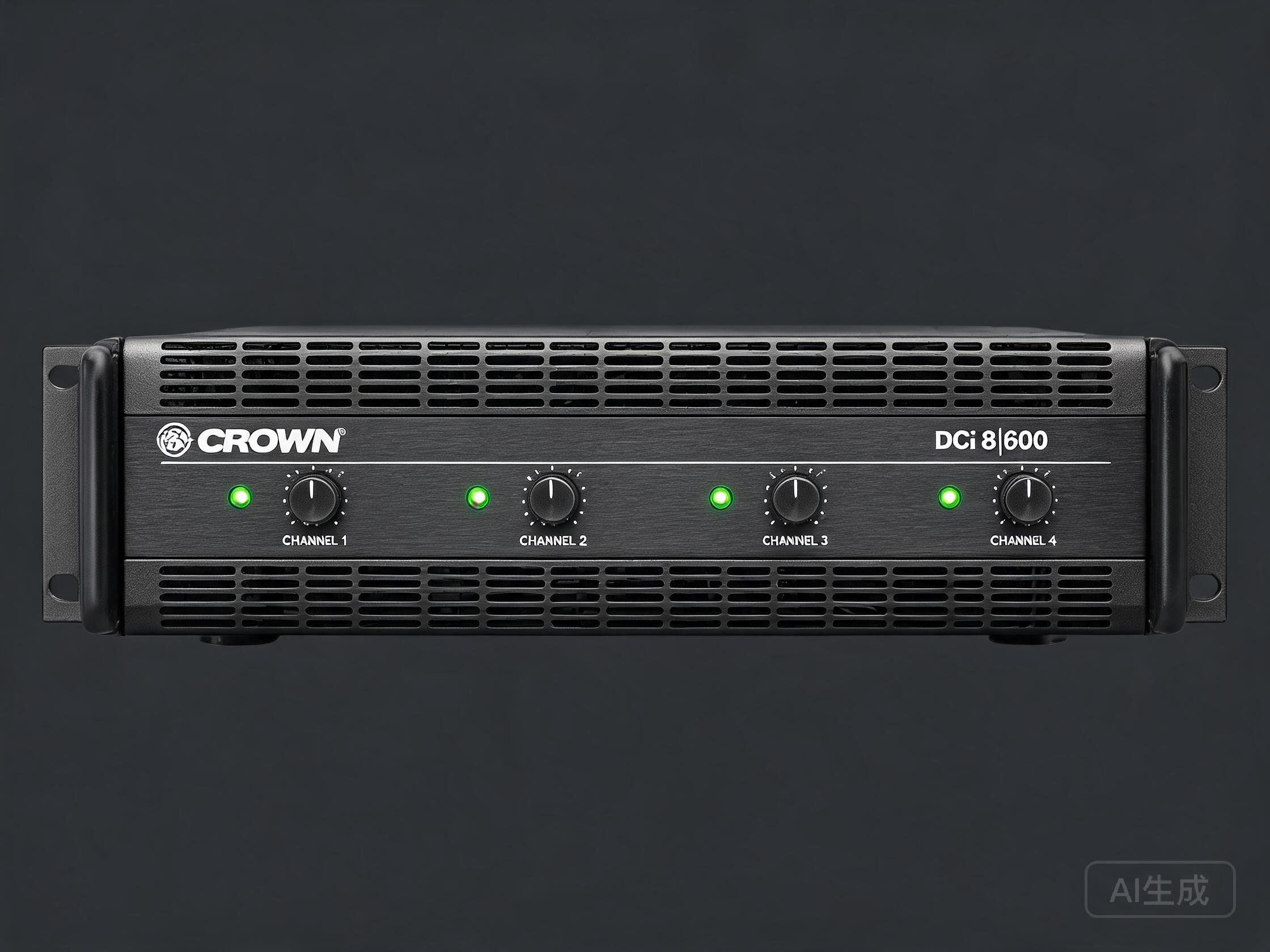
The CDi 1800 is a two-channel amp, so it is most often used to drive a pair of main speakers, or to drive one main speaker plus a subwoofer in a bi-amp or bridged setup. In larger rooms or multi-room venues, integrators commonly use several units, or combine the CDi 1800 with other amplifiers from the same family.
Because it is an installation amplifier, it is usually mounted in a rack in a utility closet or behind the bar rather than in the room itself. That keeps fan noise away from singers and protects the amp from spills and knocks.
Sizing the CDi 1800 for a Karaoke Room
The CDi 1800 delivers a healthy amount of power per channel, which makes it flexible across room sizes. The key is to match it to your speakers rather than to a single "best" number.
A practical sizing approach:
- Check speaker power handling. Aim for an amplifier that can deliver at least the speaker's continuous (RMS) rating, with some headroom for peaks. Karaoke vocals are peaky, so headroom matters.
- Match impedance. Confirm the speaker's nominal impedance and how many speakers you plan to run per channel. The CDi 1800 is comfortable driving typical installed-speaker loads, but always verify the minimum impedance the amp is rated for.
- Plan for a subwoofer. If the room needs low-end energy for music playback, decide early whether the sub gets its own channel, a bridged CDi 1800, or a separate amplifier.
- Leave room to grow. A karaoke room can be re-tuned or expanded. Slightly more amplifier than the minimum is usually cheaper than replacing it later.
If you are unsure, describe the room size, speaker models and how loud the venue runs, and a supplier can help you match amplifier to speakers.
Installation and Wiring Notes
A clean install is what keeps a karaoke room reliable night after night. A few points that matter with the CDi 1800:
- Rack and ventilation. Give the amp breathing room above and below, and keep the rack closet ventilated. Installation amps are built to run continuously, but heat still shortens life.
- Inputs and gain structure. Set gain so the system reaches full output with the mixer near its normal operating level, not pinned. This reduces noise and protects the speakers.
- Protection and limiting. Use the amplifier's built-in protection and, where available, its DSP limiting to catch runaway feedback and sudden peaks from a dropped microphone.
- Speaker wiring. Use appropriate gauge cable for the run length, keep power and signal cables separated, and label every channel so the next technician can trace it.
- Feedback control. Karaoke rooms are prone to feedback. Position microphones and speakers carefully, and use EQ or the amp's DSP to notch problem frequencies.
Why Buyers Choose the CDi 1800 — and Why Tested Used Units Make Sense
Buyers choose the Crown CDi 1800 for karaoke and KTV installs because it is a known quantity: two channels of solid installed-sound power, a rugged chassis, and a feature set that suits fixed rooms. Integrators like it because it is straightforward to specify and service, and venue owners like it because it does the job without drama.
For many projects, tested used units are the practical choice. A karaoke venue may need several amplifiers across multiple rooms, and buying tested second-hand equipment stretches the budget without sacrificing the brand and model the design calls for. The important word is tested: buy from a supplier that checks power output, channel balance, protection circuits and cosmetic condition, and that stands behind what it ships.
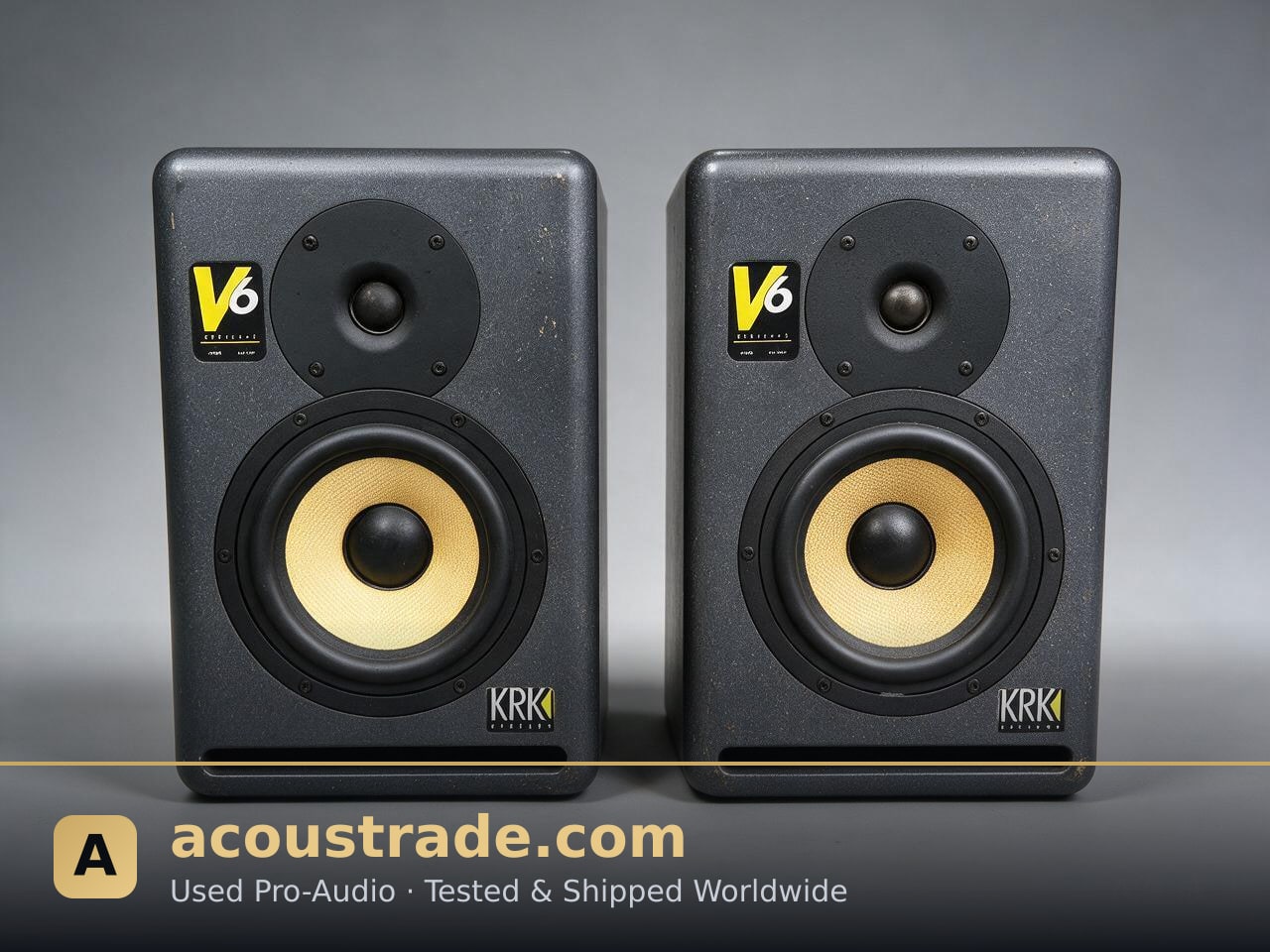
Acoustrade supplies tested used pro-audio and KTV equipment, including power amplifiers, speakers and line arrays, mixers and microphones. If you are building out several karaoke rooms, you can source the whole signal chain in one place and keep the amplifier model consistent across rooms.
FAQ
Is the Crown CDi 1800 a good amplifier for karaoke rooms?
Yes. It is a two-channel installation amplifier with enough power for typical karaoke room speakers, a rugged chassis and practical protection features. It is a common, well-understood choice for fixed KTV installs.
How many karaoke rooms can one CDi 1800 power?
Usually one room, driving a pair of main speakers (or a main plus a subwoofer). For multiple rooms, plan one amplifier per room or per zone, depending on speaker count and power needs.
Can I use a used Crown CDi 1800 for a commercial install?
You can, provided it has been properly tested. Ask the supplier to confirm power output on both channels, check the protection circuits and confirm cosmetic and connector condition before shipping.
What should I check before buying a used CDi 1800?
Confirm both channels work at full output, listen for distortion or fan noise, check input and output connectors, and verify the unit matches the model and version you specified. Buy from a supplier that offers testing and support.
What else do I need for a complete karaoke room audio system?
Besides the amplifier, you need main speakers, a subwoofer if the room needs low end, a microphone mixer with vocal effects, microphones, and a karaoke source. Acoustrade can supply these categories together so the system is matched.