Crown DCI vs CDI: Two Install Amp Families, Two Different Jobs
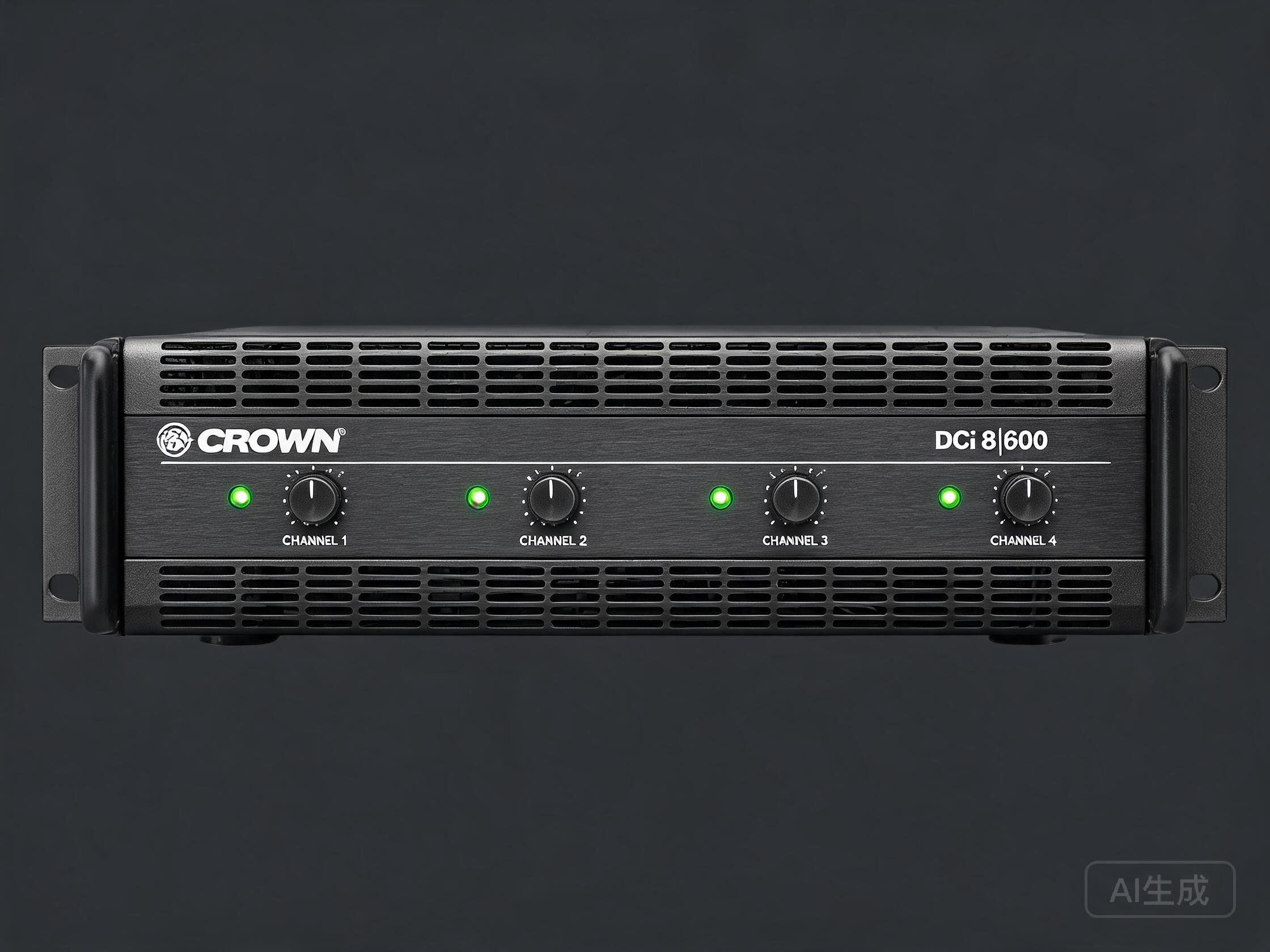
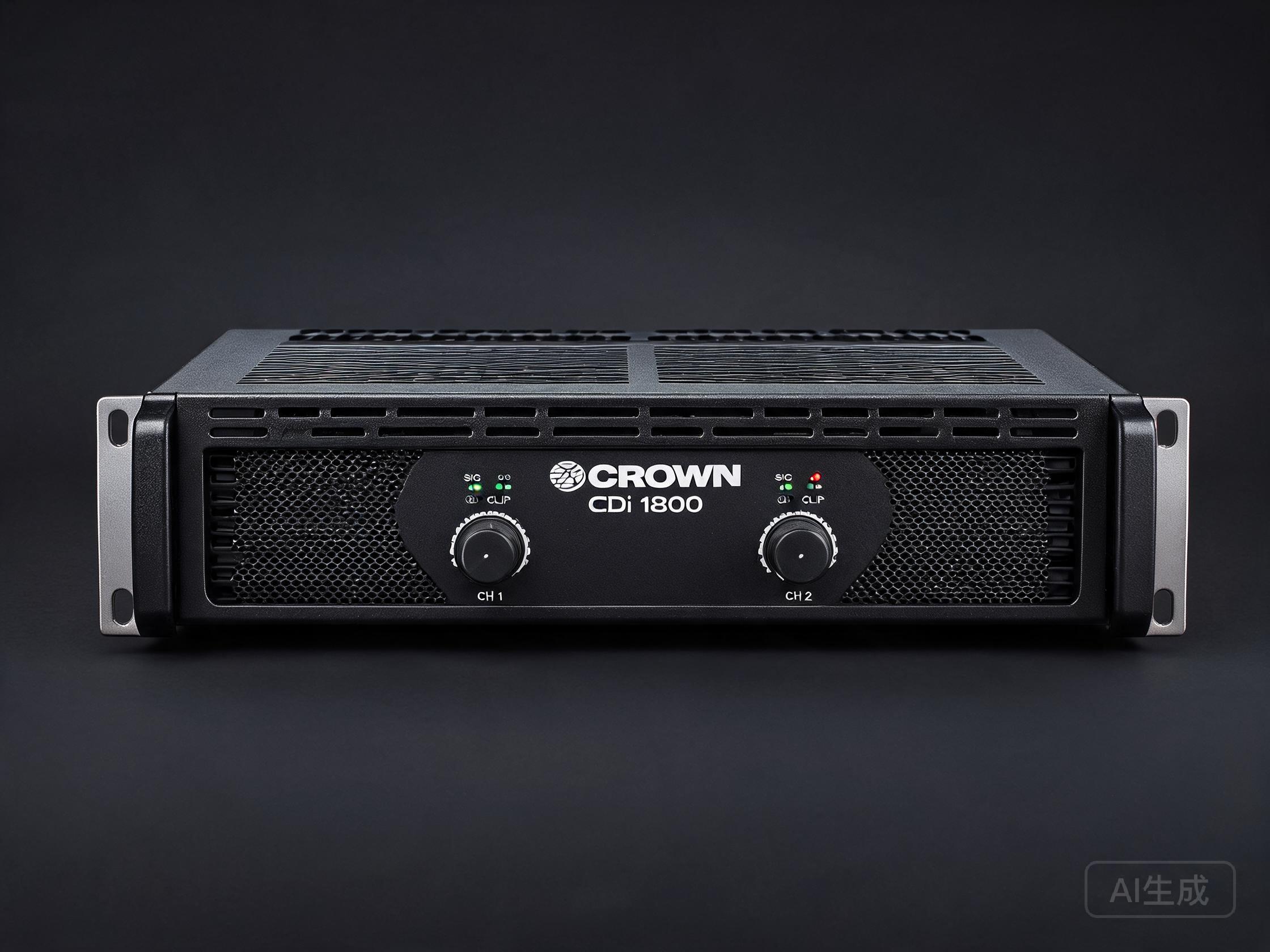
Crown's DCi and CDi series are both built for installed sound, but they are not interchangeable. The DCi line is the more advanced, network-ready platform aimed at larger or more demanding systems. The CDi line is a simpler, cost-focused workhorse for straightforward distributed audio. Choosing between them comes down to how much DSP, control and power flexibility your venue actually needs.
This guide compares the two families on the points that matter for integrators and venue owners: processing, networking, channel count, power sharing and budget. It is written for people specifying systems for houses of worship, restaurants, retail, hotels, conference rooms and small performance spaces.
Core Differences at a Glance
- Processing: DCi models typically include onboard DSP with configurable input and output processing; CDi models are more basic, with limited or no full DSP depending on the variant.
- Networking and control: DCi is designed around networked control and monitoring (for example via HiQnet-style software ecosystems), while CDi is generally configured locally and is less network-centric.
- Power and channel flexibility: DCi is known for high channel counts and flexible power allocation across channels; CDi focuses on conventional multi-channel output at accessible price points.
- Target systems: DCi suits zoned, monitored or mission-critical installs; CDi suits simple distributed background and foreground music.
- Cost: CDi is the lower-cost entry; DCi carries a premium for its processing and networking.
Exact specifications vary by model and generation, so always confirm against the datasheet for the specific unit you are specifying or buying.
When the DCI Series Makes Sense
Choose DCi when the system needs intelligence, not just amplification.
- Multi-zone venues where each zone needs its own level, EQ or limiting without adding external processors.
- Monitored systems such as hotels, campuses or transport hubs where remote status and fault reporting matter.
- High channel counts where one chassis can drive many loudspeaker lines and reduce rack space.
- Flexible power allocation, useful when some zones need more headroom than others.
- Integration with networked audio and control across a building.
If you are building a system that will be tuned, monitored and possibly expanded, DCi usually pays back in reduced outboard gear and simpler servicing.
When the CDI Series Makes Sense
CDi is the right call when the job is simple and the budget is tight.
- Background and foreground music in cafés, shops and small restaurants.
- Single-room or few-zone systems that do not need networked monitoring.
- Retrofit projects replacing older analog amps where basic reliability is the priority.
- Tight-budget tenders where DSP is handled elsewhere in the signal chain.
CDi keeps the rack simple and the cost predictable, which matters on repetitive rollouts across multiple similar sites.
Buying Used Crown Amps for Install: What to Check
Both families are common on the secondary market, and tested used units can deliver strong value for venue projects. Before buying, confirm:
- Model and generation, since features differ across revisions.
- Channel configuration and rated power against your loudspeaker loads.
- DSP and networking modules are present and functional if the model relies on them.
- Cooling and fan condition, important for racks in warm rooms.
- Test report covering power-up, channel output and any network or DSP functions.
Acoustrade supplies tested used power amplifiers alongside matching loudspeakers, mixers and microphones, so you can specify a complete rack from one source. If you are comparing options across brands, our amplifier category is a good starting point.
Matching the Amp to the Venue
A practical rule: if the venue needs per-zone tuning, remote monitoring or many channels in one box, lean toward DCi. If it needs dependable amplification for a handful of zones and the processing lives elsewhere, CDi is the efficient choice. Mixing both in one project is common — DCi for critical zones, CDi for simple ones.
FAQ
Is Crown DCi better than CDi?
Not universally. DCi offers more DSP, networking and power flexibility, which is better for complex or monitored systems. CDi is simpler and cheaper, which is better for basic distributed audio.
Can I use a CDi amplifier for a multi-zone venue?
Yes, for a modest number of zones with basic level control. If you need per-zone DSP or remote monitoring, DCi is the better fit.
Do DCi amplifiers require network setup?
Many DCi models are designed for networked control and monitoring, so plan for configuration and IT coordination. Simpler setups can still run them in a more basic mode depending on the model.
Is buying used Crown amplifiers safe for install projects?
It can be, provided the unit is tested and comes with a clear report on channels, DSP and networking functions. Buy from a supplier that tests and documents condition.
Which series holds value better on the used market?
DCi models generally retain more value because of their processing and networking features, but condition and generation matter as much as the series.