Where to Buy Tested Used Pro Audio and KTV Equipment
If you run a venue, a KTV room, a club or a live stage, buying new pro audio gear can eat a large part of your budget. Tested used equipment lets you get more output per dollar, but the real question is where to buy it safely. This guide explains the main buying channels, what to check before you pay, and how to avoid the most common traps.
The main places to buy used pro audio gear
1. Specialist used-equipment suppliers
Dedicated resellers that test, grade and document gear are the safest route for integrators and venue investors. A good supplier will:
- Test amplifiers, speakers and mixers before listing them
- Describe cosmetic and functional condition honestly
- Provide photos of the actual unit, not stock images
- Offer packing and export documentation for international shipping
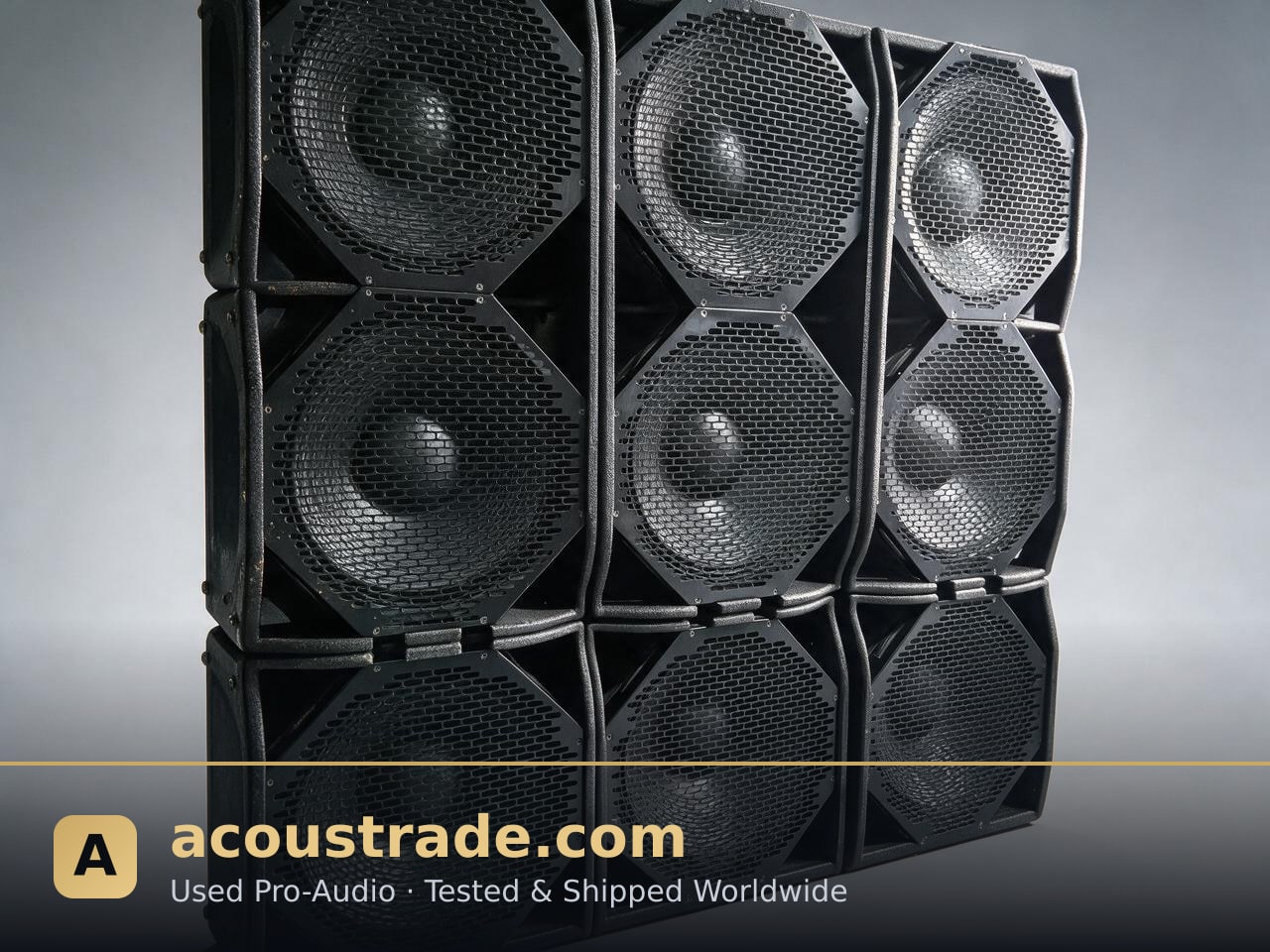
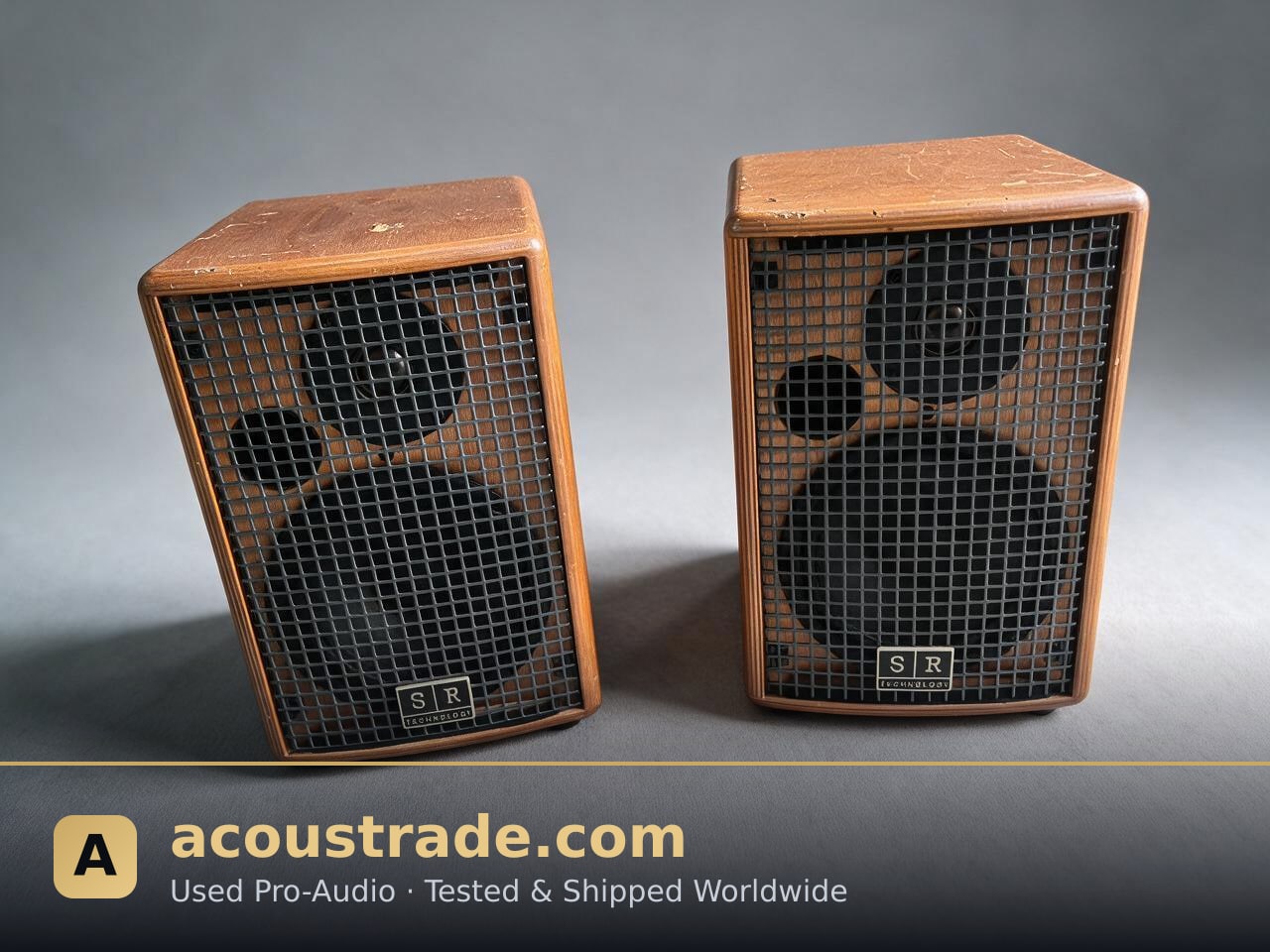
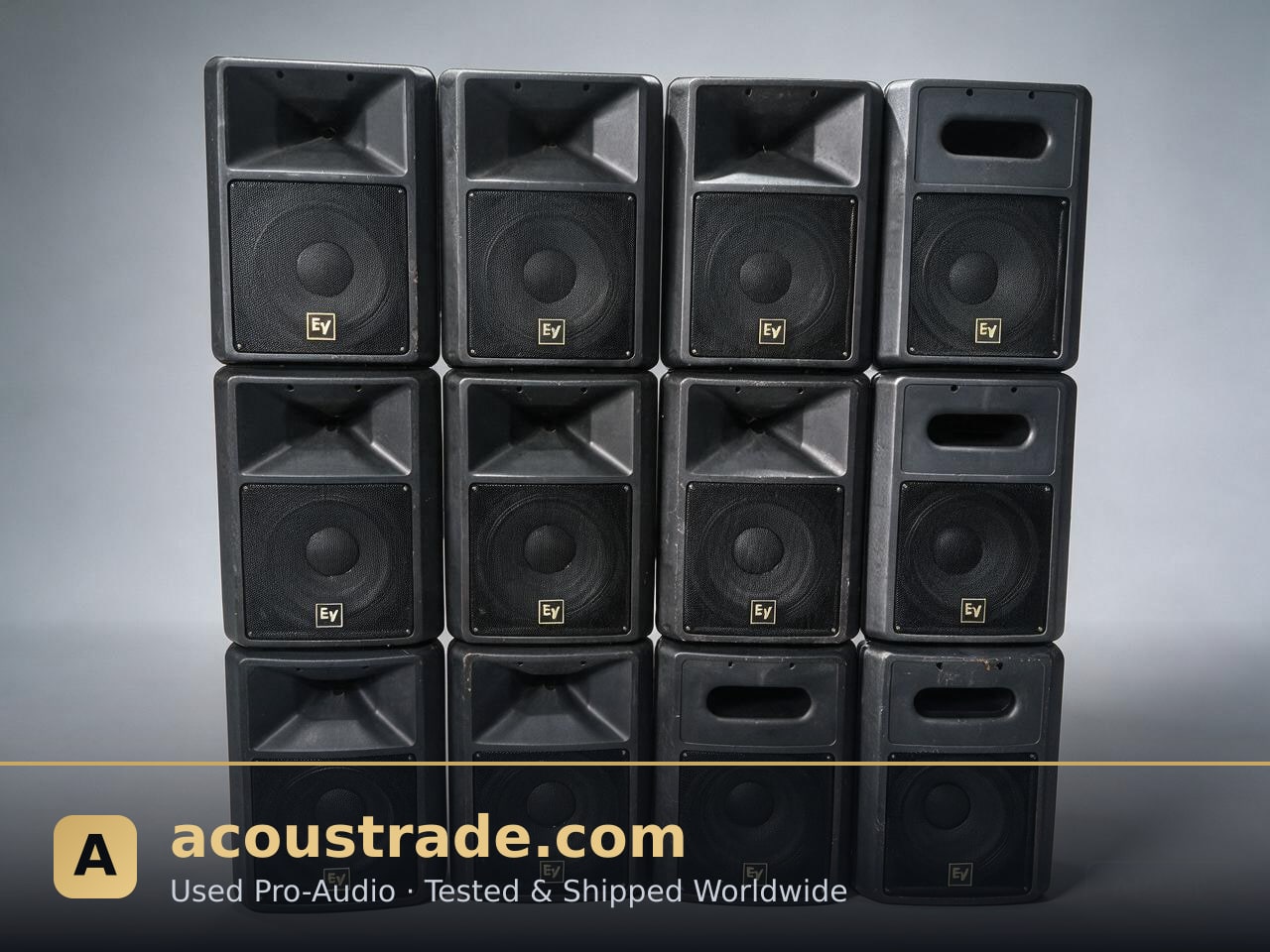
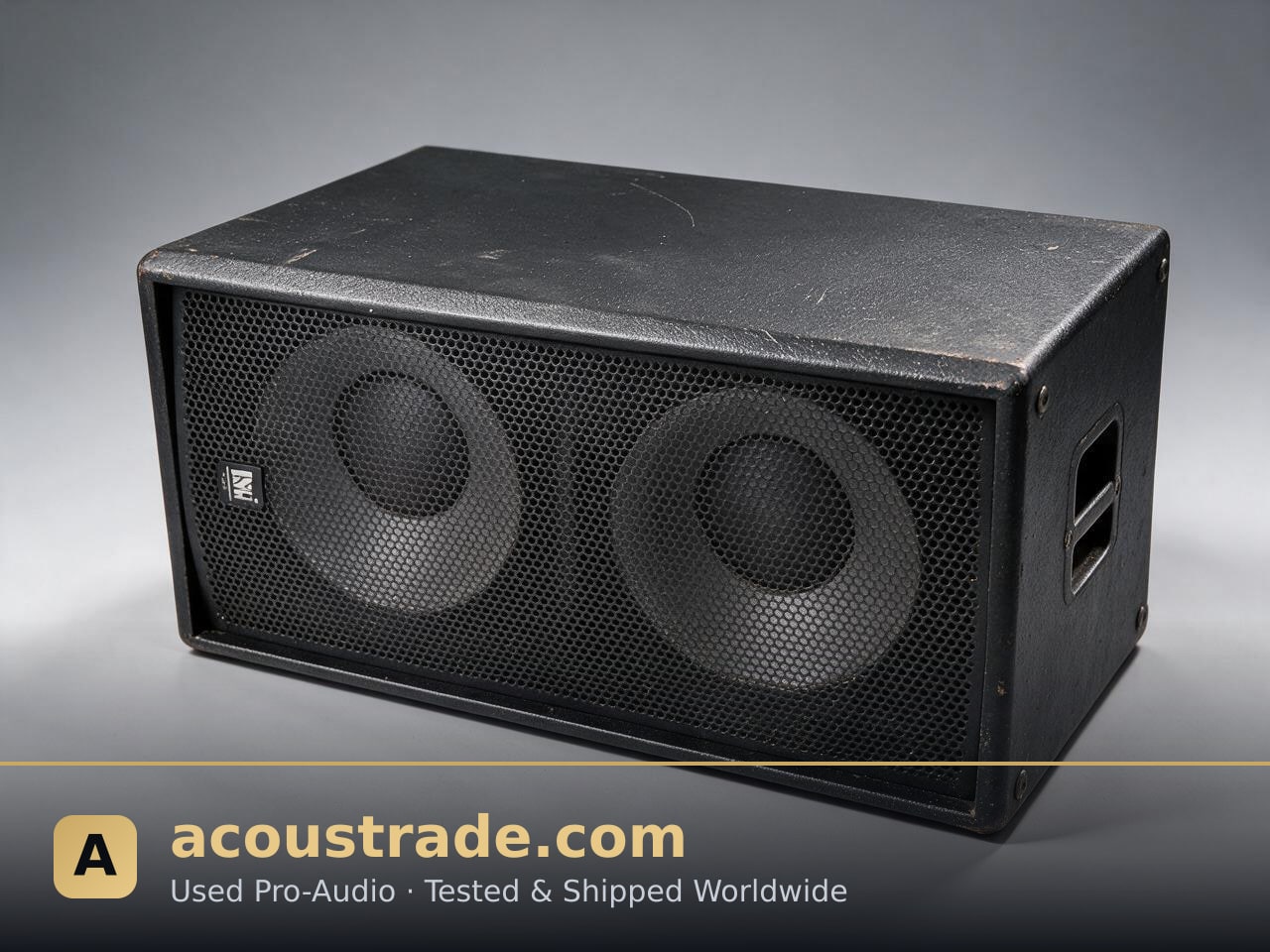
Acoustrade, for example, focuses on tested used power amplifiers, speakers, line arrays, mixers and microphones for overseas venues and AV integrators.
2. Manufacturer refurbished programs
Some brands sell refurbished units directly or through authorized partners. This is reliable but usually limited to that brand, and stock is unpredictable.
3. Auction houses and liquidation sales
Venue closures, hotel refits and tour-end sell-offs often dump large lots at low prices. The risk is that you buy untested gear with no history. Only bid if you can inspect the units or accept the risk of repairs.
4. Online marketplaces and classifieds
Peer-to-peer platforms have the widest selection and the widest range of quality. Good for single items and local pickup; weak on testing, warranty and export support.
5. Local rental companies and integrators
Rental fleets rotate gear regularly. Buying ex-rental equipment means it was maintained, but it may also be heavily used. Ask for service records.
What to check before you buy
- Test reports: ask what was actually tested (channels, drivers, DSP, fan noise).
- Condition grade: confirm whether the grade refers to cosmetics, function, or both.
- Compatibility: check impedance, power ratings and connector types against your existing system.
- Documentation: manuals, firmware versions and wiring diagrams reduce setup time.
- Shipping and duties: confirm who handles export packing, freight and customs.
- Spare parts: for older models, check that replacement drivers or modules are still available.
Buying for KTV rooms vs. live venues
KTV rooms need reliable vocal microphones, compact mixers and speakers that handle long daily hours. Live venues and clubs put more stress on line arrays and high-power amplifiers. Match the source to the use: a supplier with KTV experience will understand room-size matching, while a live-sound specialist will focus on coverage and headroom.
Red flags when sourcing used gear
- Prices far below market with no explanation
- No photos of the actual serial number or rear panel
- Refusal to run a test or send a short video of the unit powered on
- Vague answers about origin, age or previous use
- No clear return policy for dead-on-arrival items
FAQ
Where is the safest place to buy used pro audio equipment?
Specialist used-equipment suppliers that test and document gear are usually the safest option, especially for international buyers who need export packing and clear condition reports.
Can I buy used line arrays and amplifiers for export?
Yes. Many suppliers ship internationally. Confirm voltage configuration, plug types, packing standards and customs documentation before ordering.
Is used KTV equipment reliable for a new venue?
Tested used KTV gear can be reliable and cost-effective, provided the microphones, mixers and speakers are checked and matched to your room sizes.
How do I verify a seller before paying?
Ask for test reports, real photos, serial numbers, a video of the unit running, and written terms for returns and shipping.
Should I buy from auctions to save money?
Auctions can save money but usually come without testing or support. Budget for repairs and only buy lots you can inspect or afford to risk.