What to look for before you buy (the 5 checks that matter)
When sourcing used wireless microphones in bulk, the difference between a reliable inventory and a box of problems comes down to five checks. These are the same checks a rental company or integrator should run before committing to a pallet.
- Frequency band and local legality. Wireless microphones operate in licensed and unlicensed spectrum that varies by country. UHF systems in the 470–698 MHz range are common, but specific blocks may be reserved for TV broadcast or mobile services in your market. Always confirm which frequency ranges are legal to operate in your country before buying. A system that is perfect in one region can be unusable in another.
- Transmitter and receiver compatibility. Shure, Sennheiser, Audio-Technica and others have multiple product generations. A receiver from one series will not work with a transmitter from another. Check model numbers, not just brand names. For example, a Shure BLX2 handheld transmitter pairs with BLX receivers, not with SLX or QLXD systems.
- Battery type and condition. Handheld transmitters typically use AA batteries or proprietary rechargeable packs. If the unit uses a proprietary pack, confirm that replacements are still available and affordable. Battery contacts should be clean, not corroded. Ask the seller how the units were stored.
- Antenna and connector integrity. BNC antenna connectors, diversity antennas and bodypack input jacks are common failure points. Bent or loose connectors can cause dropouts that are hard to diagnose later. Inspect or ask for close-up photos.
- Capsule and grille condition. The microphone capsule is the most delicate part. Denting, moisture damage or a torn grille mesh affects sound and hygiene. For handhelds used in KTV or live vocals, replaceable capsules are a plus because you can refresh them without replacing the whole system.
Condition grading explained (what Grade A/B/C means in practice)
Used audio gear is usually graded by cosmetic and functional condition. Grading is not standardized across sellers, so treat it as a starting point and ask for specifics.
- Grade A. Light wear, fully functional, all original accessories present unless noted. May show minor scuffs. This is the grade you want for client-facing installs or rental fleets where appearance matters.
- Grade B. Visible cosmetic wear — scratches, faded paint, worn grille — but tested and working. Ideal for permanent installs where the unit is not on display, or for backup inventory.
- Grade C. Heavy cosmetic wear or missing accessories. May have been repaired. Suitable for spare parts, non-critical applications, or if you have in-house service capability.
For bulk sourcing, insist on a functional test report or at least a clear statement of what was tested: power-on, RF link, audio path, battery compartment. If a seller cannot describe their testing process, that is a red flag.
Matching wireless microphones to your venue size and use case
Different venues have different demands. Buying the wrong system for the room is more expensive than buying the right one used.
- Small KTV rooms and cafés (under 100 m²). A single or dual handheld system with a stable UHF link is enough. Range of 30–60 m is typical. Prioritize ease of use and quick battery changes.
- Bars, restaurants and small clubs (100–300 m²). You may need 2–4 channels simultaneously. Look for systems with multiple compatible frequency groups so you can operate several channels without interference. Diversity receivers help in rooms with reflective surfaces.
- Nightclubs and live venues (300–800 m²). Expect 4–8 channels, possibly mixed handheld and bodypack. Antenna distribution and proper frequency coordination become important. Used professional series systems from Shure, Sennheiser or Audio-Technica are common in this segment.
- Houses of worship, conference halls and auditoriums (over 800 m²). Range, line-of-sight and antenna placement matter. Consider systems with remote antenna options and network control if you need to manage many channels.
For rental companies, standardizing on one or two series reduces spare parts and training overhead. A mixed inventory of many brands looks flexible but costs more to maintain.
Voltage, plugs and certification for Russia / Middle East / South America / Africa
Wireless microphone systems typically include a receiver with a power supply. The transmitter runs on batteries, so the main voltage concern is the receiver and any antenna distribution or charging station.
- Voltage. Many pro audio power supplies are switchable 100–240 V, but not all. Confirm the input voltage range on the label. If it is fixed, you may need a step-up or step-down transformer.
- Plugs. The same receiver may ship with different plug types for different markets. Confirm you are getting the plug type used in your country, or plan to replace cables locally. Common types include Europlug, UK, and various national standards.
- Certification. Electrical products may require local certification or marking before they can be legally sold or used commercially. Rules differ widely. Do not assume a CE or FCC mark is sufficient for your market. Check with your local importer or regulatory authority.
- Radio licensing. In some countries, using wireless microphones requires a license or is restricted to certain frequency bands. This is separate from electrical certification. Confirm with your local telecommunications regulator.
Shipping, customs and MOQ when importing from China
Most used professional audio equipment traded internationally moves through China, the UAE, or Europe. If you are importing in bulk, plan for the following:
- MOQ. Suppliers often set a minimum order quantity per model or per order. For used gear, MOQ can be as low as one pallet or as high as a container. Ask early, because MOQ affects your unit cost.
- Shipping method. Air freight is faster but expensive for heavy gear. Sea freight is economical for large volumes but slower. For urgent projects, consolidate smaller orders.
- Customs and duties. Used electronics may face different duty rates than new. Some countries restrict imports of used electrical goods. Confirm the HS code and any restrictions with your customs broker.
- Documentation. Commercial invoice, packing list and, where required, a certificate of origin. For used goods, some markets ask for a declaration of condition. Keep photos and test records.
- Packing. Wireless systems should be packed to protect antennas and connectors. Ask how the seller packs — loose handhelds in a box will arrive damaged.
Common mistakes buyers make
- Buying on brand name alone. A Shure system from the wrong series will not integrate with your existing receivers. Check model numbers.
- Ignoring frequency legality. A great deal on a system in an illegal band is worthless. Confirm local rules first.
- Skipping the test report. Cosmetic photos do not prove the RF link works. Ask for functional testing details.
- Underestimating battery costs. Proprietary batteries can be expensive and hard to source. Factor this into your total cost.
- Forgetting accessories. Antennas, power supplies, rack ears and pouches are often missing from used lots. List what you need and confirm it is included.
- Not planning for spares. In bulk purchases, set aside a percentage for spares. Even Grade A gear can fail.
A note on current inventory
Acoustrade stocks tested used wireless systems. A representative example from our catalog:
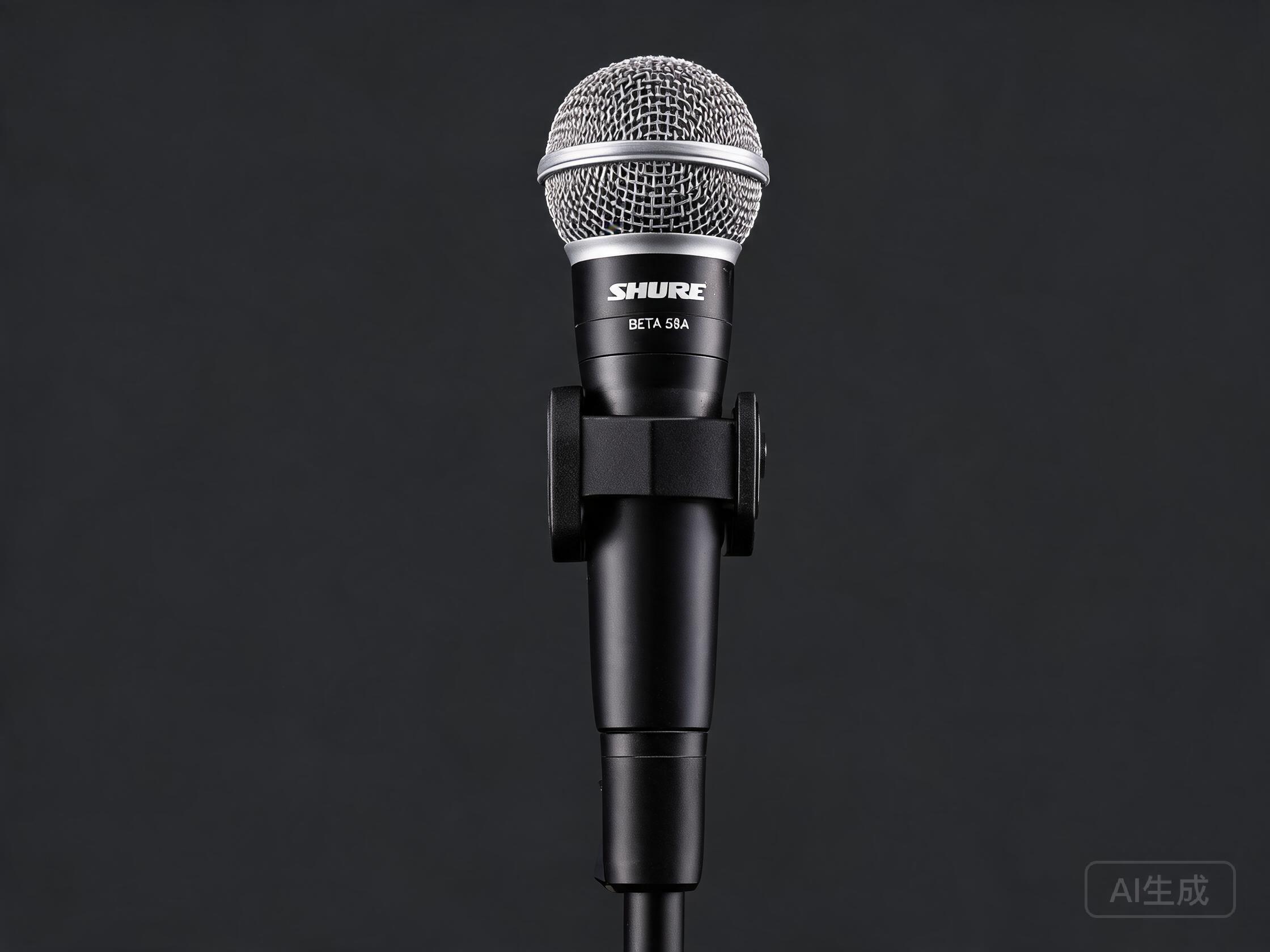
- Shure Beta58A BLX2 — Shure Beta58A UHF Wireless Handheld System, condition A, FOB $220 USD per pair. Type: Wireless Handheld; Band: UHF; Range: 200 ft / 60 m.
This is a typical entry in our wireless microphone category: a known capsule, a stable UHF link, and a condition grade you can plan around. For bulk orders, ask for current stock and test documentation.
When you are ready to compare options, our team can help match systems to your venue size, frequency needs and destination country.