Introduction
Selecting the right speakers for a karaoke room is crucial for delivering an immersive and enjoyable experience. Whether you're outfitting a single room or an entire venue, the speakers you choose directly impact sound quality, durability, and customer satisfaction. This guide will walk you through the key factors to consider when choosing speakers for your karaoke setup.
1. Understand Your Room Size and Acoustics
The size and shape of your karaoke room dictate the speaker requirements. Larger rooms need more powerful speakers to fill the space evenly, while smaller rooms may require less power to avoid overwhelming sound. Consider the following:
- Room dimensions: Measure the length, width, and height to estimate the volume.
- Acoustic treatment: Hard surfaces like glass and tile reflect sound, causing echoes. Soft furnishings absorb sound. Adjust speaker placement and power accordingly.
- Seating arrangement: Ensure speakers are positioned to cover all seating areas without causing feedback.
2. Determine Power Requirements
Karaoke involves dynamic vocals and music, so speakers must handle peaks without distortion. Look for speakers with:
- RMS power rating: Continuous power handling, which indicates how much power the speaker can handle over time.
- Peak power: Maximum power for short bursts.
- Sensitivity: Higher sensitivity (measured in dB) means the speaker produces more sound with less power, which can be efficient for larger rooms.
For a typical small to medium karaoke room (15-30 square meters), a speaker with 100-200W RMS is often sufficient. Larger rooms may need 300W or more. Always match speaker power with amplifier capabilities.
3. Choose the Right Speaker Type
There are several speaker types suitable for karaoke:
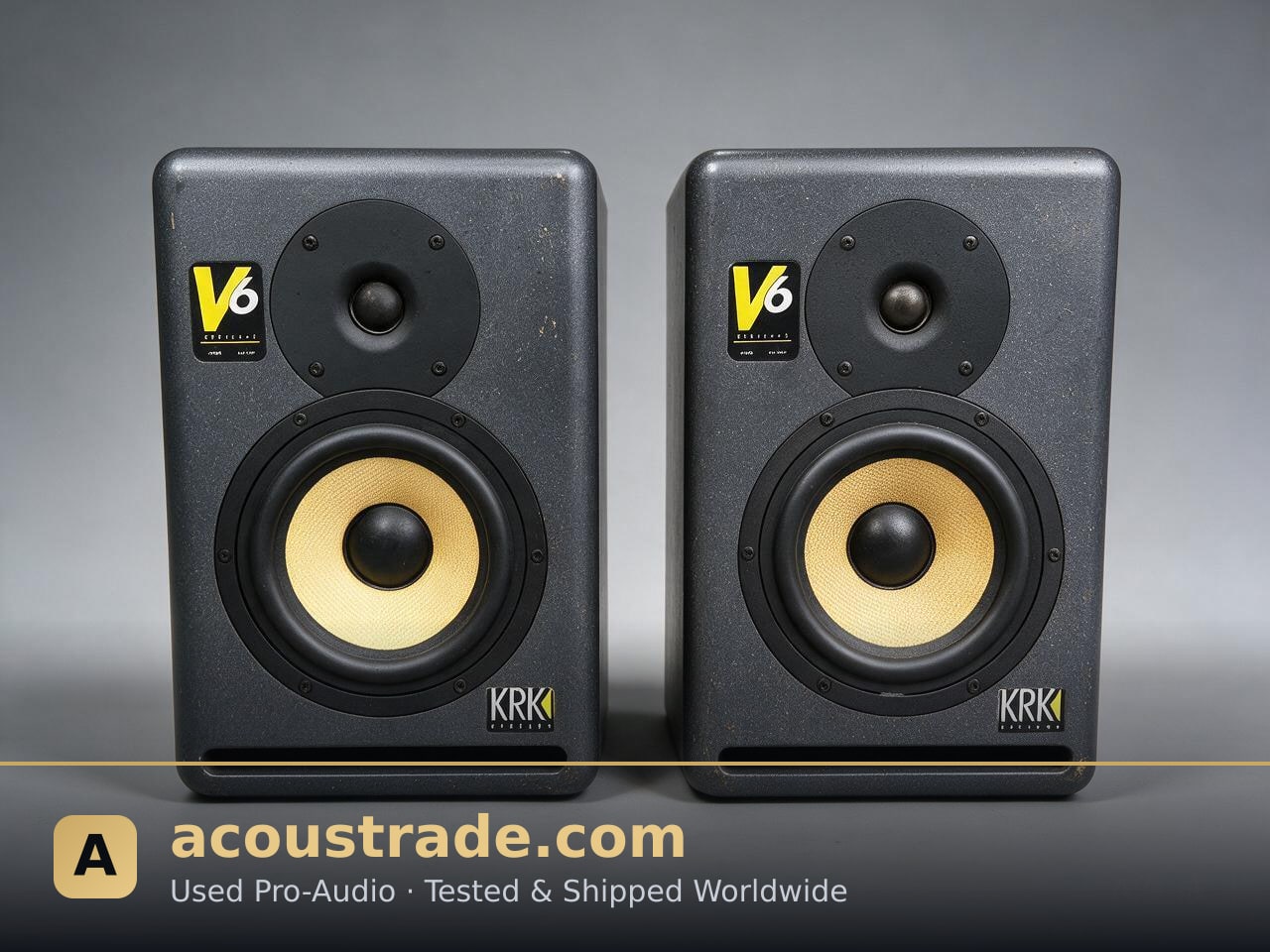
- Bookshelf speakers: Good for small rooms, but may lack bass.
- Floor-standing speakers: Provide fuller sound and deeper bass, ideal for medium to large rooms.
- In-wall/in-ceiling speakers: Save space but require installation and may not deliver the same impact.
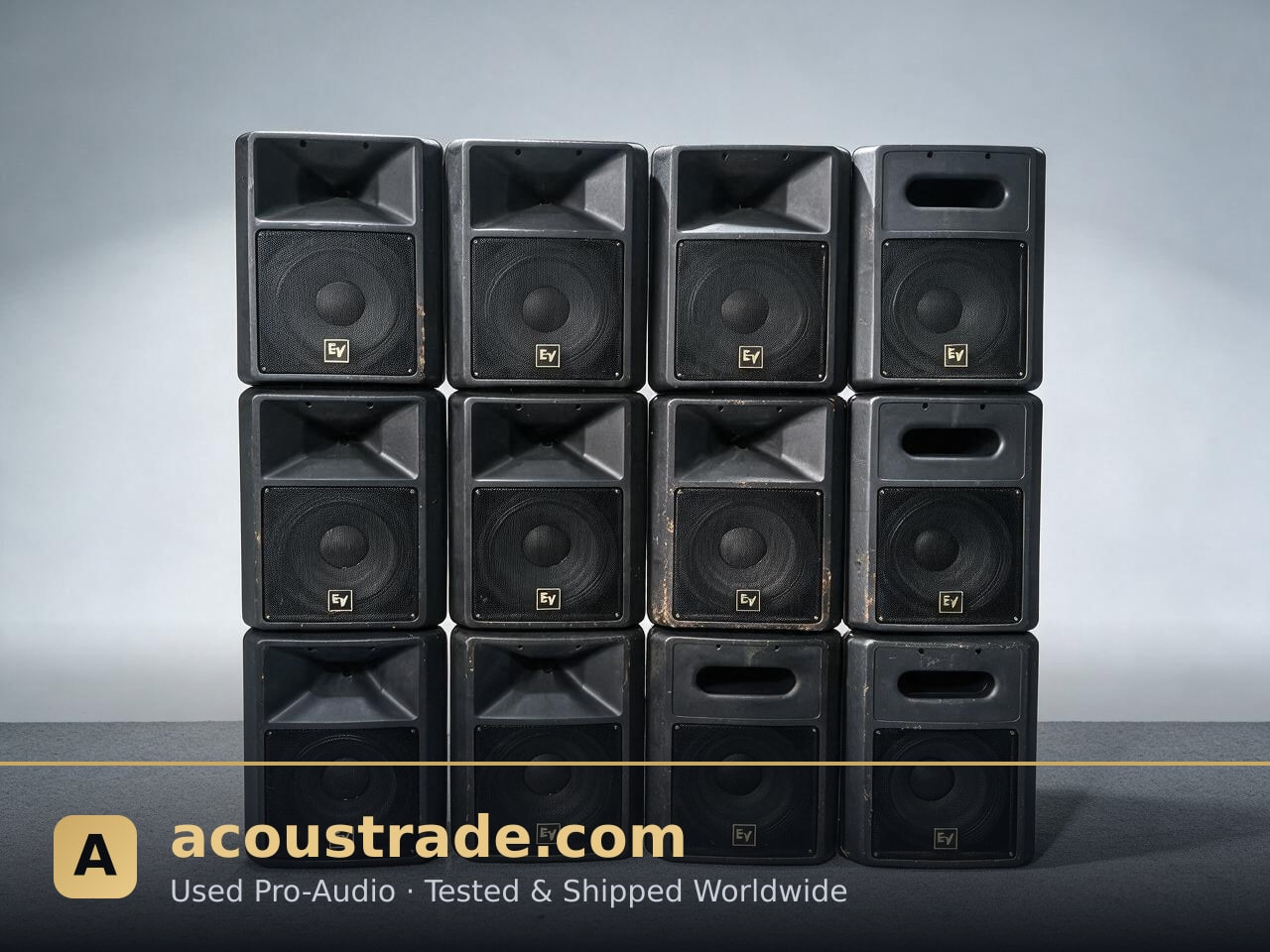
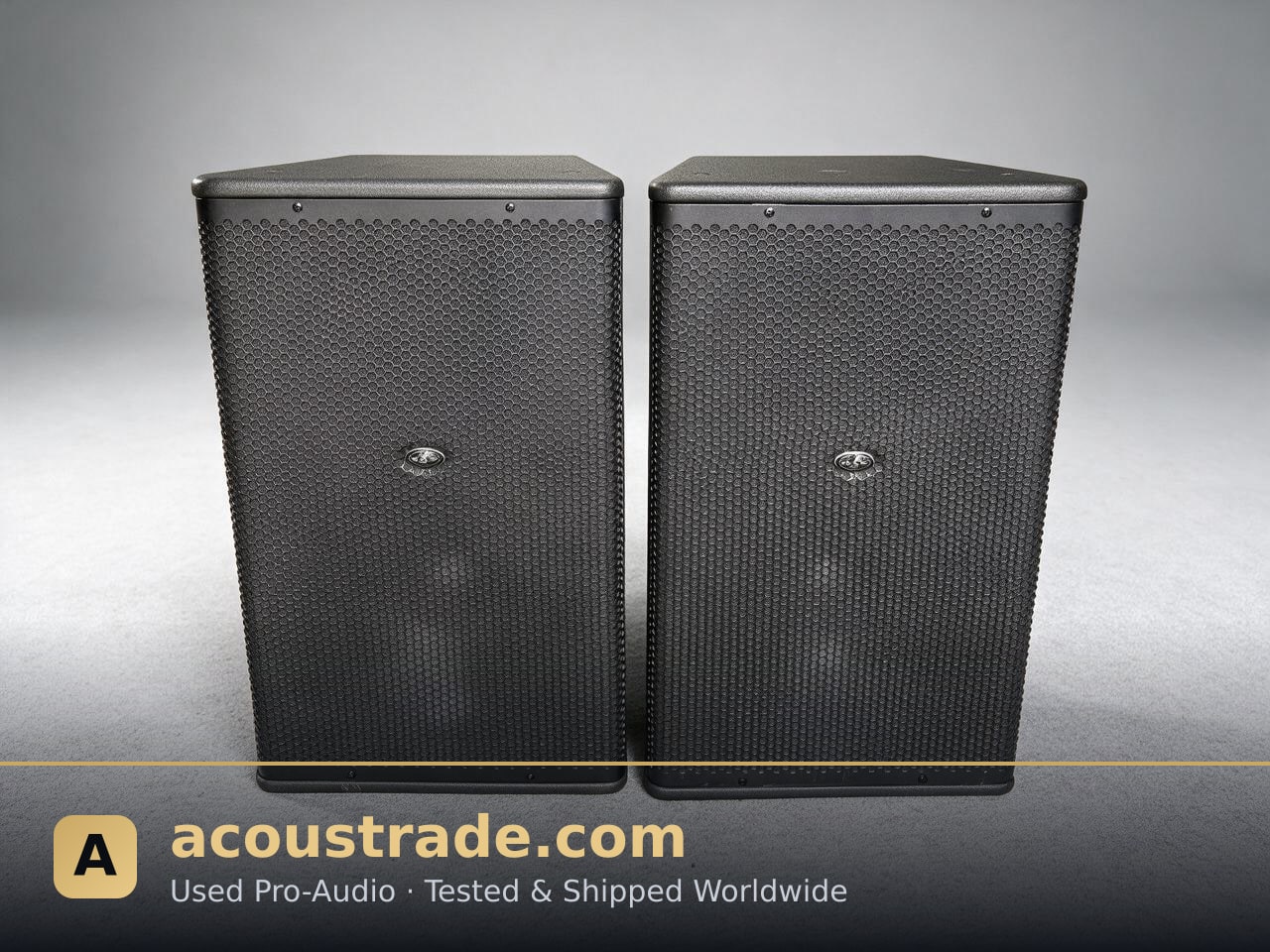
- PA speakers: Designed for live sound, rugged and powerful, often used in commercial karaoke venues.
Consider the aesthetics and installation constraints of your room. For a dedicated karaoke room, floor-standing or PA speakers are popular choices.
4. Prioritize Vocal Clarity and Bass Response
Karaoke is all about the vocals. Speakers should reproduce mid frequencies clearly to ensure lyrics are intelligible. Additionally, adequate bass adds excitement to music. Look for speakers with:
- Well-balanced frequency response: Ideally, a range of 50Hz to 20kHz.
- Dedicated midrange driver: Helps with vocal clarity.
- Subwoofer (optional): For enhanced low-end, consider adding a subwoofer, especially in larger rooms.
5. Durability and Brand Reputation
Karaoke rooms can be high-traffic areas, so speakers should be durable. Look for brands with a reputation for reliability and good warranty support. While Acoustrade offers tested used equipment, ensuring quality and performance, new speakers from reputable brands are also an option. Consider the total cost of ownership, including maintenance and replacement.
6. Test Before You Buy
Whenever possible, test speakers in a similar environment or read reviews from other venue owners. Acoustrade provides detailed specifications and testing reports for used equipment, giving you confidence in your purchase.
Frequently Asked Questions (FAQ)
1. How many speakers do I need for a karaoke room?
For a standard room, two speakers (left and right) are usually sufficient. For larger rooms or better coverage, you might use four speakers or add a subwoofer. The goal is even sound distribution without dead spots.
2. Can I use home theater speakers for karaoke?
Home theater speakers are not designed for continuous high-volume playback and may distort or fail under karaoke use. It's better to choose speakers designed for music and vocal reproduction, such as PA or dedicated karaoke speakers.
3. What is the best speaker brand for karaoke?
There are many reputable brands, including JBL, Bose, and Yamaha. The best choice depends on your budget, room size, and specific requirements. Acoustrade offers tested used equipment from top brands, providing a cost-effective solution.
4. How do I prevent microphone feedback?
Feedback occurs when microphones pick up sound from speakers. Position speakers in front of the microphones, use directional microphones, and consider acoustic treatment. Also, avoid pointing speakers directly at the microphone area.
5. Should I buy new or used speakers?
Both have merits. New speakers come with warranty and latest features, while used speakers offer significant savings. Acoustrade provides tested used speakers with quality assurance, making them a reliable option for budget-conscious buyers.