Quick verdict
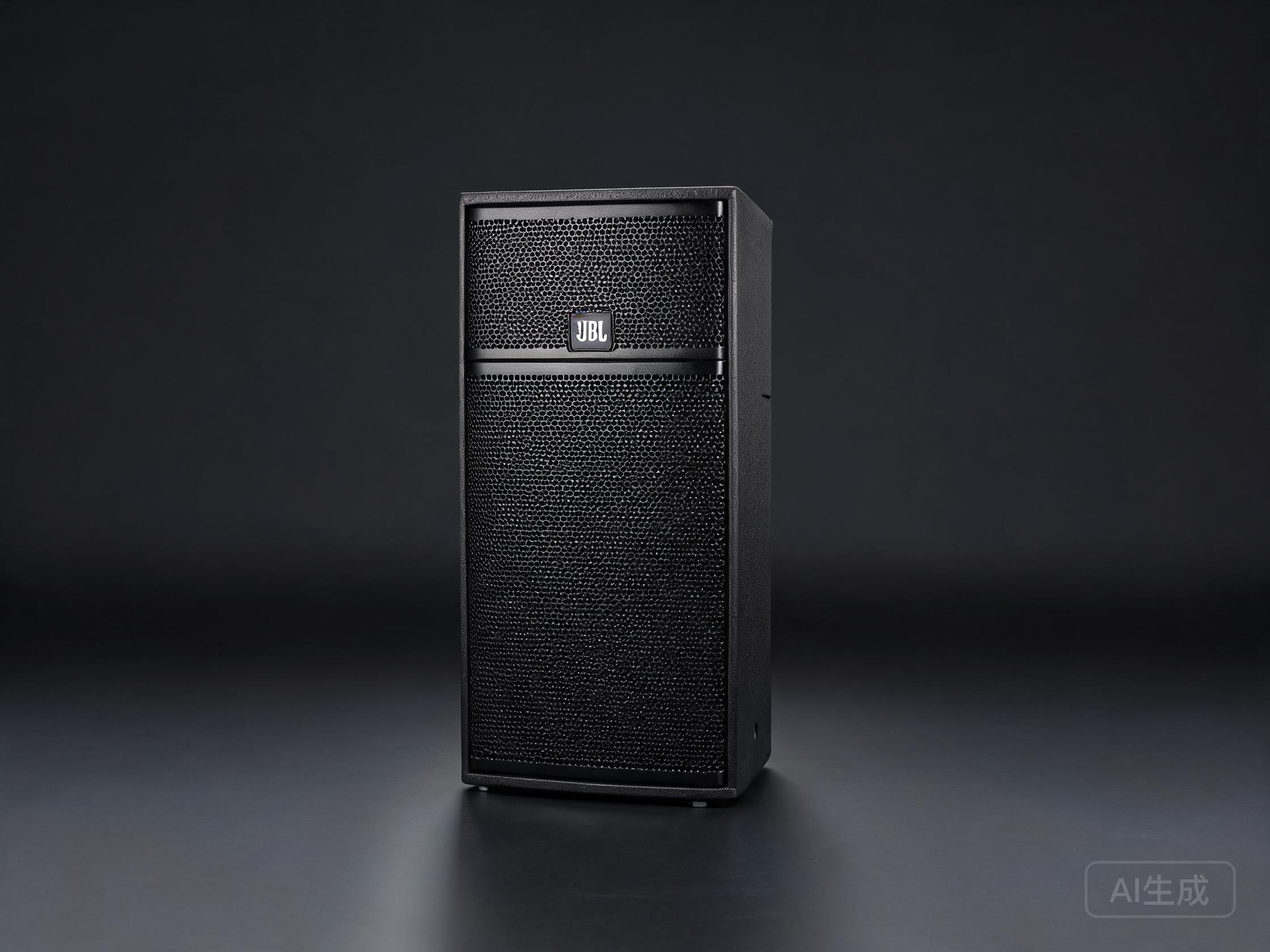
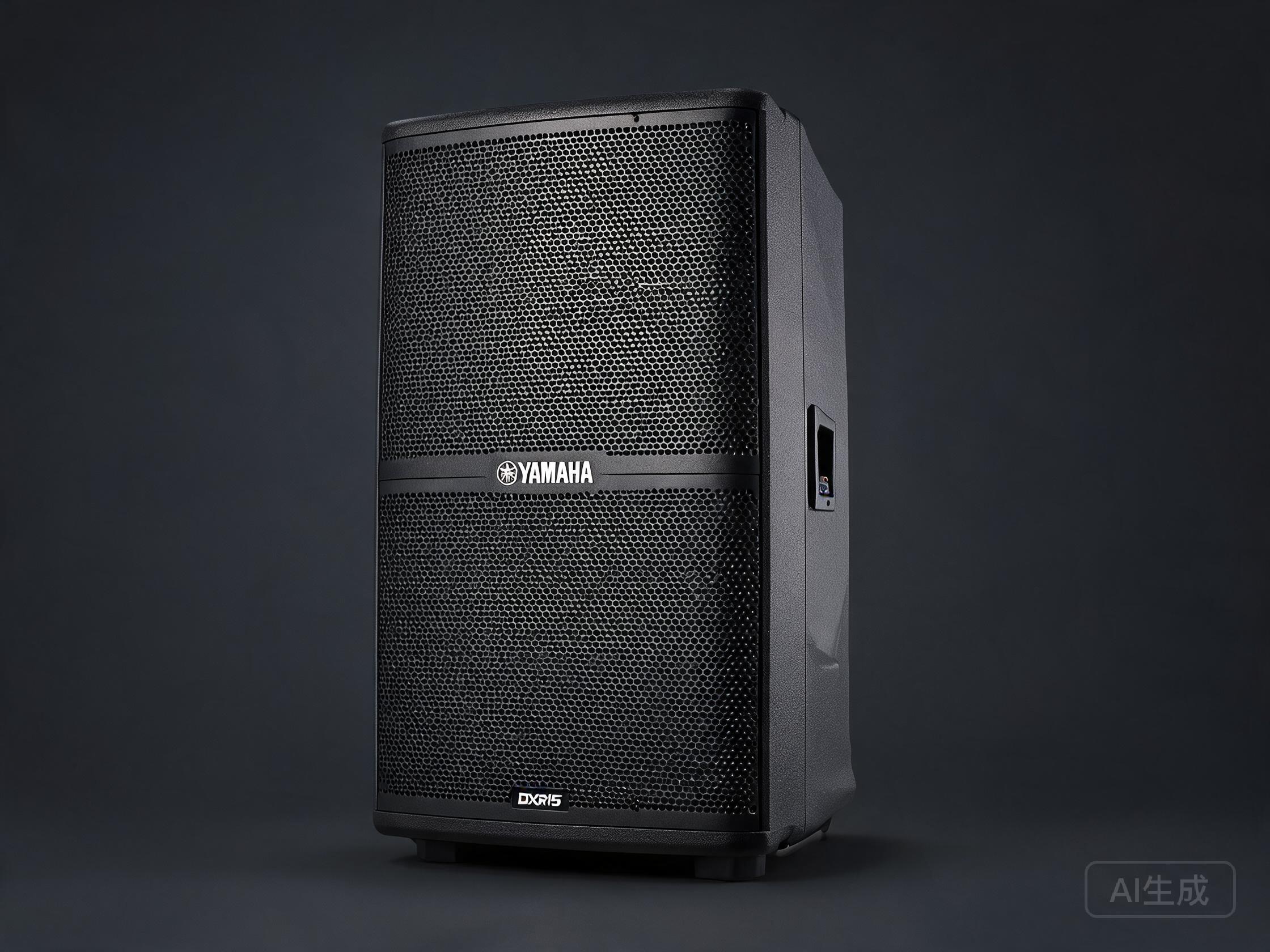
If you are building a small flown or pole-mounted array for a club, a KTV hall or a rental pool that gets specified by riders, buy the JBL VRX932LA-1 pair. If you need one box that makes noise the moment you plug it into a wall socket — a DJ monitor, a side-fill, a speech position, a small live stage — buy the Yamaha DXR15. These two are not competitors in the same job; they compete for the same budget line, and that is the only reason this comparison exists.
Specifications compared
| Spec | JBL VRX932LA-1 | Yamaha DXR15 |
|---|---|---|
| Type | Compact line array element (passive) | Active 2-way, self-powered |
| Drivers | 1x12" woofer, 1x3" compression driver | Not stated in our listing |
| Amplification | Not built in — external amp required | 1100W Class D, built in |
| Peak SPL | 132 dB | 132 dB |
| Frequency response | 60 Hz – 18 kHz | Not stated in our listing |
| Condition | A | A |
| FOB price | $1,200 USD (pair) | $480 USD |
Two things to note before reading anything into that table. First, the 132 dB figures are not measured under the same conditions — the JBL number is a peak rating for a passive array element, the Yamaha number is the manufacturer's peak figure for a self-powered box. Do not treat them as a like-for-like output comparison. Second, we have no published frequency response or driver complement for the DXR15 in this listing, so we are not going to invent one.
Power / performance in practice
The VRX932LA-1 is a constant-curvature array element. Its whole reason for existing is that you can hang or stack several of them and get controlled vertical coverage — the 3" compression driver on a waveguide is what gives it the vocal intelligibility and throw that a single 12" two-way cannot match at distance. But it is passive: no amplifier, no DSP, no processing. You supply the amp channels, the crossover/EQ preset and the rigging. Two boxes is a start, not a system. Plan on four to six for a real array, plus a subwoofer section, plus amplification. That is a design project, not a purchase.
The DXR15 is the opposite philosophy. One box, one mains lead, 1100W of Class D inside, and it plays. It is a 15" two-way, so it will go lower and louder in the near field than a single VRX element driven off a small amp, and it will do it in ninety seconds. What it will not do is scale. Two DXR15s on sticks are a PA. Eight of them are still just eight boxes on sticks — there is no array behaviour, no controlled vertical pattern, no coupling.
In a KTV room or a small bar stage, the DXR15 is the honest answer most of the time. In a 300–600 capacity venue where you need coverage from the stage to the back wall without blasting the front row, the VRX932LA-1 is the box that was designed for that job.
Condition, serviceability and spare parts
Both units are Condition A — meaning cosmetically clean and functionally tested by us before listing. That is the starting point, not the whole story.
The JBL VRX series has been in production long enough that recone kits, diaphragms and grille/hardware are widely available through JBL's pro distribution network and third-party suppliers. The 3" compression driver is a serviceable item; a diaphragm swap is a bench job, not a factory return. The rigging hardware — the array frames, the link bars — is the part that gets lost, and it is worth confirming what comes with the pair before you commit.
The DXR15 is a powered box, which means the amplifier module and the DSP board are the failure points, not the drivers. Yamaha's pro audio service network is broad, and the DXR line has been common enough in rental fleets that module-level repair is realistic in most markets. But a dead Class D module is a more expensive part than a diaphragm, and it is not something a local tech will typically reflow on the bench.
Neither product is exotic. Both are supported. The JBL asks more of you in rigging and processing knowledge; the Yamaha asks less of you but concentrates more value in one replaceable module.
Price and total cost of ownership
At $1,200 FOB for the pair, the VRX932LA-1 works out to $600 per box. At $480 FOB, the DXR15 is $480 per box. On sticker price the Yamaha looks cheaper — and it is, if you only ever need one box.
The honest TCO comparison looks like this. The DXR15 is complete: box, amp, processing, in one unit, one price. Add a second one and you have a stereo PA for under a thousand dollars. The VRX932LA-1 at $600 per box is only the beginning: you still need amplification (a four-channel amp or a dedicated processor/amp combo), speaker processing with the correct preset, cabling, and rigging if you intend to fly it. A realistic two-box VRX system with amps and processing lands well above the DXR15 pair — and it only makes sense if you are going to grow it into a real array.
Conversely, if you compare a properly deployed six-box VRX array against six DXR15s on sticks, the VRX system delivers coverage the DXR15s simply cannot, and the per-seat cost of that coverage is competitive. The money question is not which box is cheaper. It is whether you are buying a system or a speaker.
Final recommendation
Buy the Yamaha DXR15 if you need a working, self-contained box today — DJ work, KTV rooms, monitor duty, small stages, rental stock that non-technical staff have to set up. It is the lower-risk purchase and the lower entry price, and it does its job with no supporting infrastructure.
Buy the JBL VRX932LA-1 pair if you are building toward a flown or stacked array in a fixed venue or a rental pool that serves them, and you already own — or are prepared to buy — the amplification, processing and rigging to drive them properly. Bought as a pair and run off a borrowed amp, they will disappoint you. Bought as the first two elements of a planned array, they are the right foundation.
Both are in stock at Acoustrade in Condition A. If you are unsure which side of that line your project sits on, tell us the room, the coverage requirement and what amplification you already own — that answer decides the purchase, not the spec sheet.