Why the Meyer Sound USM-1P Still Commands Respect
If you're outfitting a KTV room, a small live stage, or a house of worship, you've likely come across the Meyer Sound USM-1P — a self-powered stage monitor that has earned a reputation for reliability and sonic accuracy. While Meyer Sound has moved on to newer models, the USM-1P remains a sought-after workhorse in the second-hand market, especially for venues that want Meyer Sound quality without the new-unit price tag.
At Acoustrade, we specialize in tested used pro-audio equipment, including self-powered speakers like the USM-1P. This guide covers what makes this model special, where it fits, and what to check before you buy.
What Is the Meyer Sound USM-1P?
The USM-1P is a compact, self-powered loudspeaker designed primarily as a stage monitor. It integrates a Meyer Sound amplifier and processing module, which means you don't need external amps or crossovers — just a power source and a line-level signal.
Key characteristics:
- Self-powered design: Built-in amplification and processing.
- Coaxial driver: Provides a point-source-like image, which helps with vocal clarity.
- Rugged enclosure: Built for touring and fixed installs.
- Meyer Sound heritage: Known for consistent tuning and long-term reliability.
Because it's a powered box, setup is simpler than passive monitor systems, making it a practical choice for venues that need quick deployment.
Typical Use Cases for the USM-1P
The USM-1P shines in applications where clear vocals and compact size matter:
- KTV and private rooms: As a monitor or fill speaker, it helps singers hear themselves without feedback issues.
- Live stages and clubs: Used as a downstage monitor for vocalists and small ensembles.
- Houses of worship: Provides discreet monitoring for pastors and worship teams.
- Corporate AV and studios: Serves as a reference monitor or playback speaker.
Its self-powered nature means you can add it to an existing system without re-racking amplifiers, which is a big plus for retrofits.
Why Buy a Used USM-1P Instead of New?
New Meyer Sound gear is an investment. Buying used can stretch your budget further, especially if you're equipping multiple rooms. Here's why the USM-1P is a smart used purchase:
- Proven reliability: Meyer Sound products are built to last, and many USM-1P units are still in service after years of use.
- Cost savings: You can often get several used units for the price of one new alternative.
- Availability: Acoustrade sources tested units from reputable suppliers, so you can find matched pairs or small lots.
- Ecosystem compatibility: If you already use Meyer Sound gear, the USM-1P integrates well.
That said, buying used requires diligence. That's where a supplier like Acoustrade comes in — we test and verify equipment before it ships.
What to Check Before Buying a Used USM-1P
When evaluating a used USM-1P, focus on these areas:
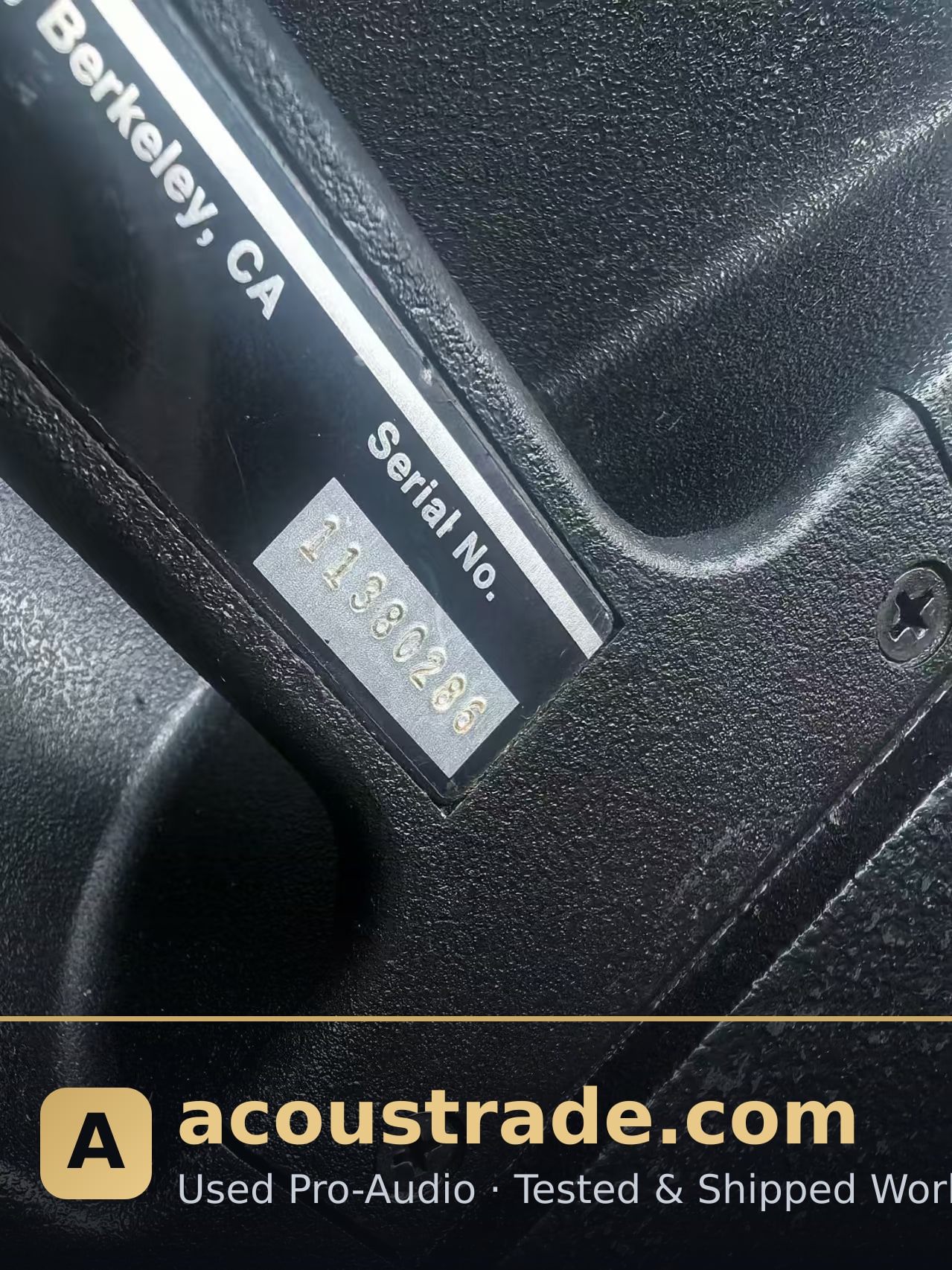
- Amplifier module health: Listen for noise, distortion, or intermittent output. Ask if the module has been serviced.
- Driver condition: Check the cone and surround for tears, and listen for rattles or buzzing.
- Enclosure integrity: Look for cracks, deep scratches, or water damage.
- Connectors and controls: Test inputs, level knobs, and power switches.
- Grille and hardware: Ensure the grille is intact and mounting points are not stripped.
A reputable seller will provide test results or allow inspection. At Acoustrade, we test used speakers to confirm they meet operational standards before listing.
How the USM-1P Fits Into a Modern System
Even though the USM-1P is an older model, it can still be a valuable part of a contemporary setup:
- As a monitor: Pair it with a digital mixer and in-ear monitors for a hybrid monitoring approach.
- As a fill speaker: Use it to cover front rows or side areas in KTV rooms.
- In multi-room venues: Deploy several units for consistent sound across rooms.
If you're building a system around used gear, Acoustrade also stocks used amplifiers, mixers, and microphones to complete your setup. We can help you match components for a cohesive system.
FAQ
Q: Is the Meyer Sound USM-1P still supported for parts and service?
A: Meyer Sound has a reputation for long product lifecycles, but parts availability for older models can vary. It's best to check with Meyer Sound or a qualified service center. A used gear supplier like Acoustrade can also advise on common service points.
Q: Can I use the USM-1P as a main speaker instead of a monitor?
A: While it's optimized as a monitor, some venues use it as a fill or delay speaker. For main PA duties, you'd typically want a larger system. Consult with an AV integrator to determine the best fit.
Q: What should I look for in a used USM-1P listing?
A: Look for clear photos, a description of condition, and any test results. Ask about the amplifier module, driver condition, and whether the unit has been serviced. A supplier that tests equipment, like Acoustrade, can provide more confidence.
Q: How does the USM-1P compare to newer Meyer Sound monitors?
A: Newer models may offer updated DSP, lighter weight, or higher output. The USM-1P remains a solid performer for many applications, especially where budget is a concern. It's known for its vocal clarity and reliability.
Q: Do you ship used Meyer Sound speakers internationally?
A: Yes, Acoustrade ships worldwide. We can provide crating and logistics support for international orders. Contact us for a quote.