Why Crown DCi Network Amplifiers Suit Club Installs
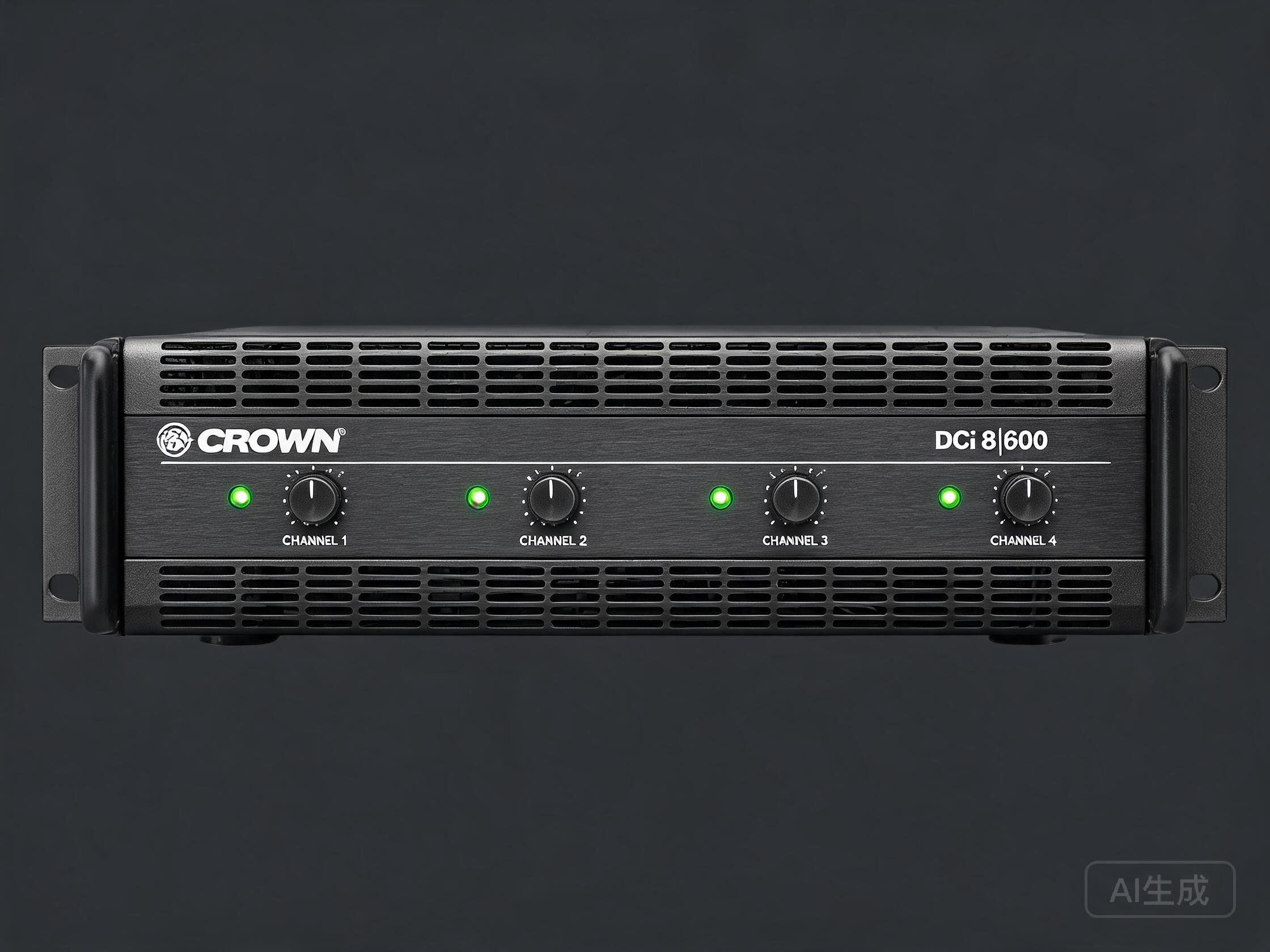
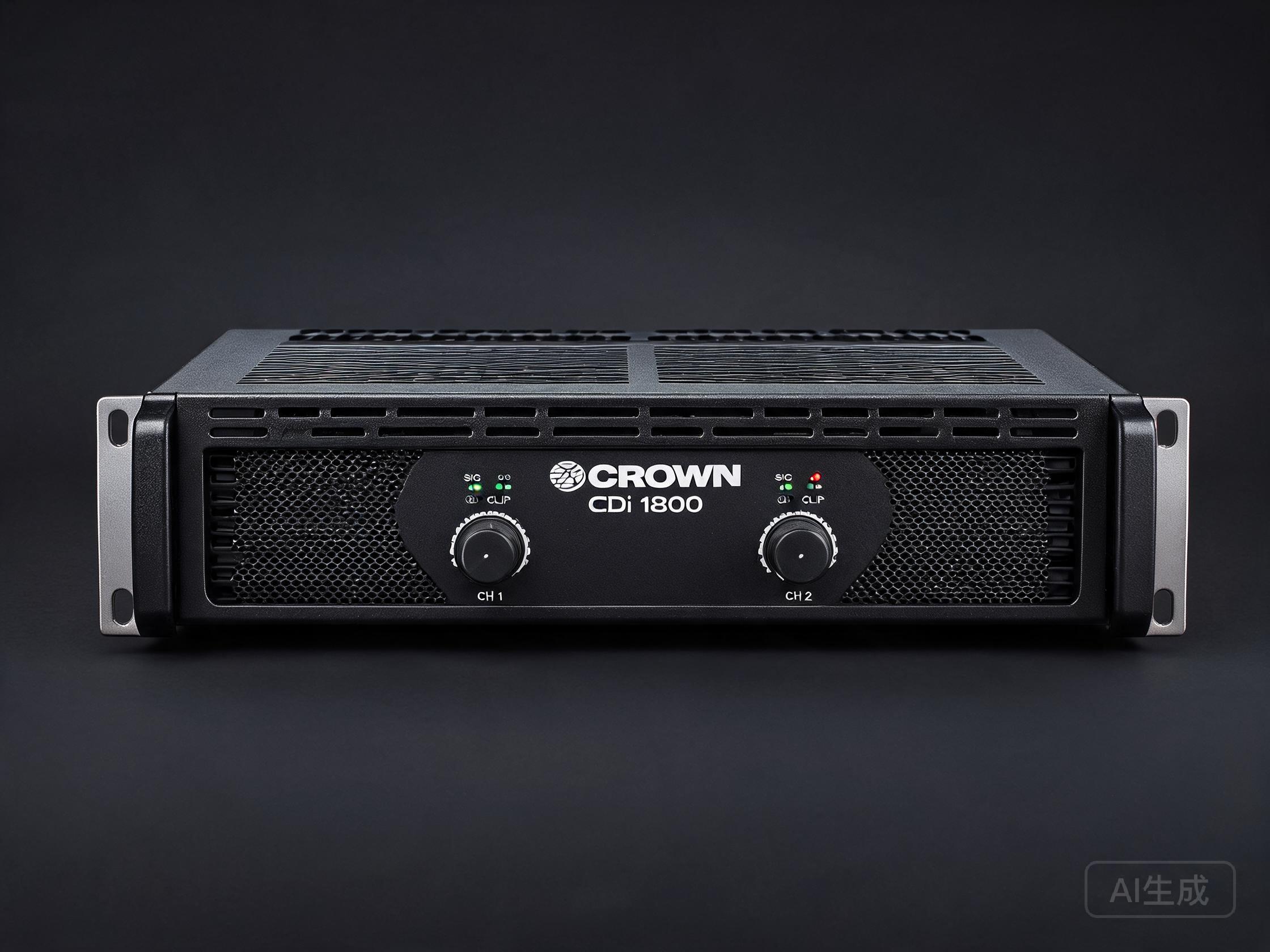
A nightclub or KTV venue puts heavy, continuous demand on its amplification. Long operating hours, dense bass programming and multiple zones all push amplifiers hard. The Crown DCi series was built for exactly this kind of fixed-install workload: it is a network-capable, multi-channel amplifier line with onboard DSP and Dante-ready models, designed for contractors and system integrators rather than touring.
Buying used Crown DCi network amplifiers for a club install can cut the amplifier budget substantially compared with new units, provided the gear is tested and the seller is honest about condition. This guide explains what DCi brings to a venue, what to verify before you buy second-hand, and how to plan a reliable rack.
What the DCi Series Brings to a Venue
Crown DCi amplifiers are install-focused, and several features matter directly for clubs and KTV rooms:
- Multi-channel formats. DCi models come in 2- and 4-channel versions, so a single chassis can drive several zones or a bi-amped section.
- Network control. DCi Network models add Dante audio networking and remote monitoring, letting integrators manage levels, presets and fault reporting from a laptop.
- Onboard DSP. Many DCi variants include digital signal processing, so you can tune crossovers, EQ and limiting without extra outboard gear.
- Constant-voltage and low-impedance options. Some models support both 70V/100V distributed lines and low-impedance loads, which helps when a venue mixes ceiling speakers with subwoofers.
- Rack-friendly design. The units are built to sit in equipment rooms and run for long stretches.
For a club, that combination means fewer boxes, cleaner cable runs and easier remote troubleshooting.
How DCi Fits a Club or KTV Signal Chain
A typical network amplifier rack in a venue looks like this:
1. Source and processing – DJ gear, media players and a system processor or mixer feed the network or analog inputs.
2. Amplification – Crown DCi Network amplifiers drive the main PA, booth monitors, subwoofers and separate KTV room speakers.
3. Control – A laptop or control system adjusts presets and monitors amplifier status over the network.
Because DCi Network units can share a Dante network, a single rack can serve the dance floor, bar area and private rooms while staying manageable from one control point. Pair them with a suitable mixing console and loudspeakers from our mixers and speakers ranges to complete the system.
What to Check Before Buying Used DCi Amplifiers
Second-hand network amplifiers are only a good deal if they are healthy. Ask the seller for the following and verify it yourself where possible:
- Test report per channel. Each channel should be load-tested and confirmed to deliver output without distortion or protection trips.
- Network and Dante function. Confirm the network port works, the unit is discoverable, and firmware is current enough for your control software.
- Fan and thermal behaviour. Listen for noisy or failing fans; clubs run amps hot for hours.
- Cosmetic and rack condition. Bent rack ears and damaged connectors are warning signs of rough handling.
- Service history. Ask whether the unit has been repaired, and whether original parts were used.
- Documentation. Manuals and any available configuration backups help with commissioning.
A reputable supplier will provide test evidence and a return policy. Avoid listings that only show a photo of a powered-on front panel.
Planning a Reliable Amplifier Rack
Even good used amplifiers need a sensible install:
- Match power to load. Confirm each channel's rated output at your actual speaker impedance before you commit.
- Leave headroom. Do not run amplifiers at maximum continuously; headroom protects speakers and extends amplifier life.
- Plan ventilation. Allow clearance around the rack and use forced ventilation in warm equipment rooms.
- Separate circuits. Give amplifier racks their own power circuits to reduce nuisance trips.
- Label everything. Clear channel and zone labelling saves hours during service calls.
If you are building a full venue system, browse our tested amplifiers and consider bundling with line arrays or ceiling speakers depending on room size.
Sourcing Used DCi Amplifiers from Acoustrade
Acoustrade supplies tested used pro-audio and KTV equipment to venues and integrators worldwide. For amplifier purchases, the focus is on units that have been checked for output, network function and physical condition before they ship. That matters most for network amplifiers, where a failed Dante port or corrupted firmware can stall an entire install.
When you enquire, share your zone plan, speaker loads and channel count so the right DCi models can be matched to the job. If you need a complete rack, amplifiers can be combined with processors, microphones and speakers in a single order.
FAQ
Are used Crown DCi network amplifiers reliable for a nightclub?
Yes, if they are tested and correctly installed. DCi amplifiers are built for continuous fixed-install use, but reliability depends on the individual unit's condition, so insist on per-channel test results and a working network check before buying.
Do all Crown DCi models support Dante?
No. Dante networking is specific to the DCi Network variants. Confirm the exact model number and that the network port is functional before you buy a second-hand unit for a networked club system.
Can I mix used DCi amplifiers with new speakers?
Yes. Amplifiers and speakers do not need to be the same age, but you must match power ratings and impedance. Check each channel's output against your speaker specifications to avoid under- or over-driving the cabinets.
What should a used amplifier test report include?
A useful report covers per-channel output under load, absence of distortion or protection trips, fan and thermal behaviour, network/Dante connectivity, and a note on cosmetic condition. Ask for it in writing.
How many DCi amplifiers does a typical club need?
It depends on zone count and speaker loads. A small venue might use one or two 4-channel units; a larger club with separate rooms may need several. Share your zone plan with the supplier so the channel count can be matched properly.