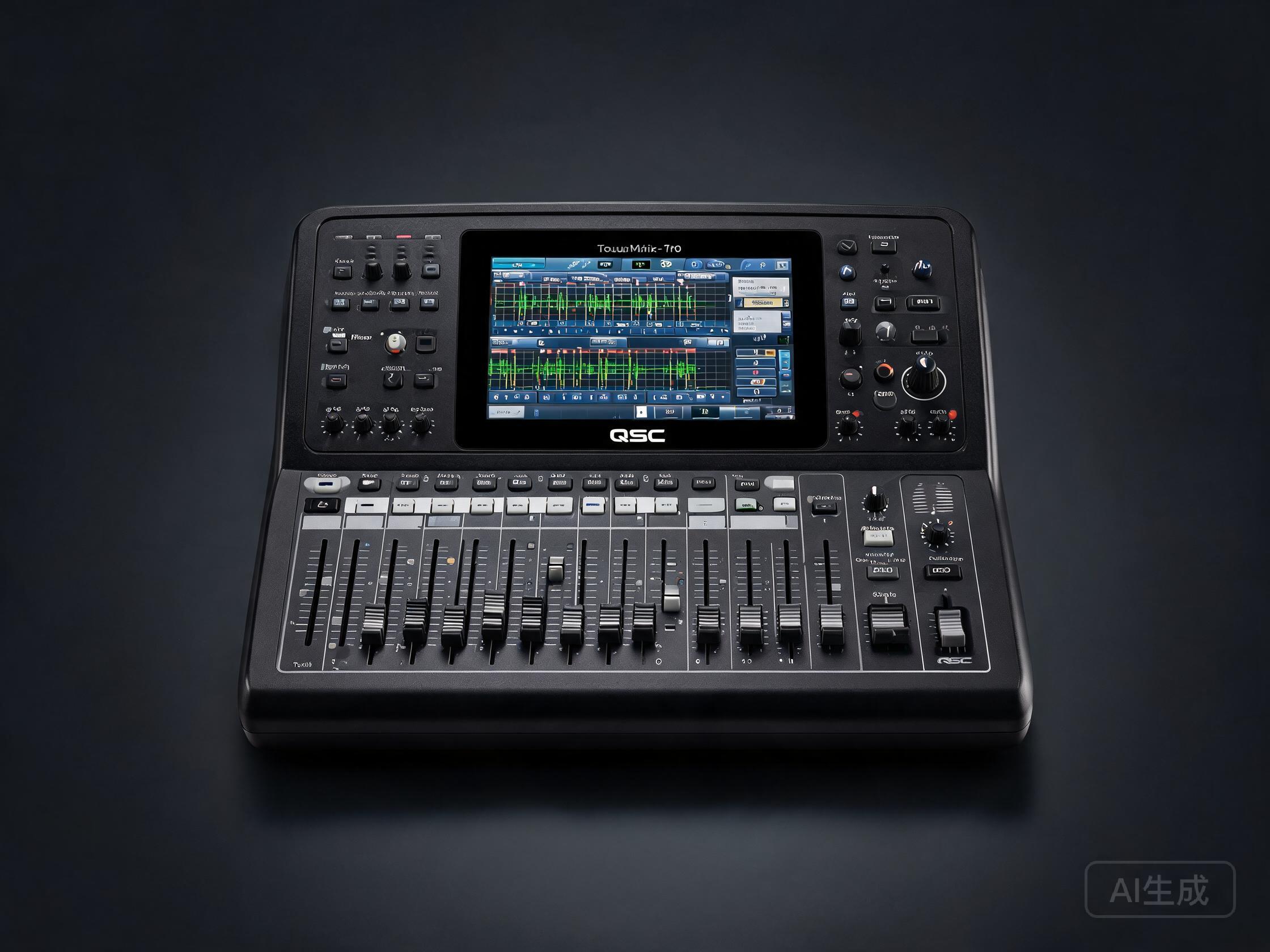
Why the Yamaha CL5 Fits a Nightclub Install
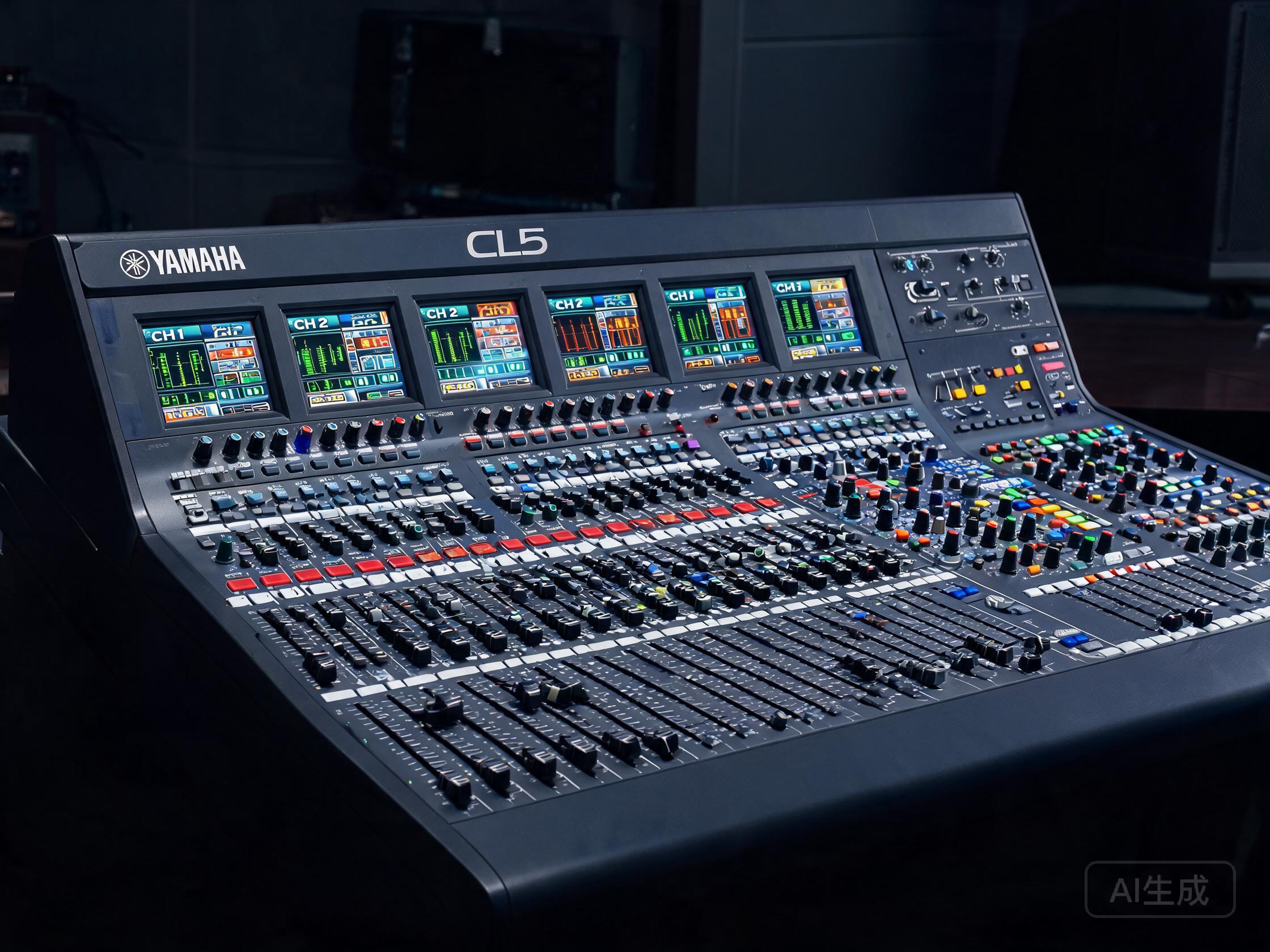
A nightclub is one of the hardest rooms for a mixing console. You run live bands, DJ changeovers, MC microphones, playback and sometimes broadcast or recording feeds — often on the same night. The Yamaha CL5 digital mixer was built for exactly this kind of workload. It is a large-format console with 72 mono input channels, 8 stereo channels, and a control surface designed for fast, hands-on mixing under pressure.
For venue investors and AV integrators, a used Yamaha CL5 is often the smartest way to put a professional-grade console into a club without paying new-console prices. Units are widely supported, well documented, and familiar to most touring and house engineers, which reduces training time and rider friction.
What the CL5 Brings to a Club System
- High channel count and flexible routing for live bands plus DJ inputs on one surface.
- Dante networking so the console can share audio with amplifiers, stage boxes and recording systems over a single network.
- Yamaha reliability and a large installed base, which means spare parts, service knowledge and engineer familiarity are easy to find.
- Scene memory and recall so you can store a DJ setup, a live-band setup and a corporate setup as separate scenes and switch quickly.
- Physical faders and a large touchscreen that many engineers prefer over compact digital mixers in a live club environment.
If you are building or upgrading a club system, the CL5 usually sits at the centre, feeding a power amplifier rack and a speaker system, with microphones and DI inputs arriving from the stage. Acoustrade supplies these categories together, so integrators can source a matched signal chain rather than piecing it together from separate sellers.
Why Buyers Choose a Used CL5 Instead of New
A new large-format digital console is a major capital cost. A tested used unit delivers the same core mixing capability for a fraction of that spend, which matters when a club budget also has to cover speakers, amplifiers, lighting and installation labour.
The CL5 has been in service for years across touring and install markets, so the second-hand supply is mature. Buyers choose used CL5 consoles because:
- The platform is proven and stable, not a first-generation product.
- Engineers already know the workflow, so you are not gambling on an unfamiliar brand.
- The money saved can go into better speakers, amplifiers or acoustic treatment.
- Consoles can be expanded later with stage boxes and Dante-connected devices.
What to Check Before You Buy
Buying used is only smart if the unit is genuinely tested. When evaluating a used Yamaha CL5 for a nightclub, ask the supplier for:
- Fader and encoder test results — motorised faders are the most common wear item.
- Channel-by-channel audio test on inputs and outputs.
- Dante and network card status, including any expansion cards fitted.
- Screen and touch response condition.
- Power supply health and any history of repair.
- Cosmetic and rack/road condition, especially if the console will travel or be installed in a dusty club.
A reputable supplier will document these checks. Acoustrade tests equipment before sale and describes condition honestly, so integrators know what they are installing.
Planning the Install
A CL5 is a large console, so plan space, power and cooling before delivery. Confirm the control-room or FOH position has enough room for the surface and a clear sightline to the stage. Decide early whether you will use a Dante stage box to shorten analogue cable runs, and check that your amplifier and speaker processing can accept the console's output format.
For clubs that also host KTV rooms or private events, a console like the CL5 can sit alongside a KTV system and wireless microphones, giving one technical team a single, familiar control platform across the venue.
FAQ
Is a used Yamaha CL5 reliable enough for a nightclub?
Yes, if it has been properly tested. The CL5 is a mature, widely deployed console. The key is buying from a supplier that documents fader, audio, network and power tests rather than selling untested units.
Can the CL5 handle both live bands and DJs?
Yes. Its high channel count, scene memory and Dante networking let you store separate setups and switch between live and DJ configurations quickly.
What else do I need for a complete club system?
Typically a power amplifier rack, a speaker system, stage boxes, microphones and cabling. Acoustrade supplies these categories so you can build a matched system around the console.
Do you ship used consoles internationally?
Acoustrade supplies pro-audio and KTV equipment globally. Confirm shipping, voltage and plug requirements with the team for your country before ordering.
Will engineers know how to use a CL5?
Most touring and house engineers are familiar with Yamaha's CL and QL series workflow, which reduces training time and helps with guest-engineer riders.