What Is a Concert Speaker and Why It Matters
A concert speaker (often called a PA speaker or live sound speaker) is the backbone of any live music event. It projects vocals, instruments, and backing tracks to an audience with clarity and power. Whether you run a small club, a mid-sized venue, or an outdoor stage, the right speaker system determines whether the crowd hears every detail or fights through distortion.
Concert speakers differ from home audio or studio monitors in three key ways: power handling, dispersion, and durability. They are built to run for hours at high SPL (sound pressure level) and to cover large, uneven spaces.
Key Types of Concert Speakers
Line Array Systems
Line arrays are the standard for medium to large concerts. They hang in vertical columns and deliver consistent coverage from the front row to the back of the venue. They are ideal when you need high output with controlled pattern.
Point-Source Speakers
Point-source (or direct-radiating) speakers are versatile and easier to set up. They work well for smaller venues, side fills, delays, and stage monitoring. Many clubs use point-source tops paired with subwoofers.
Subwoofers
Subwoofers handle low-frequency energy—kick drum, bass guitar, and electronic music. A common configuration is 2–4 subwoofers per side for a live band, or more for EDM events.
Stage Monitors
Wedges and side fills let performers hear themselves. They are a separate but essential part of a concert speaker inventory.
How to Choose the Right Concert Speaker System
Start with the venue, not the brand. Ask:
- Room size and shape: A low-ceiling club needs different dispersion than a tall concert hall.
- Audience capacity: More people means more SPL and more speakers.
- Music genre: A jazz trio and a metal band have very different low-frequency needs.
- Indoor vs. outdoor: Outdoor events lose sound quickly; plan for more power and proper delay towers.
- Budget and portability: Touring rigs need rugged, lightweight cabinets; fixed installs can prioritize output.
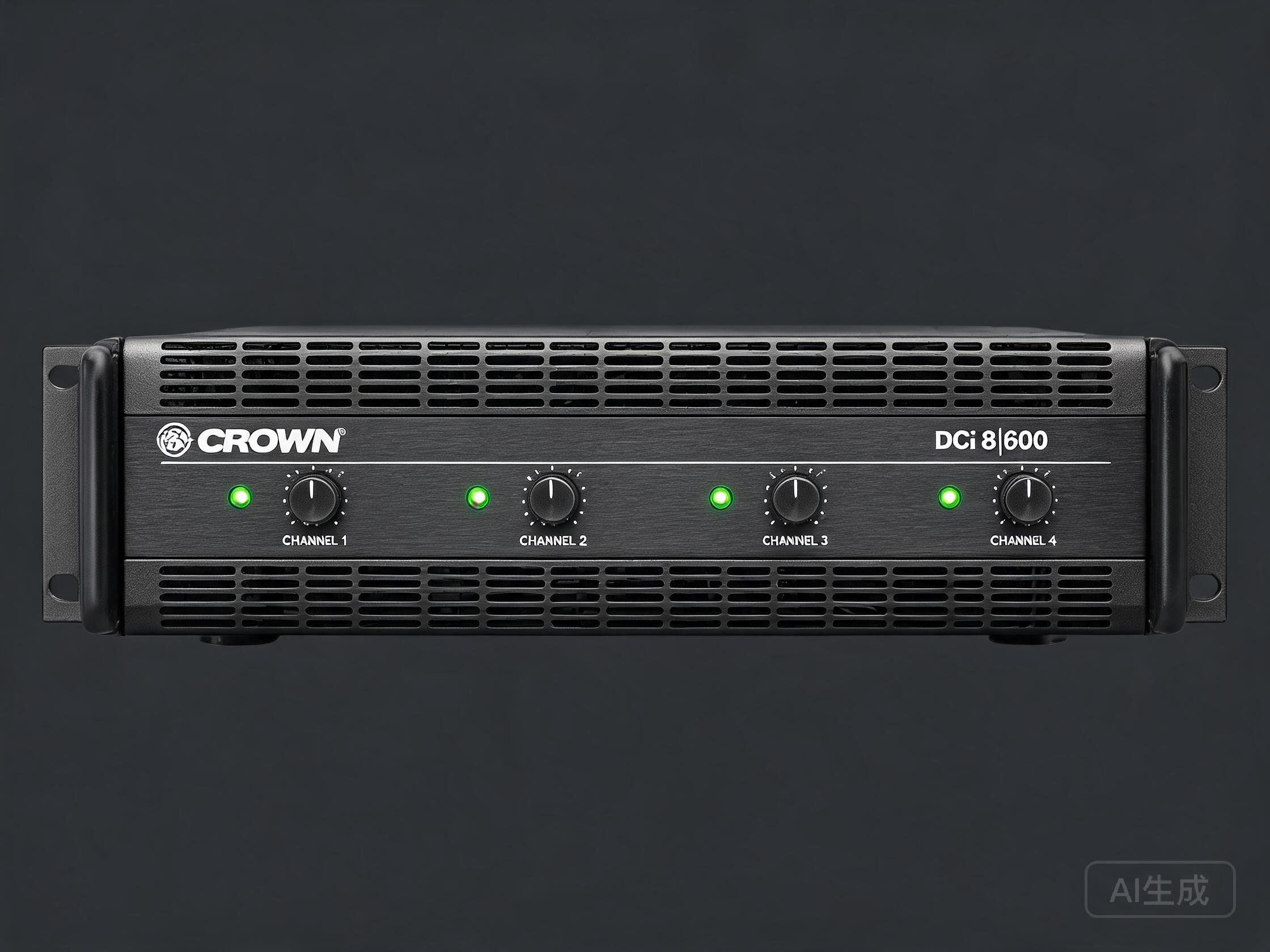
Also consider amplifier matching. A speaker rated at 1000W program power needs an amplifier that can deliver that cleanly. Underpowering causes more driver damage than overpowering in many cases.
New vs. Tested Used Concert Speakers
Buying new is straightforward but expensive, especially for a full line array. Tested used pro audio equipment offers a practical alternative for venue investors and AV integrators who need reliable gear at a lower cost.
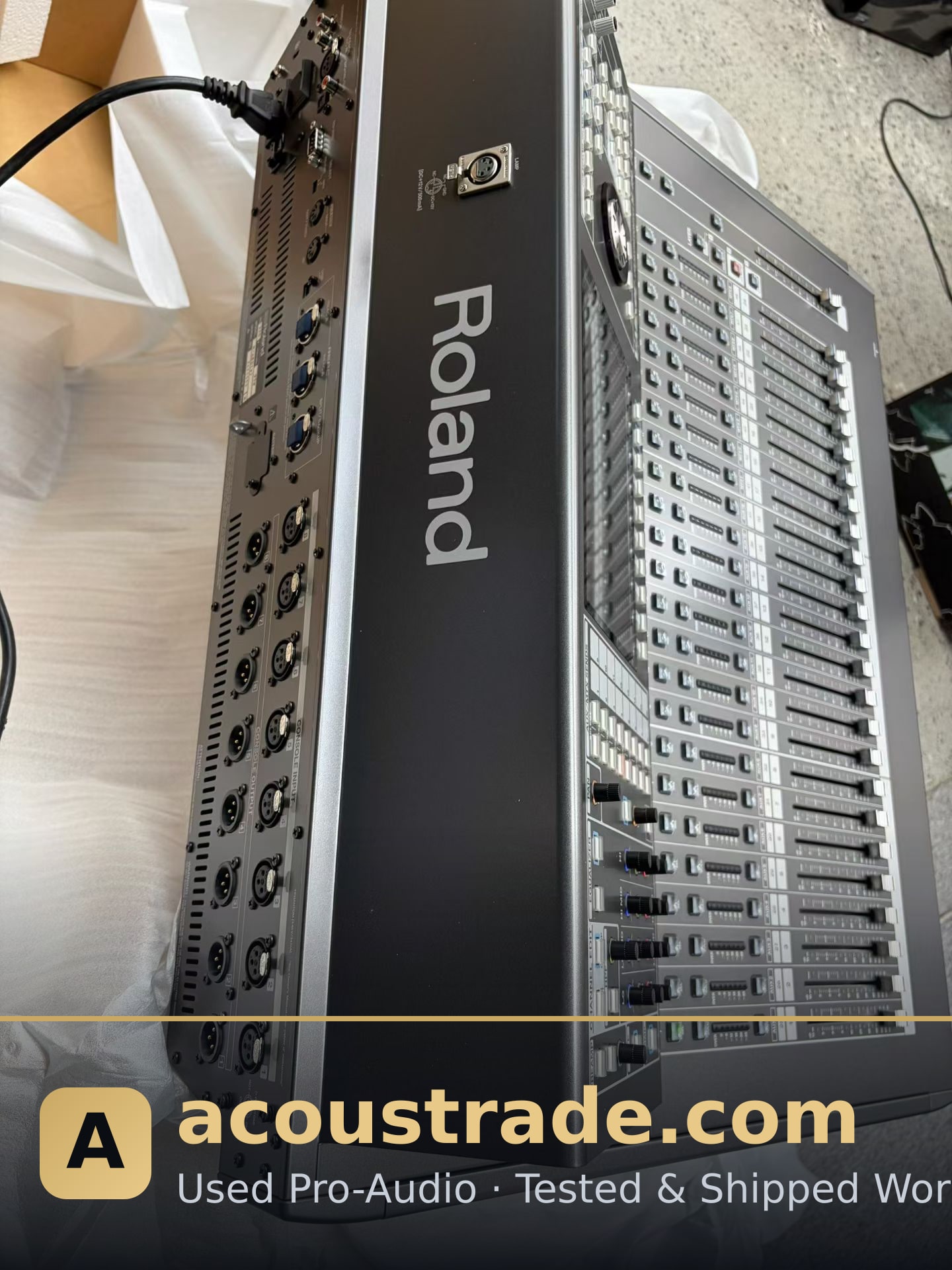
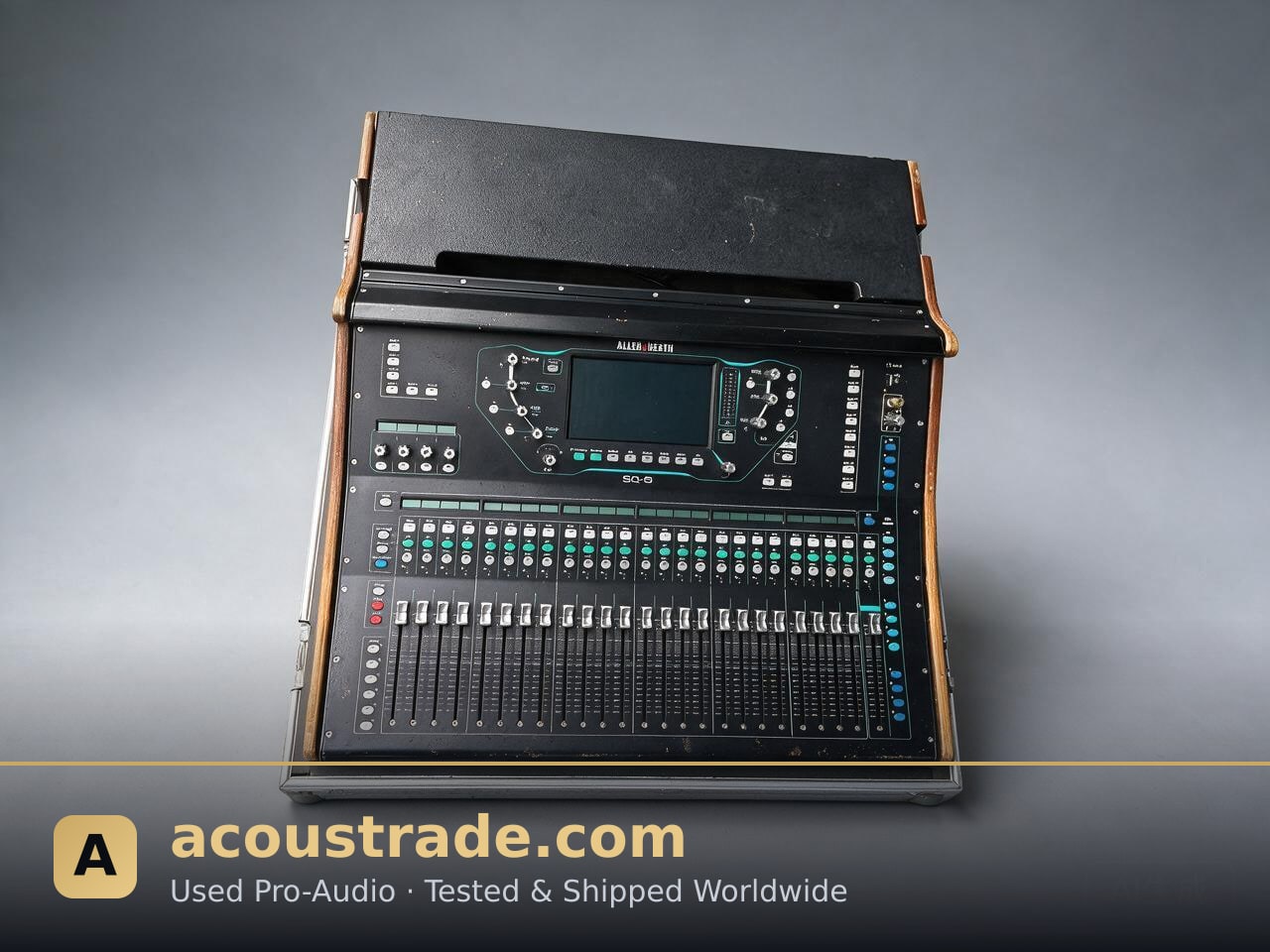
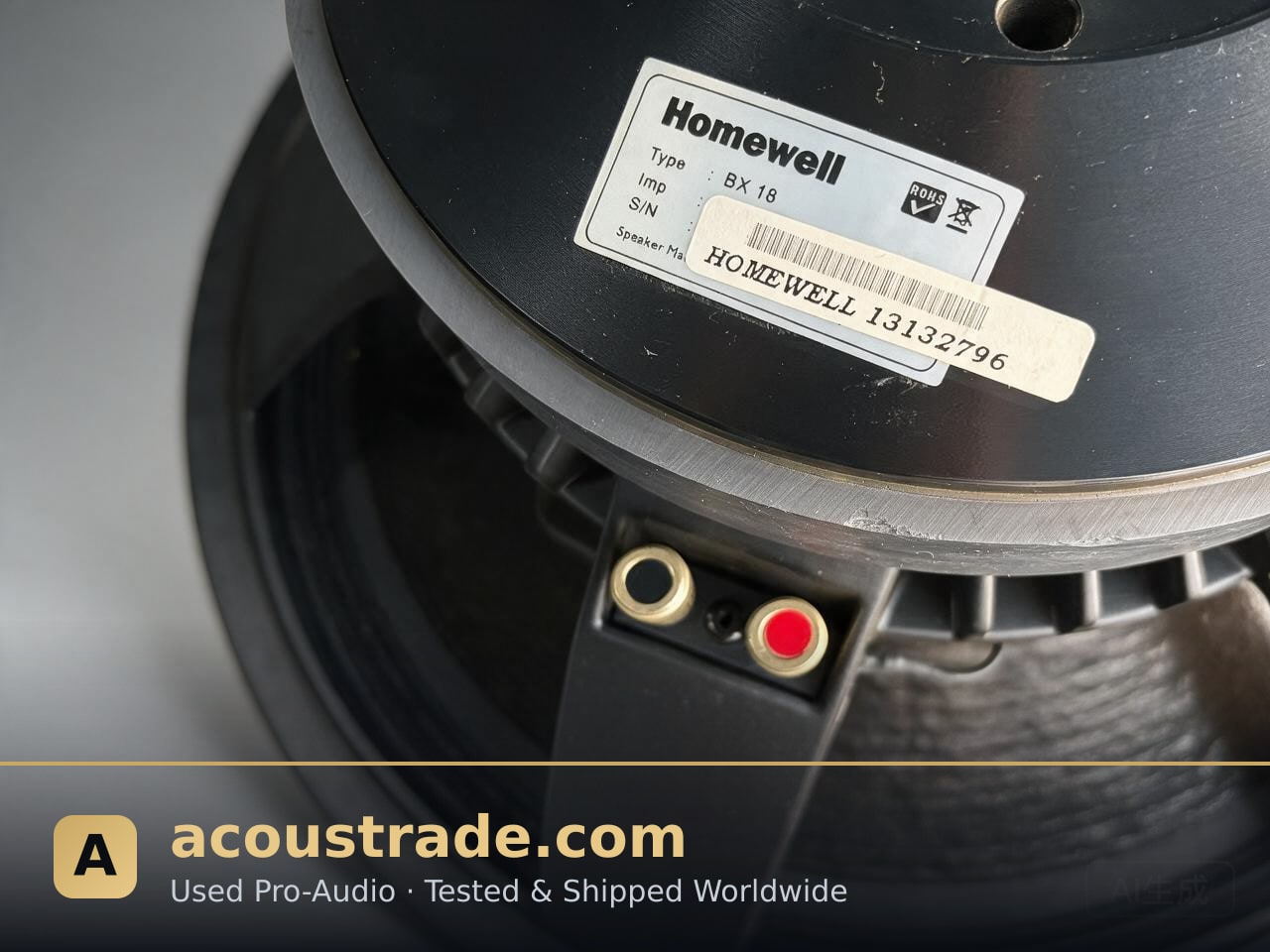
At Acoustrade, we supply tested used concert speakers, line arrays, subwoofers, amplifiers, mixers, and microphones from brands like JBL, Electro-Voice, and QSC. Every unit is checked before shipping, and we support global logistics. This is especially useful for venues upgrading an existing system or integrators building a rental inventory.
When buying used, always confirm:
- Driver condition (no rub, no voice coil damage)
- Cabinet integrity (no cracks or water damage)
- Original or compatible rigging hardware for line arrays
- Amplifier compatibility and presets
Setup and Safety Basics
Even the best concert speaker fails if it is set up poorly. Keep these points in mind:
- Rigging safety: Line arrays must be flown with certified hardware and by trained personnel. Never improvise.
- Coverage: Aim speakers at the audience, not at walls. Use delays for deep rooms.
- Gain structure: Set gain before feedback and leave headroom for peaks.
- Power: Use adequate AC distribution and avoid overloading circuits.
FAQ
What is the difference between a concert speaker and a home speaker?
Concert speakers are designed for high output, wide dispersion, and long-duty cycles. Home speakers prioritize accuracy at lower levels and are not built for sustained high SPL.
How many speakers do I need for a concert?
It depends on venue size, audience capacity, and music genre. A small club may need 2 tops and 2 subs; a mid-sized venue often uses a small line array per side plus 4–6 subs. A professional system design is recommended.
Can I use used concert speakers for a touring band?
Yes, if they are tested and come with proper rigging hardware. Many touring productions use quality used line arrays to control costs.
What brands should I look for?
Common professional brands include JBL, Electro-Voice, QSC, Meyer Sound, and L-Acoustics. Availability of tested used units varies, so check current stock.
Does Acoustrade ship internationally?
Yes, Acoustrade supplies tested used pro audio equipment globally and can assist with logistics for venue projects and integrator orders.