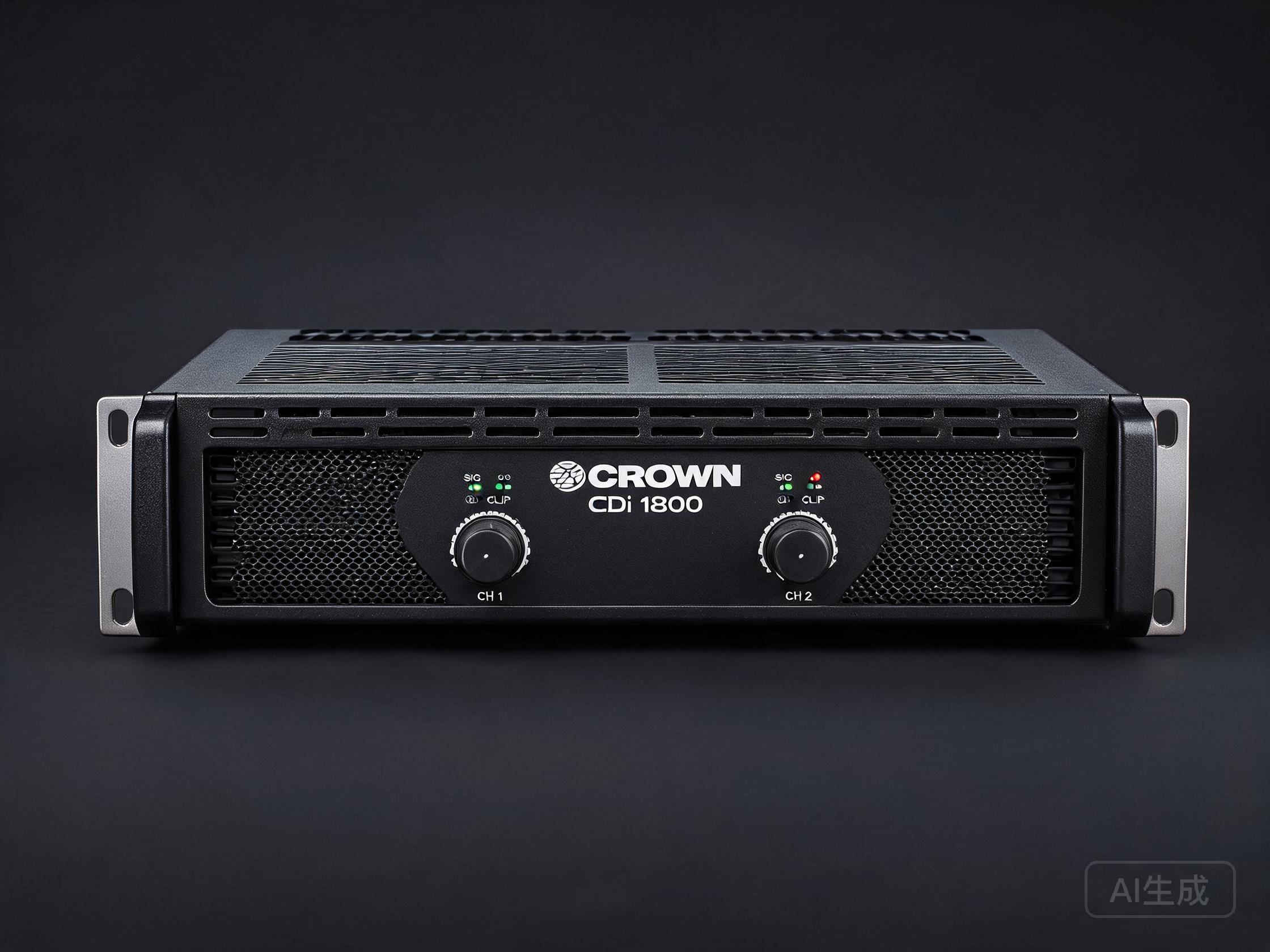
What Is a Reconditioned Amplifier?
A reconditioned amplifier is a used pro audio power amplifier that has been inspected, repaired where needed, and tested to confirm it meets its original performance specifications. Unlike a simple "used" unit sold as-is, a reconditioned amplifier has gone through a technical process: cleaning, component checks, bias adjustment, and load testing.
For venue investors and AV integrators, reconditioned amplifiers offer a practical middle ground between new retail pricing and the risk of untested second-hand gear.
How Reconditioning Works
Reconditioning is not the same as repair. A proper reconditioning workflow typically includes:
- Inspection of the chassis, connectors, fans, and circuit boards for damage or corrosion.
- Cleaning of dust from heatsinks and fan paths, which is a common cause of overheating in used amps.
- Component checks on capacitors, output devices, and power supply sections.
- Bias and DC offset adjustment to bring the amplifier back within spec.
- Load testing under realistic speaker loads to confirm stable output.
- Safety checks on grounding and mains wiring.
A reconditioned amplifier should come with a test report or at least a clear description of what was replaced.
Why Reconditioned Amplifiers Make Sense for Venues
New flagship amplifiers are expensive, and venues often need many channels: main PA, monitors, subwoofers, and separate zones. Reconditioned units let you allocate budget across more channels or higher power ratings.
Typical use cases:
- KTV rooms that need reliable, continuous output across many small zones.
- Bars and clubs running subwoofers and top boxes on separate amps.
- Houses of worship and conference rooms with modest but constant daily use.
- Touring and rental companies that want spare amps matching existing inventory.
Buying reconditioned also keeps proven amplifier designs in service instead of sending them to e-waste.
What to Check Before You Buy
Not every seller reconditions to the same standard. Ask these questions:
1. What was tested, and how? Look for bench testing under load, not just a power-on check.
2. Were capacitors replaced? Electrolytic capacitors age; on older amps this matters.
3. Is the fan and thermal path clean? Overheating is the leading cause of amplifier failure.
4. What is the warranty? Even a short warranty signals the seller stands behind the work.
5. Are rack ears, connectors, and knobs intact? Cosmetic issues are minor but affect installation.
6. Does it match your speaker impedance and power needs? Check bridging and per-channel ratings.
For system design, pair reconditioned amplifiers with matched speakers and, where relevant, line array modules so impedance and power are planned together.
Matching Amplifiers to Speakers and Rooms
Amplifier choice depends on the load and the room:
- Power headroom: aim for an amplifier rated above the speaker's continuous power handling, not just equal to it.
- Impedance: confirm the amp is stable at your speaker's minimum impedance, especially when running multiple boxes per channel.
- Bridging: useful for subwoofers, but check the bridged power and minimum impedance.
- Cooling: rack ventilation matters in hot KTV rooms and packed clubs.
- DSP and processing: some amps include onboard DSP, which can reduce outboard gear.
If you are building a full signal chain, plan the mixers and microphones alongside amplification so gain structure is consistent.
Buying Reconditioned Gear Globally
When sourcing from overseas, confirm voltage configuration (110V/220V), plug type, and whether the unit can be switched or must be rewired. Ask for photos of the actual unit, not stock images, and clarify shipping and customs terms.
A supplier that tests equipment before shipping reduces the chance of a dead-on-arrival unit and simplifies commissioning on site.
FAQ
Q: Is a reconditioned amplifier as good as new?
A: It is a used unit that has been inspected, repaired as needed, and tested. It can perform to spec, but it is not new and may show cosmetic wear. The key difference from as-is used gear is the testing and any warranty.
Q: How long do reconditioned amplifiers last?
A: Lifespan depends on the original build quality, how it was reconditioned, and how hard it is driven. Well-maintained amplifiers with replaced capacitors and clean cooling paths typically serve for years in fixed installations.
Q: Can I use reconditioned amplifiers for KTV rooms?
A: Yes. KTV systems often benefit from reconditioned amps because they need many channels of reliable, continuous output. Confirm the amp matches your speaker impedance and power needs.
Q: What should I ask the seller before buying?
A: Ask what was tested, whether capacitors were replaced, whether the unit was load-tested, what warranty applies, and whether voltage can be configured for your region.
Q: Do reconditioned amplifiers come with a warranty?
A: It varies by seller. Some offer a limited warranty; others sell as-is. Always confirm the warranty terms in writing before purchase.