What to look for before you buy (the 5 checks that matter)
When you're sourcing used PA speakers in bulk, the difference between a profitable deployment and a service nightmare comes down to five things:
1. Driver condition — Pull the grille if you can. Look for cone tears, surround rot, voice coil rub, and corrosion on the magnet. Factory-original drivers hold value; cheap replacements don't.
2. Amplifier module health — For active boxes, ask for a test report showing idle current, thermal behavior, and protection circuit status. Modules that have been run hard in hot clubs often fail first.
3. Cabinet integrity — Check for water damage, swollen plywood, cracked corners, and stripped fly points. Cosmetic scuffs are fine; structural damage is not.
4. Original vs. refurbished — A speaker with genuine OEM parts and a documented service history is worth more than one rebuilt with generic components. Ask for photos of internal crossovers and driver labels.
5. Test data, not claims — Request frequency response sweeps, SPL measurements, and impedance curves. If the seller can't provide them, factor that into your price.
Acoustrade lists condition, test status, and FOB pricing for every unit, so you can compare apples to apples across a bulk order.
Condition grading explained (what Grade A/B/C means in practice)
Grading systems vary by seller, but here's how we define them at Acoustrade:
- Grade A — Fully functional, cosmetically clean with minor signs of use. All drivers original or OEM-equivalent, amplifier modules tested, no structural repairs. Ready for front-of-house duty.
- Grade B — Fully functional but with visible cosmetic wear: scuffs, faded grilles, minor dents. May have had a driver replaced with a quality aftermarket unit. Suitable for rental stock or secondary zones.
- Grade C — Working but with significant cosmetic or structural issues. Often sold for parts, fixed installations where appearance doesn't matter, or as a source of spare components.
For bulk buyers, Grade A is the safest bet for client-facing venues. Grade B can work well for rental companies that need volume and can absorb cosmetic imperfections. Always ask for the specific grading criteria from your supplier—what one seller calls "A" another might call "B."
Matching PA speakers to your venue size and use case
Speaker selection should start with the room, not the spec sheet. Here's a practical framework:
- Small clubs, cafés, KTV rooms (up to 150 people) — A 10" or 12" active speaker per side is usually enough. Look at the RCF ART 710-A Mk4 (10", 1400W, 131dB peak) or the Electro-Voice ELX200-12P (12", 1200W, 134dB peak). Both are compact, easy to mount, and have enough headroom for background to mid-level program.
- Mid-size venues, live music bars (150–400 people) — 15" active boxes like the Yamaha DXR15 (1100W, 132dB peak) work well as mains or monitors. For wider coverage, consider a compact line array.
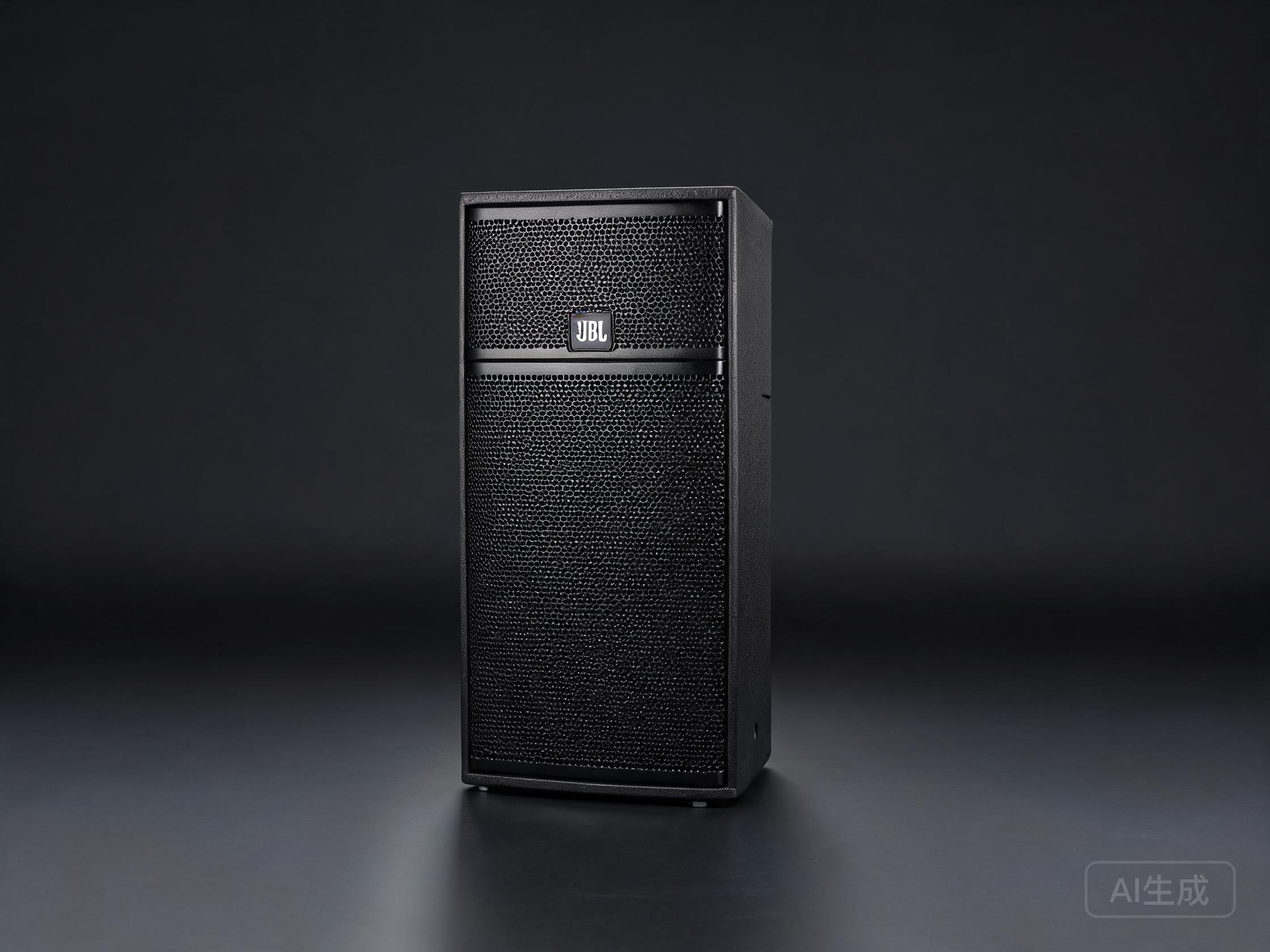
- Large clubs, auditoriums, outdoor stages (400+ people) — You'll want a line array element or a high-output point-source system. The JBL VRX932LA-1 compact line array (12" woofer, 3" compression driver, 132dB peak) is a common choice for touring and fixed installs where coverage and pattern control matter.
Current inventory in this category includes:
- JBL VRX932LA-1 — compact line array, Grade A, FOB $1,200/pair
- Yamaha DXR15 — 15" active, Grade A, FOB $480
- Electro-Voice ELX200-12P — 12" active, Grade A, FOB $520
- RCF ART 710-A Mk4 — 10" active, Grade A, FOB $620
Voltage, plugs and certification for Russia / Middle East / South America / Africa
This is where bulk buyers lose money. Active speakers are voltage-specific. A 120V model will not work on a 230V supply without a step-down transformer, and even then, frequency differences (50Hz vs. 60Hz) can affect performance and cooling.
- Russia and CIS — 220–230V, 50Hz, Type C/F plugs. Confirm the speaker's input voltage range. Many modern switch-mode supplies are universal, but older units may not be.
- Middle East — Mostly 230V, 50Hz, with Type G (UK) or Type C/F depending on country. Check local plug standards before ordering.
- South America — 127V or 220V depending on country (Brazil is 127V/220V, Argentina 220V). Plugs vary widely. Confirm both voltage and plug type.
- Africa — 230V, 50Hz is common, but plug types and stability of supply vary. In areas with frequent brownouts, consider external voltage regulation.
Certification requirements differ by country. CE marking is common in many regions, but local telecom or electrical authorities may require additional approvals. Always confirm with your importer or a local compliance consultant—don't assume a CE mark is sufficient everywhere.
Shipping, customs and MOQ when importing from China
Most used pro audio equipment ships from China via sea freight for bulk orders. Air freight is faster but expensive for heavy cabinets.
- MOQ — Suppliers typically set minimum order quantities per model or per container. For mixed orders, ask if you can combine models to reach the MOQ.
- Incoterms — FOB pricing means you take responsibility from the port of loading. If you're new to importing, consider CIF or DDP terms to simplify logistics, though the unit price will be higher.
- Customs — Used audio equipment is subject to import duties and taxes in most countries. Rates depend on HS codes and local trade agreements. Some countries restrict imports of used electronics; check before you buy.
- Documentation — Ensure the supplier provides commercial invoice, packing list, and certificate of origin. For used goods, some customs authorities may require a declaration of condition.
Acoustrade ships from China and can advise on documentation, but we always recommend working with a local customs broker for your first import.
Common mistakes buyers make
- Buying on price alone — The cheapest lot often has hidden driver or amplifier issues that cost more to fix than the savings.
- Ignoring voltage — Assuming all active speakers are universal. They're not.
- Skipping test data — Buying without frequency response or SPL measurements is a gamble.
- Underestimating shipping — Sea freight, duties, and inland transport can add 20–40% to the landed cost.
- Not matching speakers to the room — A line array in a small KTV room is overkill; a 10" box in a large hall will struggle.
- Forgetting spare parts — Bulk buyers should order spare drivers, grilles, and amplifier modules while they're available.
If you're sourcing for multiple venues or reselling, consistency matters more than getting the absolute lowest price. A reliable Grade A lot with test data will serve your clients better than a mixed bag of unknowns.