Introduction
When equipping a KTV room, the microphone is the most critical component for vocal clarity and durability. Two Shure models often come up: the Shure Beta58A and the Shure SM58. Both are legendary, but they serve different purposes. This article breaks down their differences so you can choose the right mic for your venue.
Key Differences Between Beta58A and SM58
Capsule and Sound Signature
- SM58: Spherical mesh grille, cardioid pattern, classic mid-range presence boost. It has a warm, familiar sound that flatters many voices.
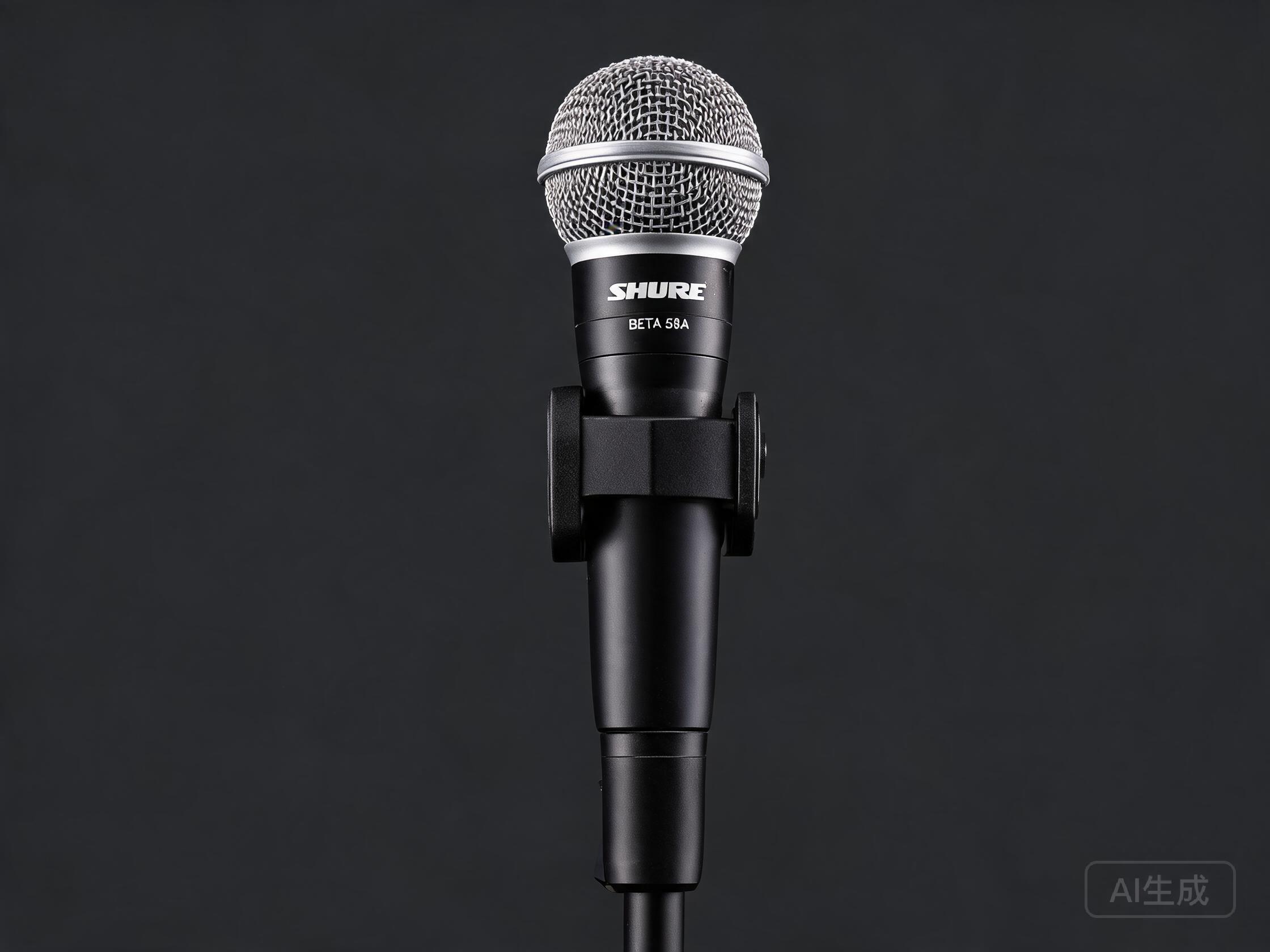
- Beta58A: Tapered grille, supercardioid pattern, neodymium magnet, and a brighter, more detailed high-frequency response. It cuts through dense mixes and provides higher gain before feedback.
Feedback Rejection
In KTV rooms, speakers are often close to the singer, and feedback is a real risk. The Beta58A’s supercardioid pattern offers better off-axis rejection, making it more resistant to feedback than the SM58’s cardioid pattern. This is a significant advantage in small, reflective rooms.
Durability and Handling
Both mics are built like tanks. The SM58 is famous for surviving drops and spills. The Beta58A is also rugged but has a slightly different grille design. Both are reliable for nightly KTV use.
Output Level and Sensitivity
The Beta58A has a neodymium magnet and higher output, so it needs less gain from the mixer. This can result in a cleaner signal and less noise in long cable runs.
Why the Shure Beta58A Excels in KTV Rooms
- Superior feedback control: The supercardioid pattern keeps feedback at bay even when monitors are loud.
- Crisp vocal detail: The bright, articulate sound helps vocals stand out in karaoke tracks.
- High output: Less gain needed, reducing noise and improving clarity.
- Professional grade: Built for stage and studio, it handles the demands of busy KTV venues.
At Acoustrade, we supply tested used Shure Beta58A microphones that deliver professional performance at a fraction of the new price. Each unit is inspected and tested to ensure it meets our quality standards.
When to Choose the SM58 Instead
The SM58 remains a solid choice for budget-conscious venues or for singers who prefer a warmer, more forgiving sound. It’s also a great backup mic. However, for rooms with feedback issues or where vocal clarity is paramount, the Beta58A is the better investment.
Buying Tips for KTV Microphones
- Consider the room acoustics: reflective rooms benefit from tighter patterns like supercardioid.
- Check compatibility with your existing wireless systems (both models are available in wired and wireless versions).
- Buy from a reputable supplier that tests used gear. Acoustrade offers a range of tested microphones, including the Beta58A, to suit various budgets.
FAQ
Is the Shure Beta58A better than the SM58 for KTV?
For most KTV rooms, yes. The Beta58A’s supercardioid pattern provides better feedback rejection and its brighter sound suits karaoke vocals. However, the SM58 is still a reliable and more affordable option.
Can I use the Beta58A with any mixer?
Yes, the Beta58A is a standard dynamic microphone with an XLR connection and works with virtually any mixer or KTV amplifier that provides phantom power? No, dynamic mics don’t need phantom power. It works with any standard microphone input.
How do I prevent feedback in a KTV room?
Use a microphone with a tight pickup pattern like the Beta58A, position speakers away from the mic, and avoid pointing the mic at speakers. Also, use a feedback suppressor if available.
Are used Shure Beta58A microphones reliable?
Yes, when purchased from a trusted supplier like Acoustrade. We test each microphone for sound quality and functionality before shipping.
What is the difference in price between Beta58A and SM58?
The Beta58A is typically more expensive than the SM58 due to its advanced capsule and neodymium magnet. However, used options from Acoustrade can make the Beta58A more accessible.