Why Churches Choose the QSC TouchMix-16 Pro
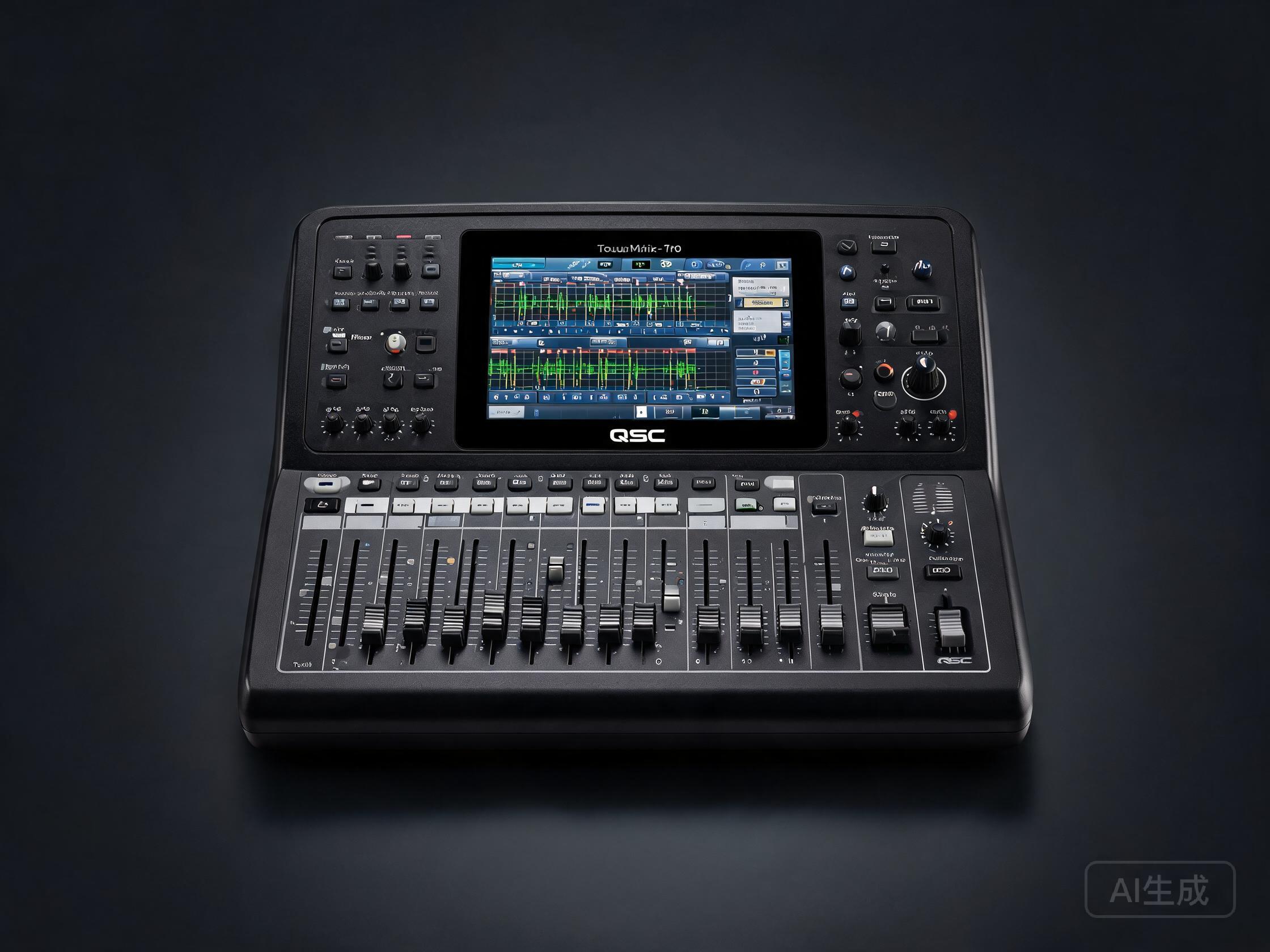
A church sound system has to do a lot with a little: spoken word, a worship band, maybe a choir or a guest speaker on video. The QSC TouchMix-16 Pro is a compact digital mixer built for exactly that kind of room. It packs 16 inputs, touchscreen control and built-in processing into a small footprint that fits a booth, a back closet or a side table near the stage.
For overseas venue investors and AV integrators working on worship projects, a used QSC TouchMix-16 Pro is a practical way to get professional mixing capability without a new-unit budget. The key is buying a tested unit from a supplier who understands what a church install actually needs.
What the TouchMix-16 Pro Brings to a Worship Venue
- 16 inputs covering vocal mics, instruments, playback and speech channels for a typical sanctuary.
- Touchscreen workflow that volunteers and part-time operators can learn quickly.
- Built-in effects and processing — EQ, dynamics, reverb and presets — so you don't need a rack of outboard gear.
- Scene memory so Sunday setups can be recalled instead of rebuilt from scratch.
- Compact size suited to small booths and multi-purpose rooms.
These features are why the model is common in houses of worship, community halls and small auditoriums. It is a mixer that rewards a simple, repeatable setup — which is exactly what a church volunteer team needs.
Why Buy Used Instead of New
Worship venues often work with fixed budgets and donor funding, so every dollar has to stretch. A tested second-hand mixer can free up budget for the parts of the install that matter just as much: speakers, amplifiers, cabling and installation labor.
Buying used makes sense when the unit is:
- Fully tested across all inputs, outputs and the touchscreen.
- Sold with clear condition notes and photos of the actual unit.
- Backed by a supplier who can answer technical questions before and after the sale.
Acoustrade supplies tested used pro-audio and KTV equipment worldwide, including digital mixers like the TouchMix-16 Pro, alongside amplifiers, speakers and microphones. That means an integrator can source a coherent system rather than piecing it together from scattered listings.
What to Check Before You Buy
When you evaluate a used TouchMix-16 Pro for a church install, go through a short checklist:
1. Every input and output — confirm each channel passes signal cleanly.
2. Touchscreen response — check for dead zones, lag or calibration issues.
3. Faders and controls — test for smooth operation and no drift.
4. Scene and preset memory — make sure stored setups save and recall correctly.
5. Connectivity — verify network/app control and any expansion ports work.
6. Physical condition — look for impact damage, worn connectors and missing accessories.
A reputable supplier will confirm these points for you. If a listing is vague about testing, treat that as a warning sign.
Planning the Rest of the Install
A mixer is one part of a worship audio chain. Before you commit, think about how the TouchMix-16 Pro will connect to the rest of the room:
- Speakers and amplifiers — match power and coverage to the sanctuary size and ceiling height.
- Microphones — handheld and lavalier mics for speech, plus instrument mics for the band.
- Cabling and stage boxes — plan runs so volunteers aren't tripping over cables.
- Operator training — a simple scene-based setup keeps Sunday service consistent.
If you are building a full system, sourcing the mixer, speakers and amplifiers from one tested supplier reduces compatibility surprises.
FAQ
Is a used QSC TouchMix-16 Pro reliable for a church?
Yes, provided it has been fully tested. Ask the supplier to confirm all inputs, outputs, the touchscreen and scene memory work correctly before shipping.
Can volunteers learn the TouchMix-16 Pro quickly?
The touchscreen interface and scene memory make it approachable for part-time operators. A basic scene setup for each service type helps a lot.
Does a used mixer come with a warranty?
That depends on the supplier. Always confirm the warranty and return terms in writing before you buy.
What else do I need for a church install?
Plan for speakers, amplifiers, microphones and cabling alongside the mixer. Buying from one supplier helps ensure everything works together.