Why the Yamaha DXR15 Fits Bar Gigs So Well
A bar gig is a tough job for a speaker. The room is small, the ceiling is low, the stage is often a corner, and the audience stands close to the cabinets. You need a box that gets loud without sounding harsh, handles a full band or DJ set, and survives being loaded in and out every weekend.
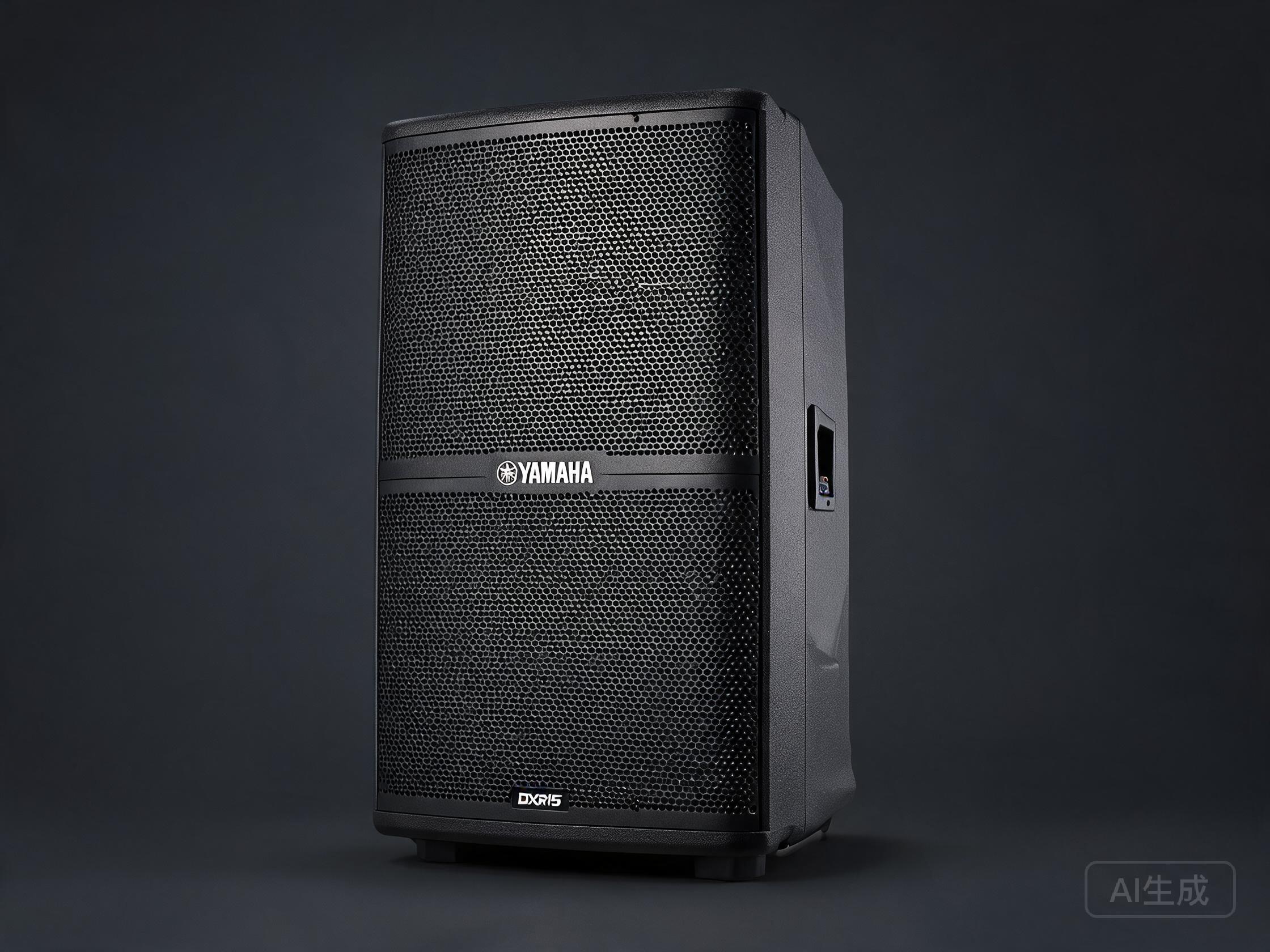
The Yamaha DXR15 is one of the most requested powered speakers in this segment for exactly that reason. It is a 15-inch, two-way active PA speaker with a strong low-end response, high output and a rugged plastic enclosure. For a bar, that means you can often run a compact system without a subwoofer and still get a usable kick drum and bass guitar.
Buying a used Yamaha DXR15 is a practical way for venue owners and AV integrators to build a reliable house system at a lower cost — provided you know what to inspect before you pay.
What the DXR15 Actually Delivers in a Bar
Before you compare listings, it helps to understand where this speaker earns its reputation.
- Output and headroom: The DXR15 is designed for main PA duties in small-to-medium rooms. In a typical bar of 80–150 people it can run as a single pair for bands, DJs and karaoke without constant clipping.
- Low-end without a sub: The 15-inch woofer gives you more bass extension than a 12-inch box. Many bar systems use DXR15 tops alone, then add a subwoofer later if the room or music style demands it.
- Built-in processing: Onboard DSP, EQ presets and protection circuits make it easier to set up quickly in awkward rooms.
- Practical form factor: Pole-mount, floor-monitor angle and fly points mean the same cabinet can serve as main PA, monitor or fill depending on the night.
- Durability: The enclosure and grille are built for touring-style handling, which matters when gear is moved several times a week.
For bar owners, the appeal is simple: one model that covers bands, DJs, karaoke and private events, with enough consistency that staff can set it up without an engineer.
Why Buy a Used Yamaha DXR15 Instead of New
New DXR15 units are not cheap, and a bar may need two, four or more cabinets plus monitors. The second-hand market lets you put more boxes in the room for the same budget.
Key reasons buyers choose used:
- More coverage per dollar: Two used cabinets often cost less than one new unit, which matters for multi-speaker installs.
- Proven platform: The DXR series has been in service for years, so spare parts, service knowledge and user experience are widely available.
- Fast replacement: If one cabinet fails on a busy weekend, sourcing a matching used unit is easier than waiting on a new order.
- Matched pairs: Buying used lets you find identical pairs for stereo mains or monitor wedges.
Acoustrade supplies tested used pro-audio and KTV equipment, including powered PA speakers, amplifiers, mixers and microphones. That means you can source a complete bar system — not just one cabinet — from a single supplier.
What to Check Before You Buy
A used speaker is only a good deal if it is genuinely healthy. Use this checklist when evaluating any second-hand DXR15.
1. Driver and cabinet condition
- Inspect the woofer cone for tears, creases or signs of re-coning.
- Check the grille for dents that could indicate impact damage.
- Look for cracks around the pole-mount socket and handle recesses.
2. Electronics and controls
- Power the unit on and confirm the DSP boots cleanly.
- Test every input, the level controls and any preset or EQ functions.
- Listen for crackling when adjusting knobs — dirty pots are common on gigged gear.
3. Sound test at working volume
- Play familiar music at gig level, not just at low volume.
- Listen for distortion, rattles or a woofer that bottoms out early.
- Test both cabinets in a pair side by side to confirm they match.
4. Fan, heat and protection
- Let the speaker run for a while and confirm the fan engages and the rear panel does not overheat.
- Check that the protection circuit does not cut in prematurely at moderate levels.
5. History and accessories
- Ask about previous use — fixed install, rental fleet or touring.
- Confirm power cables, covers and any original packaging are included.
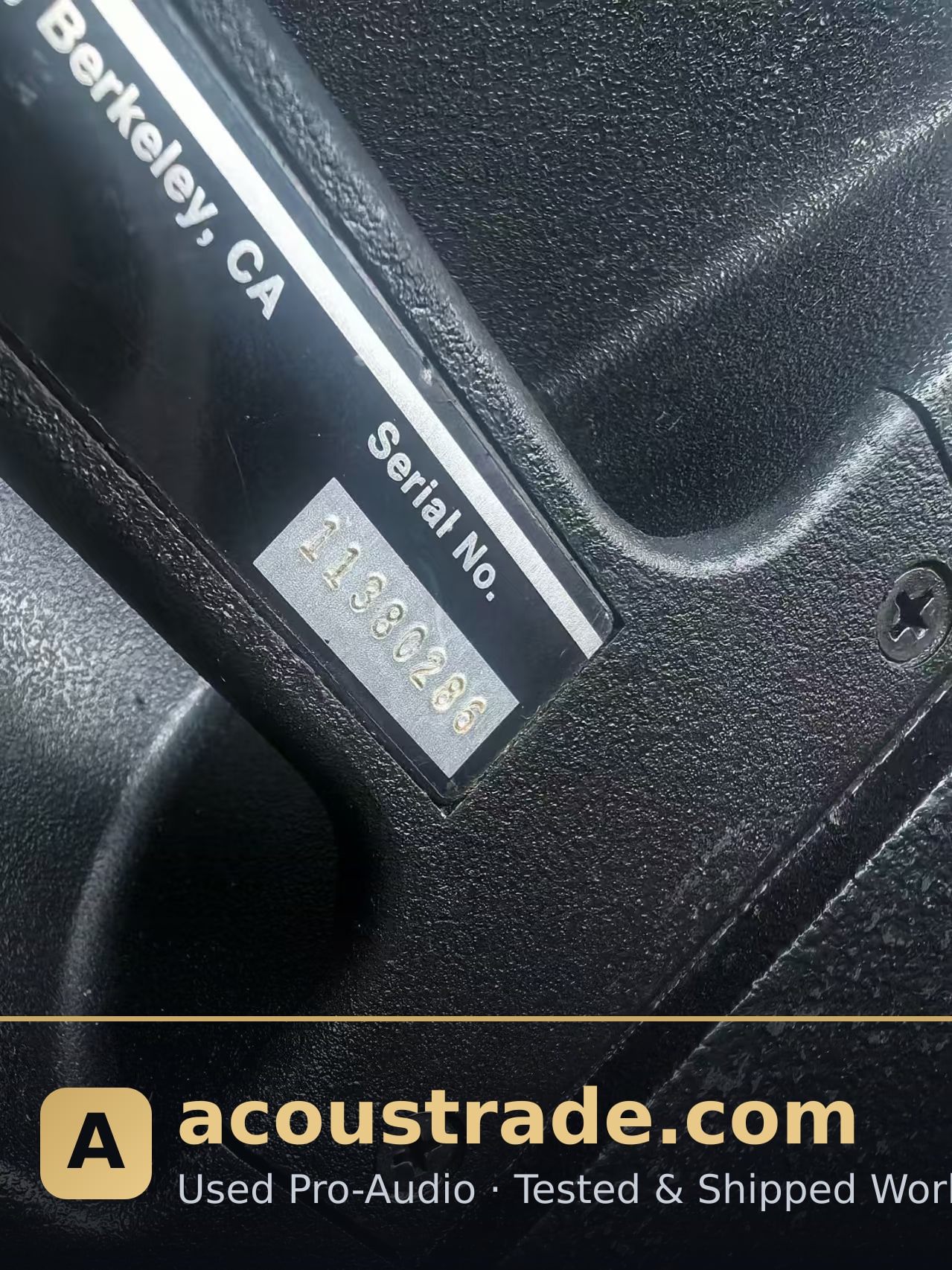
A reputable seller will test these points and describe the condition honestly. If a listing only shows a photo of the front grille, ask for the rear panel and a working video.
Matching the DXR15 to Your Bar Setup
A DXR15 is flexible, but it is not the right answer for every room. Consider these pairings:
- Small bar, solo or duo: One or two DXR15 cabinets on poles, no subwoofer. Simple, fast and loud enough.
- Live band, 100+ capacity: Two DXR15 tops plus a subwoofer, with smaller cabinets as monitors.
- DJ and karaoke nights: DXR15 mains with a dedicated sub for dance music; karaoke vocals benefit from a clean microphone and a reliable mixer.
- Multi-zone venues: Use DXR15 as main PA and smaller powered cabinets for bar or patio fill.
If you are building or upgrading a full system, Acoustrade also stocks amplifiers and line arrays for larger rooms.
Pricing and Value Expectations
Used DXR15 pricing depends on condition, age, included accessories and local supply. Rather than quoting fixed numbers, judge value by these factors:
- Condition: Clean, fully working units command a premium; units with cosmetic damage but sound electronics are the best value.
- Pair availability: Matched pairs are worth more than two mismatched singles.
- Service history: Units that have been tested and documented are lower risk.
- Shipping and duty: For overseas buyers, factor freight and import costs into the total, not just the unit price.
For venue investors, the calculation is straightforward: compare the total cost of a used system against the revenue it supports — cover charges, bar sales on event nights and rental income.
FAQ
Q: Is a used Yamaha DXR15 loud enough for a bar without a subwoofer?
A: For most bars of 80–150 people, a pair of DXR15 cabinets delivers enough low-end for bands, DJs and karaoke. If you play bass-heavy dance music or host loud rock bands, adding a subwoofer gives cleaner headroom.
Q: How can I tell if a second-hand DXR15 is in good condition?
A: Test it at working volume, check the woofer cone and grille, confirm every input and control works, and listen for distortion or rattles. Ask the seller for a video of the unit powered on and playing.
Q: Should I buy a matched pair or single units?
A: For main PA use, a matched pair is better for even coverage and resale value. Single units make sense as spares, monitors or fill speakers.
Q: Does Acoustrade test used speakers before shipping?
A: Acoustrade supplies tested used pro-audio and KTV equipment. Ask your sales contact for the specific test report and condition notes for the units you are considering.
Q: Can I build a full bar system from used equipment?
A: Yes. Many venues pair used powered speakers with used mixers, microphones and amplifiers. Buying from one supplier simplifies compatibility checks and shipping.