Introduction
Choosing between the Yamaha DXR15 and the RCF ART 710-A is a common dilemma for venue owners and AV integrators. Both are respected powered speakers, but they serve different purposes. The DXR15 is a 15-inch two-way speaker built for high output and deep bass, while the ART 710-A is a compact 10-inch model focused on portability and vocal clarity. This article breaks down their differences so you can decide which fits your needs.
Yamaha DXR15: Overview and Strengths
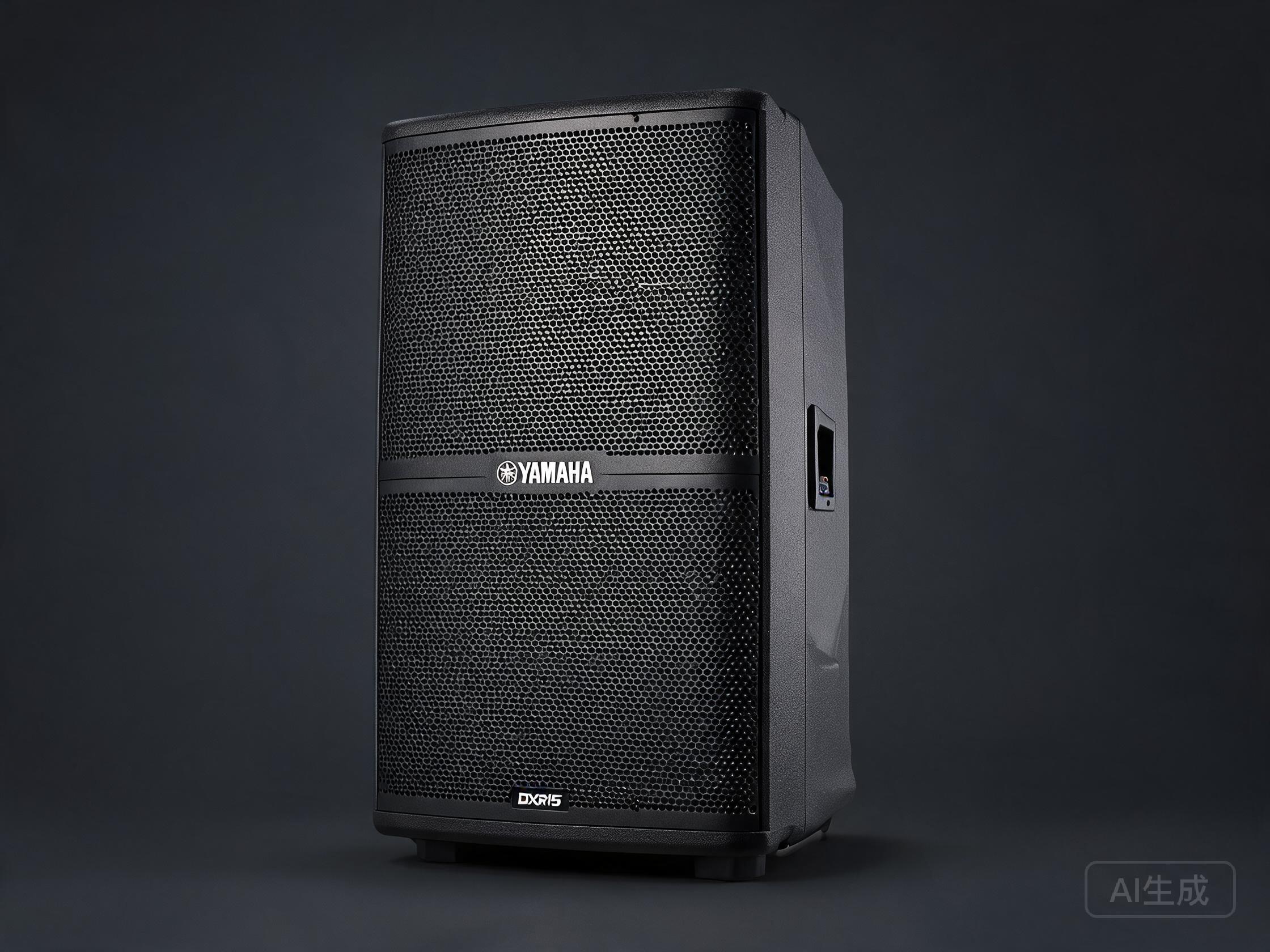
The Yamaha DXR15 is part of Yamaha's DXR series, known for reliability and high SPL. Key features include:
- 15-inch woofer with a 1.75-inch compression driver.
- Class-D amplification delivering up to 1100W peak power.
- Maximum SPL of 133 dB (per Yamaha specifications).
- Onboard DSP with presets for FOH, monitor, and speech.
- Rugged plywood enclosure with a pole mount and M10 rigging points.
Typical use cases:
- Main PA for small to medium venues (clubs, bars, halls).
- Floor monitor for loud stages.
- Subwoofer-free setups where deep bass is needed.
- Rental fleets due to durability and rider acceptance.
Why buyers choose it: The DXR15 delivers strong low-end and high output without a subwoofer, making it a cost-effective solution for DJs, bands, and venues that need full-range sound from a single box.
RCF ART 710-A: Overview and Strengths
The RCF ART 710-A is a compact two-way speaker from RCF's ART 7 series. Key features include:
- 10-inch woofer with a 1-inch compression driver.
- Class-D amplification with 1400W peak power (per RCF specifications).
- Maximum SPL of 129 dB.
- Lightweight polypropylene enclosure (approx. 13 kg).
- Wide dispersion (90° x 60°) for even coverage.
Typical use cases:
- Corporate events, conferences, and presentations.
- Small acoustic gigs and worship spaces.
- Stage monitors for quieter acts.
- Portable setups where weight matters.
Why buyers choose it: The ART 710-A is easy to carry and set up, and its vocal clarity and wide dispersion make it ideal for speech and acoustic music.
Key Differences: DXR15 vs ART 710-A
| Feature | Yamaha DXR15 | RCF ART 710-A |
|--------|--------------|---------------|
| Woofer size | 15 inch | 10 inch |
| Max SPL | 133 dB | 129 dB |
| Weight | ~21 kg | ~13 kg |
| Bass response | Deep, subwoofer-like | Moderate, tight |
| Best for | Loud music, full-range | Speech, acoustic, portability |
Output and bass: The DXR15 wins on sheer output and low-frequency extension. If you need thumping bass without a sub, it's the clear choice.
Portability: The ART 710-A is significantly lighter and smaller, making it easier to transport and rig, especially for solo performers or mobile DJs.
Clarity: The ART 710-A's 10-inch woofer and wide dispersion often provide clearer vocals and better coverage in reverberant rooms.
Which One Should You Buy?
Choose the Yamaha DXR15 if:
- You need high SPL for live bands or DJ sets.
- You want full-range sound without a subwoofer.
- You have a fixed installation or a vehicle for transport.
- You value rugged build and rider-friendly branding.
Choose the RCF ART 710-A if:
- Portability is a priority.
- Your main content is speech or acoustic music.
- You work in corporate or conference settings.
- You need wide, even coverage in difficult rooms.
Consider both: Many integrators use the DXR15 for mains and the ART 710-A for monitors or delay fills, leveraging the strengths of each.
Where Acoustrade Fits In
Acoustrade supplies tested used Yamaha DXR15 speakers and other professional audio equipment. If you're outfitting a venue or building a rental fleet, buying used can stretch your budget without sacrificing quality. We also stock powered speakers, line arrays, amplifiers, and mixers from top brands. Browse our Speaker category to find the right model for your needs.
FAQ
1. Can the Yamaha DXR15 be used as a floor monitor?
Yes, the DXR15 has a monitor angle and onboard DSP presets for floor monitor use, making it suitable for stage monitoring.
2. Is the RCF ART 710-A loud enough for a small band?
It can handle small acoustic bands and light rock, but for loud rock or DJ sets, the DXR15's higher SPL and bass output are more appropriate.
3. Do I need a subwoofer with the DXR15?
Not necessarily. The DXR15 produces strong bass on its own, though adding a subwoofer can enhance low-end for large rooms or electronic music.
4. Which speaker is more reliable for rental use?
Both are reliable, but the Yamaha DXR15's rugged plywood enclosure and widespread rider acceptance make it a popular choice for rental companies.
5. Can I mix Yamaha and RCF speakers in one system?
Yes, but keep in mind that different voicing may require EQ adjustments. It's common to use them for different roles (e.g., DXR15 for mains, ART 710-A for monitors).