What Is a Frequency Amplifier?
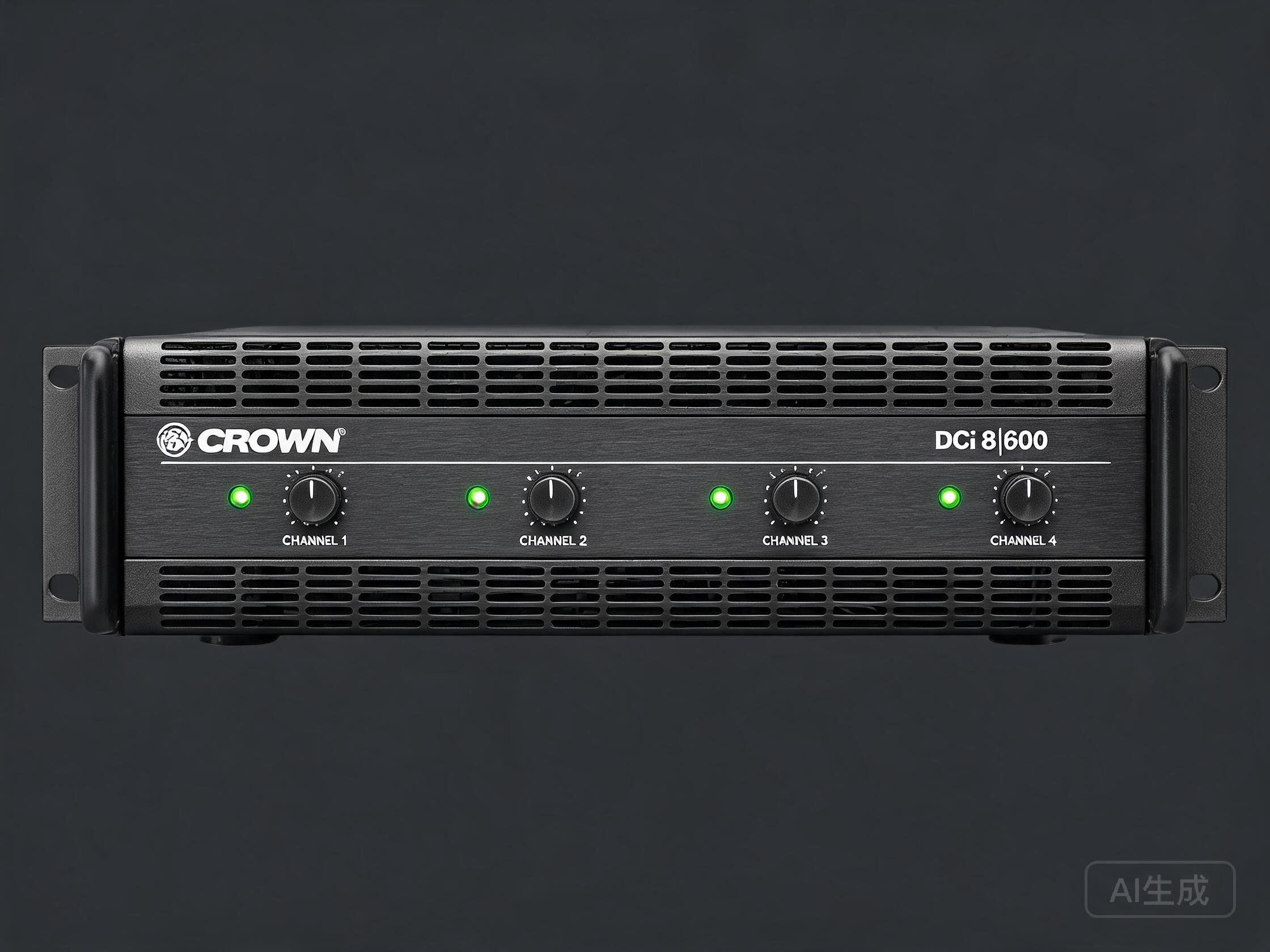
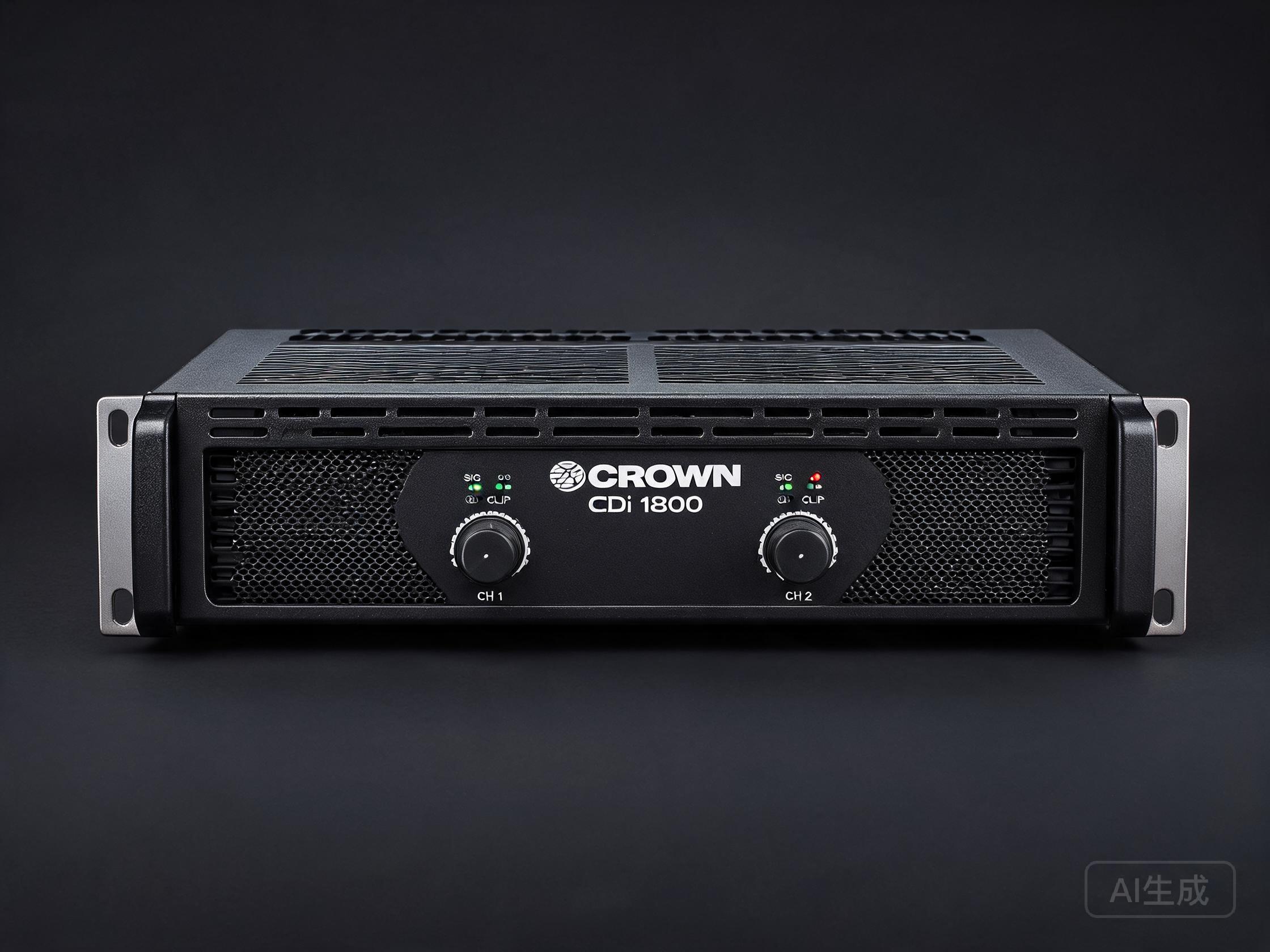
A frequency amplifier is an electronic device that increases the amplitude of a signal within a specific frequency range. In pro audio, the term is often used broadly to describe power amplifiers that drive loudspeakers, but it can also refer to specialized amplifiers that boost or shape specific frequency bands—such as subwoofer amps, mid-high amps, or multi-channel amplifiers with built-in crossovers.
Unlike a full-range amplifier that handles the entire audible spectrum, a frequency amplifier is optimized for a defined band. This makes it useful in systems where different drivers handle different frequency ranges, such as line arrays, subwoofers, and multi-way PA systems.
How Frequency Amplifiers Work
At its core, a frequency amplifier takes a low-level audio signal and boosts it to a level that can drive a speaker. The key difference lies in the frequency range it is designed to handle:
- Input stage: Receives the signal from a mixer or processor.
- Filtering/crossover: Some models include built-in filters to isolate a frequency band (e.g., low-pass for subwoofers).
- Amplification stage: Increases the signal amplitude using Class AB, Class D, or other topologies.
- Output stage: Delivers power to the loudspeaker.
In modern pro audio, Class D amplifiers are common for their efficiency and compact size, especially in high-power subwoofer applications.
Common Applications in Pro Audio
Frequency amplifiers are used across many venues and systems:
- KTV and clubs: Subwoofer amplifiers and multi-channel amps powering full-range speakers and subs.
- Live sound: Line array systems often use dedicated amps for low, mid, and high bands.
- Houses of worship and auditoriums: Multi-way systems with separate amplification for each frequency range.
- Mobile DJ and events: Compact amplifiers with built-in crossovers for flexible setups.
When selecting an amplifier, match its power rating to the speaker's continuous (RMS) handling and ensure the frequency range suits the driver.
Buying Used Frequency Amplifiers: What to Check
Used pro audio gear can offer excellent value, but condition matters. Here's a checklist:
- Power output: Verify the rated watts per channel at the speaker's impedance (e.g., 8Ω, 4Ω).
- Frequency response: Confirm the amplifier's specified range covers your application (e.g., 20 Hz–20 kHz for full-range, or 20–200 Hz for subwoofers).
- Connectors and condition: Inspect XLR/TRS inputs, speakON outputs, and binding posts for wear.
- Cooling and fans: Listen for noisy fans and check for dust buildup.
- Service history: Ask about recapping, repairs, or modifications.
- Testing: Request a bench test or demo if possible.
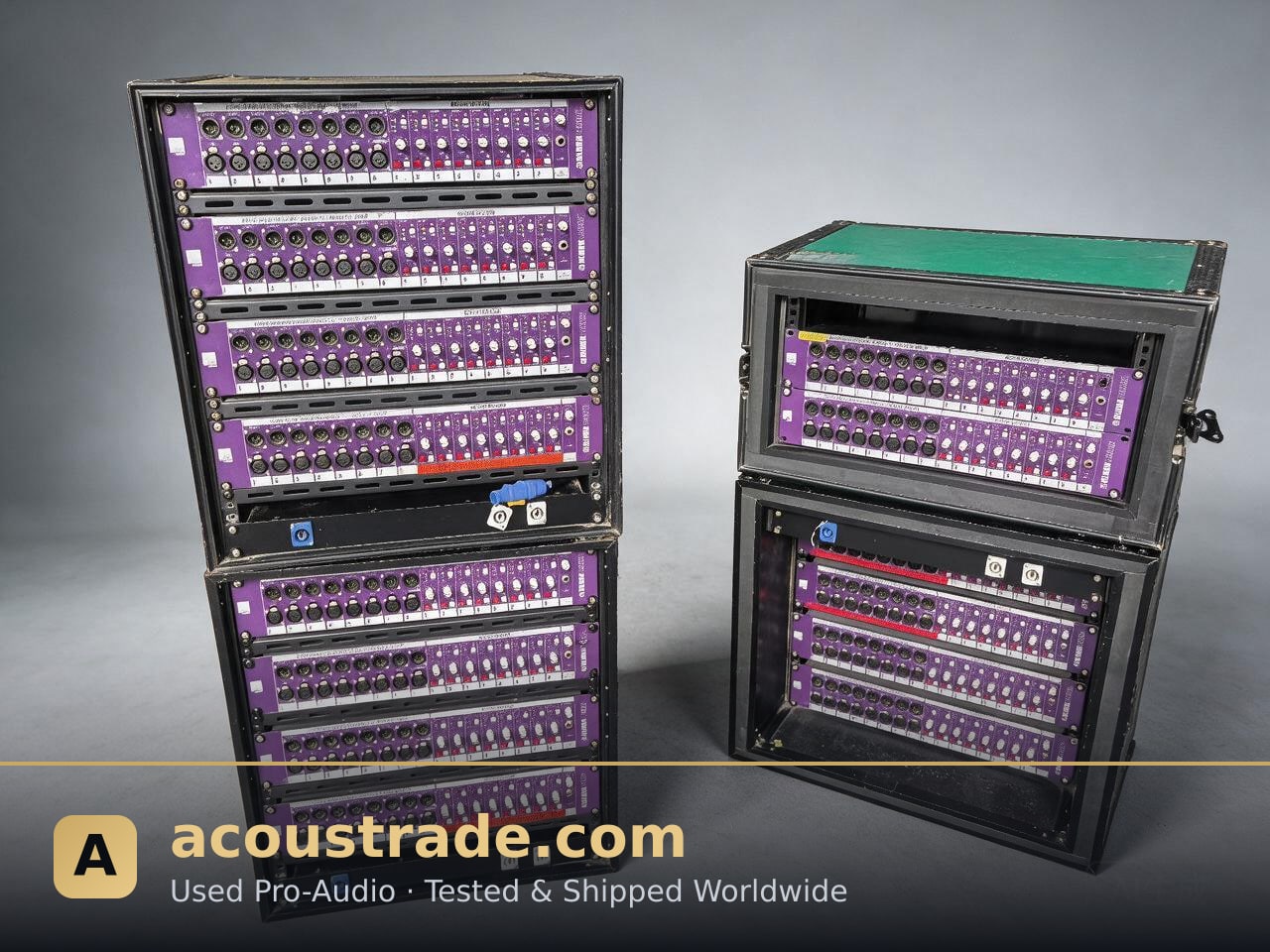
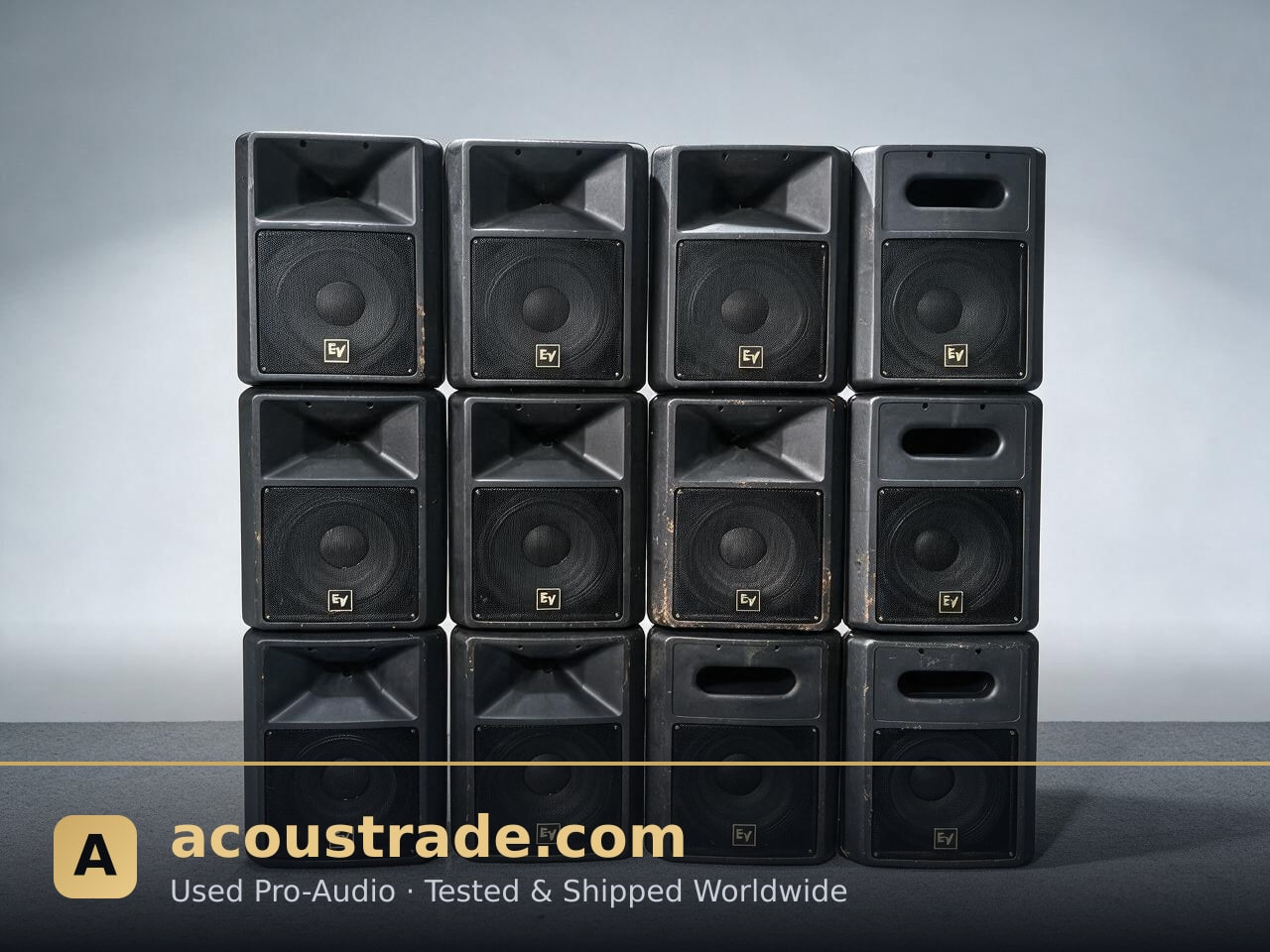
At Acoustrade, we supply tested used amplifiers, speakers, line arrays, mixers, and microphones for venues and integrators worldwide. Our inventory includes frequency amplifiers suitable for KTV, clubs, and live sound.
Matching Amplifiers to Speakers
To get the best results, follow these guidelines:
- Power: Choose an amplifier with 1.5–2× the speaker's continuous power rating for headroom.
- Impedance: Ensure the amplifier supports the total load (e.g., multiple speakers in parallel).
- Frequency range: Use subwoofer amps for low frequencies and full-range amps for mains.
- Processing: Built-in DSP or crossovers can simplify system tuning.
If you're unsure, consult the speaker's datasheet or ask your supplier for recommendations.
FAQ
Q: What is the difference between a frequency amplifier and a regular power amplifier?
A: A regular power amplifier is designed to amplify the full audio spectrum. A frequency amplifier is optimized for a specific frequency band, such as subwoofers or mid-high drivers, and may include built-in filters or crossovers.
Q: Can I use a frequency amplifier for full-range speakers?
A: It depends on the amplifier's frequency response. If it is designed for a limited band (e.g., subwoofer use), it may not reproduce full-range audio accurately. Always check the specifications.
Q: What should I look for when buying a used frequency amplifier?
A: Check power output, frequency response, connector condition, cooling fans, and service history. Request a test if possible. Buying from a reputable supplier like Acoustrade ensures the unit has been tested.
Q: How do I choose the right amplifier power for my speakers?
A: Match the amplifier's continuous power to the speaker's RMS rating, ideally with some headroom (1.5–2×). Avoid amplifiers that are significantly underpowered, as clipping can damage speakers.
Q: Does Acoustrade ship internationally?
A: Yes, Acoustrade supplies tested used pro audio equipment globally. Contact us for shipping details and availability.