Where to Buy Used Pro Audio and KTV Equipment
If you are outfitting a venue, upgrading a KTV room chain, or supplying an AV integration project, buying used (second-hand) professional audio gear can cut your equipment budget substantially. The harder question is usually not whether to buy used, but where to buy it safely. This guide walks through the main sourcing channels, what each one is good for, and the checks that separate a solid deal from an expensive mistake.
The Main Places to Buy Used Pro Audio Gear
1. Specialist used-equipment suppliers
Suppliers who focus exclusively on tested second-hand pro audio are usually the most reliable route for integrators and venue investors. Because their business depends on repeat buyers, they typically test gear, document condition, and offer some form of warranty or return window.
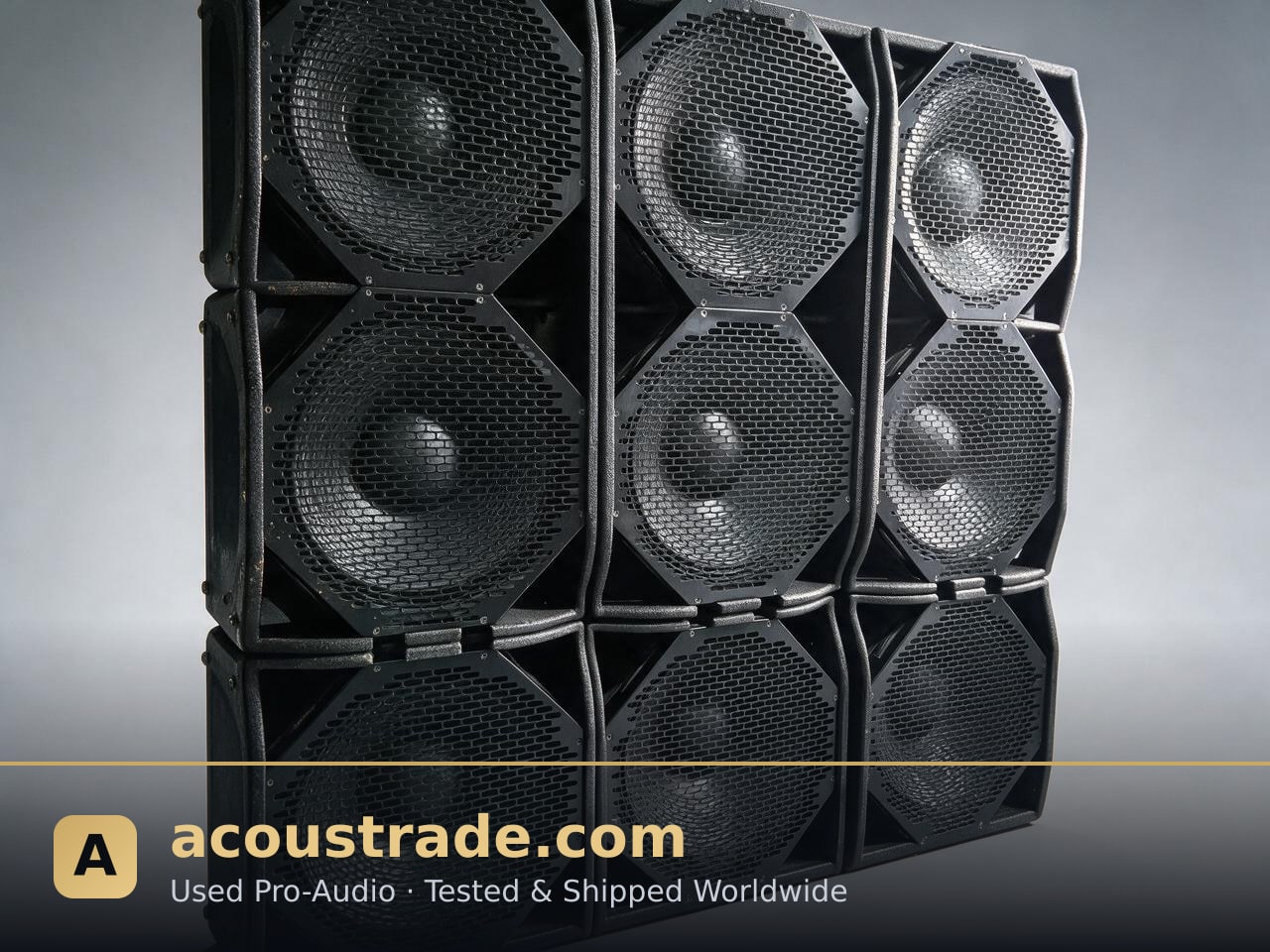
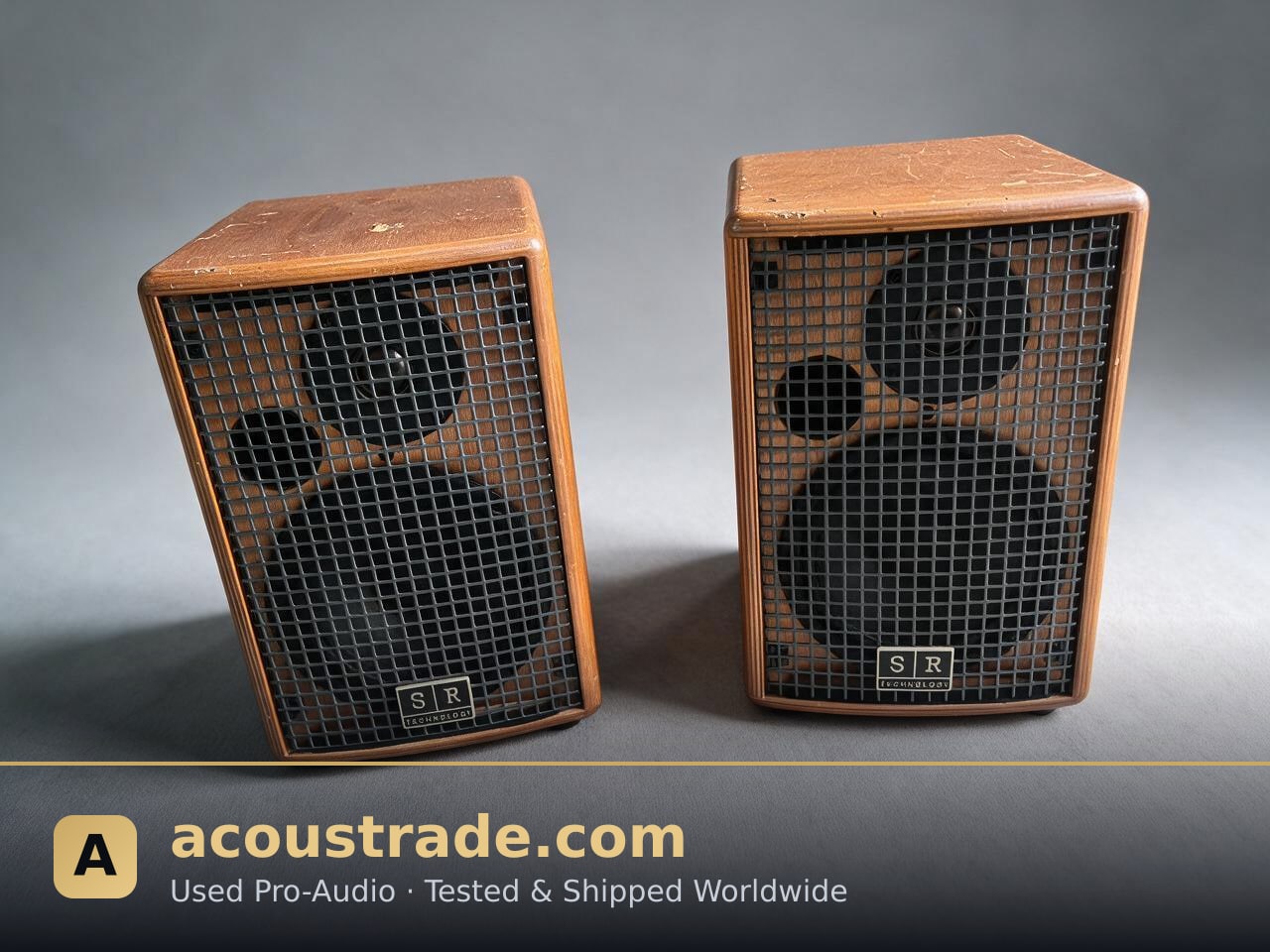
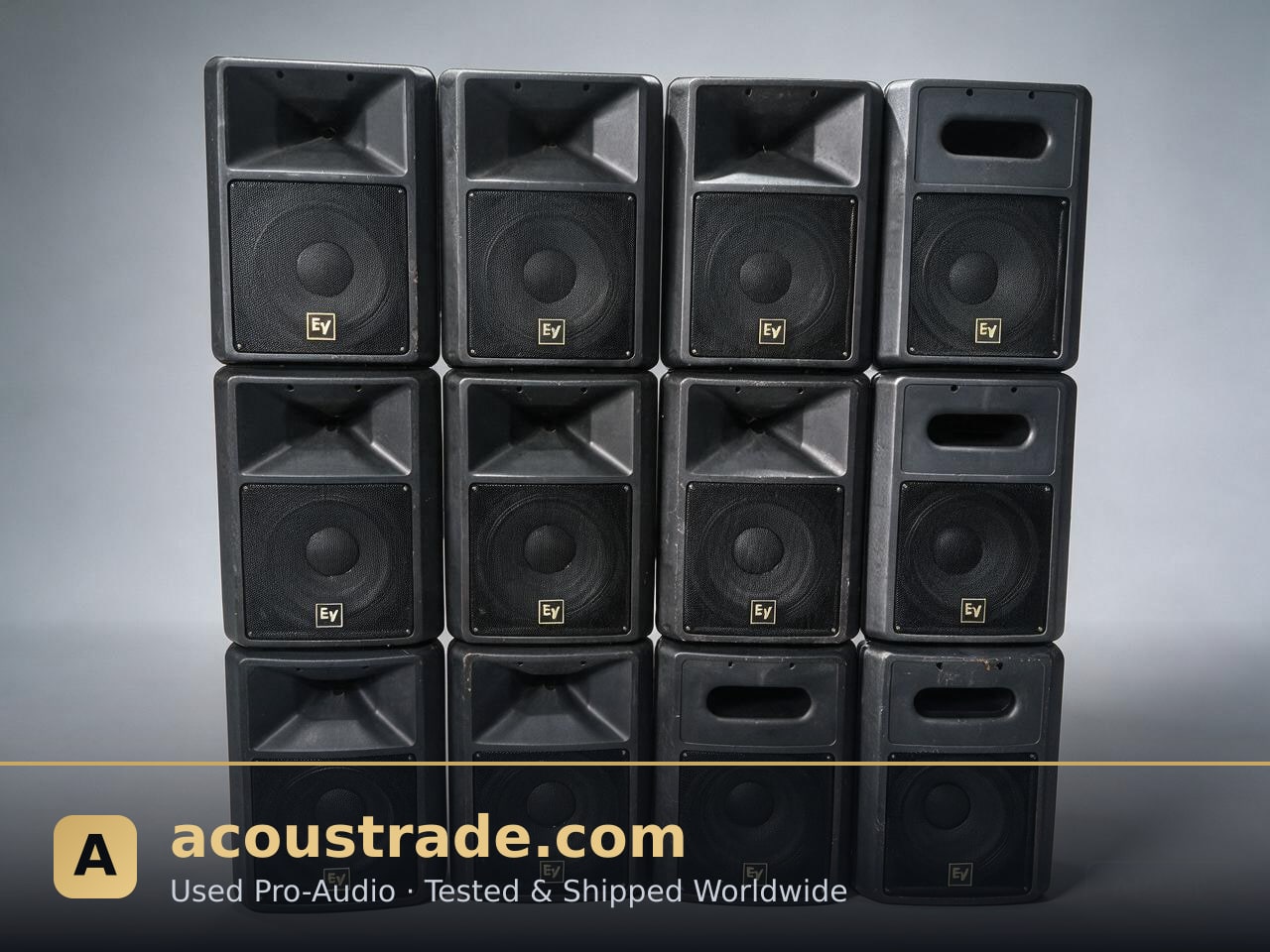
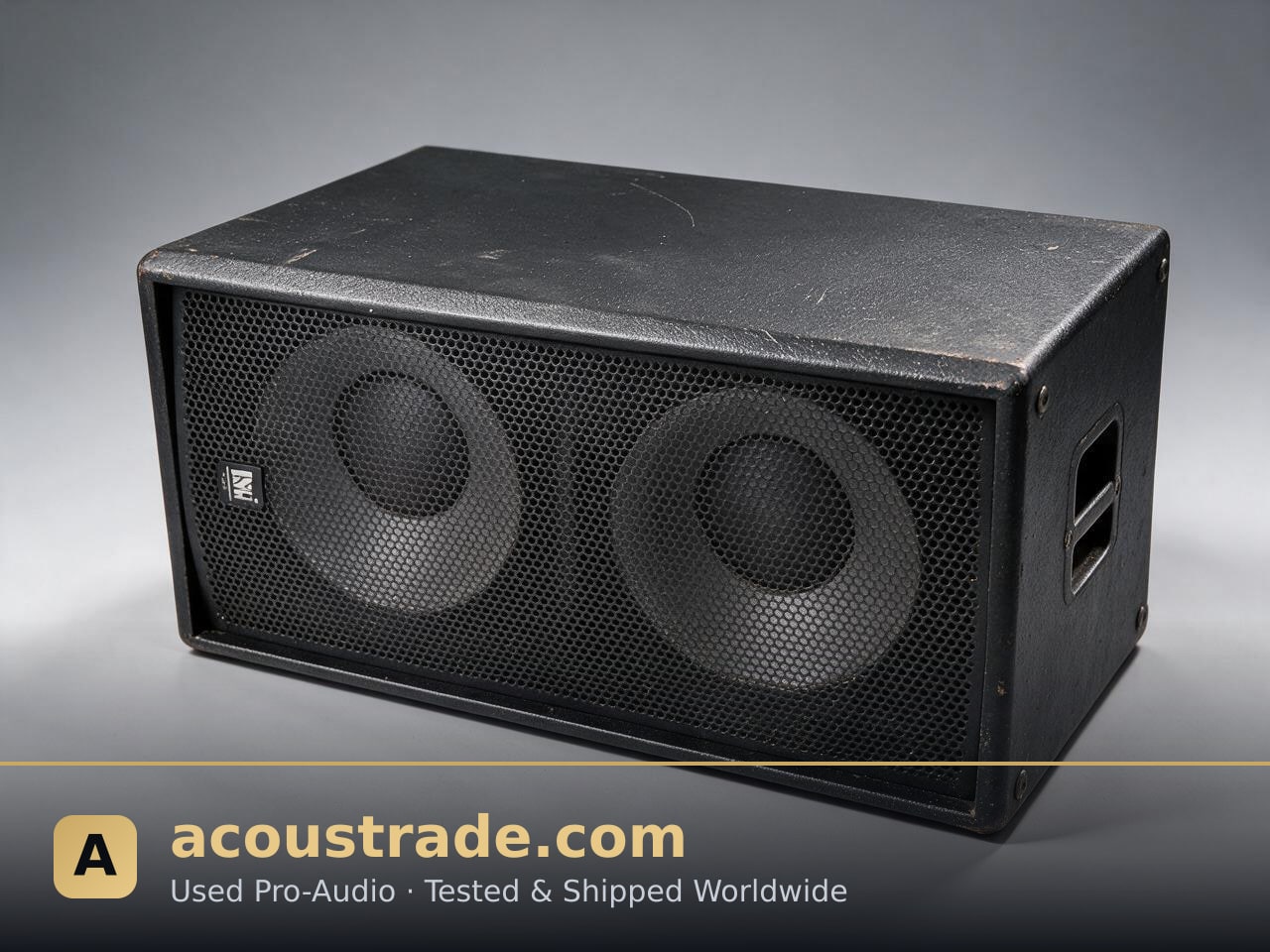
This is where Acoustrade operates: a global supplier of tested used amplifiers, speakers, line arrays, mixers and microphones, including KTV-specific systems. Buying from a specialist means you can request matched lots (for example, a full line array hang or a set of identical amplifiers) rather than piecing a system together from scattered listings.
2. Online marketplaces and classifieds
Consumer marketplaces and classified sites offer the widest selection and the lowest headline prices. They are also the highest-risk channel: condition is self-reported, history is unknown, and returns are often impossible. They work best for low-value accessories or when you can inspect in person.
3. Auctions and liquidation sales
Venue closures, hotel refurbishments and studio liquidations regularly push large lots of amplifiers, speakers and mixers into auction. Prices can be excellent, but lots are usually sold as-is, collection windows are short, and you need to arrange freight yourself. Auctions suit buyers with technical staff who can assess risk quickly.
4. Trade brokers and resellers
Brokers sit between sellers and buyers and can source specific models or quantities. Their value is access and logistics; their cost is a margin. Ask clearly whether the broker has physically inspected the goods or is passing on the seller's description.
5. Manufacturer refurbishment programs
Some brands sell refurbished units directly or through authorized partners. Availability is limited and pricing is closer to new, but you get manufacturer-backed condition standards. This is a good option for critical components where reliability matters more than price.
6. Direct from other venues and integrators
When a venue upgrades, its old system often needs a new home. Direct peer-to-peer deals can be excellent value, especially for complete room systems (speakers, amplifiers, processors and microphones together). The trade-off is that you carry all the inspection and testing work.
What to Check Before You Buy Anywhere
Regardless of channel, the same fundamentals apply:
- Tested or untested? Ask exactly what was tested and how. "Powers on" is not the same as "bench-tested at rated load."
- Condition report and photos. Request close-ups of connectors, cones, grilles, rack ears and any cosmetic damage.
- Service history. Has the unit been repaired, recapped or modified? Modified gear can be fine, but you should know.
- Matching and quantity. For line arrays and multi-room KTV projects, matched serial batches matter for consistent sound.
- Documentation. Manuals, preset files and firmware versions help your integrator commission the system faster.
- Warranty and returns. Even a short warranty changes the risk calculation significantly.
- Freight and packing. Pro audio is heavy and fragile in transit. Confirm palletizing, flight-case packing or crating is included.
- Voltage and plug standards. Confirm the gear matches your region's mains voltage and connector standards before shipping.
Matching the Source to Your Project
Use the channel that fits your risk tolerance and volume:
- Single venue, tight budget: specialist supplier for core systems; marketplaces for accessories.
- Multi-room KTV rollout: specialist supplier able to supply matched quantities of amplifiers, speakers and microphones.
- Large installation with technical staff: auctions and liquidation sales can deliver strong value on bulk lots.
- Critical or hard-to-service locations: manufacturer refurbishment or supplier-backed tested stock.
Browse Acoustrade's categories to see how tested used power amplifiers, speakers, line arrays, mixers and microphones are typically grouped and described, which makes comparing offers across channels much easier.
FAQ
Is it safe to buy used pro audio equipment online?
It can be, if you buy from a supplier that tests gear and offers a warranty or return window. The risk rises sharply with anonymous marketplace listings where condition is self-reported and returns are not possible.
How much can I save buying used instead of new?
Savings vary widely by brand, age and condition, so no single figure applies. In practice, the biggest savings usually appear on discontinued models, complete room systems and bulk lots from venue closures.
Should I buy a complete used system or individual components?
For KTV rooms and fixed installations, a complete matched system is usually faster to commission and sounds more consistent. Individual components make sense when you are expanding an existing system of the same model family.
What is the most important question to ask a used equipment seller?
Ask what was tested and how. A clear, specific answer about bench testing, load conditions and results tells you more about the seller than any photo.
Do used line arrays come with rigging hardware?
It depends on the lot. Always confirm explicitly whether fly bars, rigging frames, link hardware and flight cases are included, because sourcing them separately can be slow and costly.