Introduction
Selecting the right power amplifier for your speakers is crucial for achieving optimal sound quality and system reliability. Whether you're outfitting a KTV venue, a live performance stage, or a conference room, the amplifier must match your speakers' power handling and impedance to deliver clean, undistorted audio. This guide walks you through the key factors to consider when choosing a power amplifier, helping you make an informed decision.
1. Understand Your Speakers' Power Requirements
The first step is to determine your speakers' power handling capabilities. Look for the continuous power rating (also called RMS) and peak power rating. The amplifier should be able to deliver at least the continuous power rating to avoid distortion, but not so much that it exceeds the peak rating and risks damaging the speakers. A common rule of thumb is to choose an amplifier with 1.5 to 2 times the continuous power rating of the speakers to allow for headroom during dynamic peaks.
2. Match Impedance
Impedance, measured in ohms (Ω), must be compatible between the amplifier and speakers. Most speakers are 4Ω, 8Ω, or 16Ω. The amplifier's minimum impedance rating should be equal to or lower than the speakers' impedance. For example, an amplifier rated for 4Ω can safely drive 4Ω or 8Ω speakers. Connecting speakers with lower impedance than the amplifier's minimum can cause overheating and failure.
3. Consider the Amplifier's Power Output
The amplifier's power output (watts per channel) should align with your speakers and the size of the venue. For small rooms, 50-100 watts per channel may suffice, while large venues or outdoor events might require 500 watts or more per channel. Ensure the amplifier's power output at the speakers' impedance meets your needs. If you plan to drive multiple speakers, consider amplifiers that support parallel or bridge mono operation.
4. Check Connectivity and Features
Modern amplifiers come with various input and output options. Look for balanced XLR or TRS inputs for noise-free connections, and binding post or Speakon outputs for secure speaker connections. Additional features like built-in DSP, crossovers, and limiters can enhance system performance and protect your speakers. For KTV setups, amplifiers with microphone inputs and echo effects are often desired.
5. Reliability and Brand Reputation
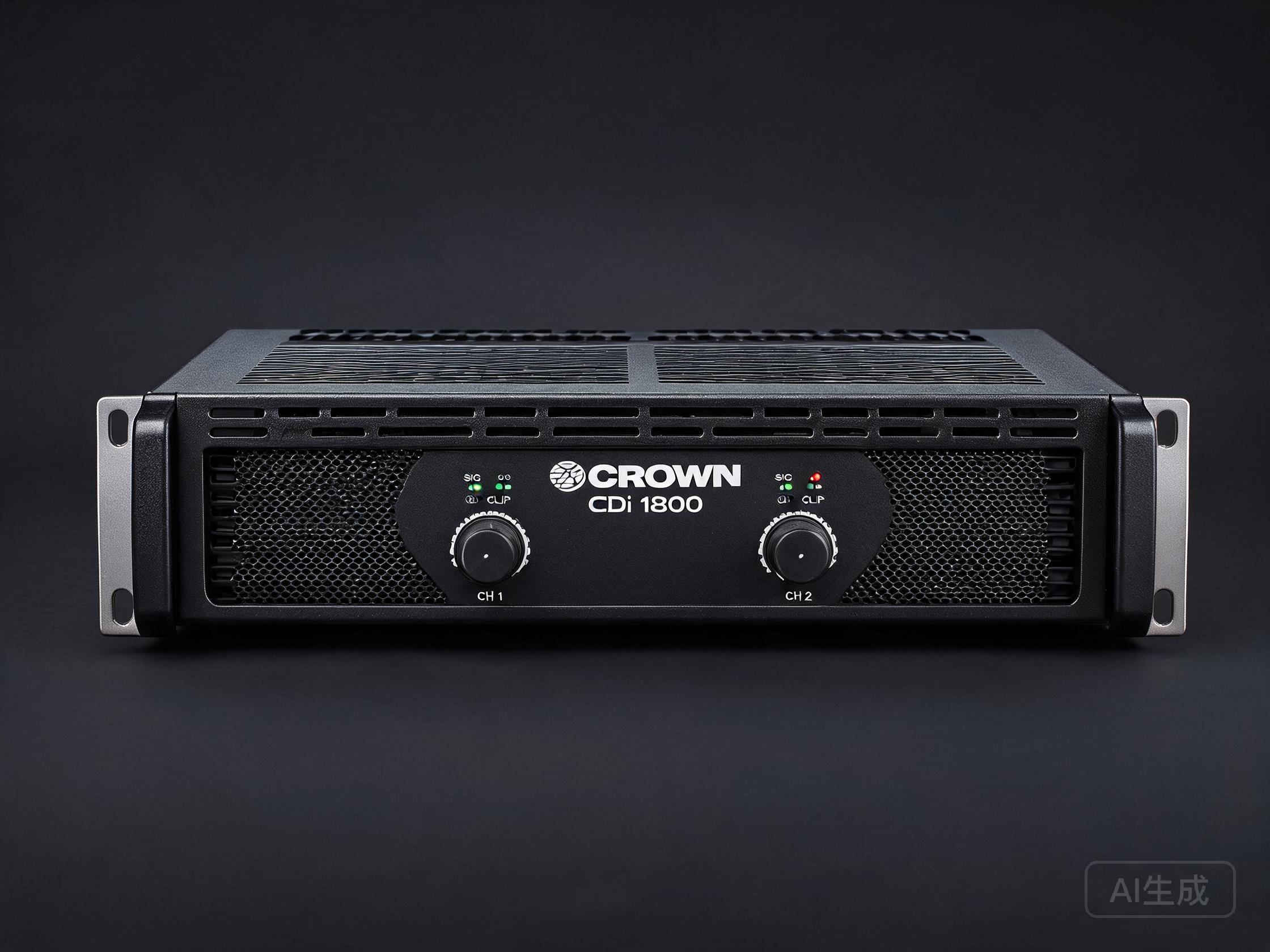
Choose amplifiers from reputable brands known for reliability, such as Crown, QSC, or Yamaha. If you're considering used equipment, ensure it has been tested and refurbished by a trusted supplier. Acoustrade offers a range of tested used power amplifiers from top brands, providing a cost-effective solution without compromising on quality.
FAQ
Q: Can I use an amplifier with higher power than my speakers?
A: Yes, but it's safer to have an amplifier with slightly more power than the speakers' continuous rating to avoid clipping. However, excessive power can damage speakers if not careful.
Q: What happens if impedance doesn't match?
A: Mismatched impedance can cause overheating, distortion, or damage to both amplifier and speakers. Always match impedance within safe limits.
Q: How many watts do I need for a KTV room?
A: For a typical KTV room, 100-200 watts per channel is often sufficient, but it depends on room size and speaker efficiency.
Q: Are used amplifiers reliable?
A: When purchased from a reputable dealer like Acoustrade, used amplifiers are tested and refurbished to ensure reliability.
Q: What is bridge mode?
A: Bridge mode combines two channels of an amplifier to double the power output for a single speaker, useful for high-power subwoofers.