Introduction
Sizing an amplifier for a karaoke room is not just about matching wattage; it’s about ensuring clean, reliable sound night after night. The Crown DCi series is a popular choice for KTV installations due to its robust build, DSP options, and network control. This guide walks you through the process of selecting the right Crown DCi model for your karaoke room, whether you’re outfitting a single VIP room or a multi-room venue.
1. Determine Your Speaker Load and Power Requirements
Before choosing an amplifier, you need to know how much power your speakers can handle and their impedance. Karaoke rooms typically use full-range speakers for vocals and music, plus possibly subwoofers for low-end impact.
- Check speaker specifications: Look for continuous (RMS) power handling and nominal impedance (e.g., 8Ω, 4Ω).
- Calculate total power per channel: If you plan to connect multiple speakers per channel, sum their RMS power ratings. For example, two 150W speakers in parallel on one channel require at least 300W from that channel.
- Consider headroom: Aim for amplifier power that is 1.5 to 2 times the speaker’s continuous power rating. This headroom prevents clipping and protects speakers during peak karaoke moments.
2. Match Amplifier Channels to Your Setup
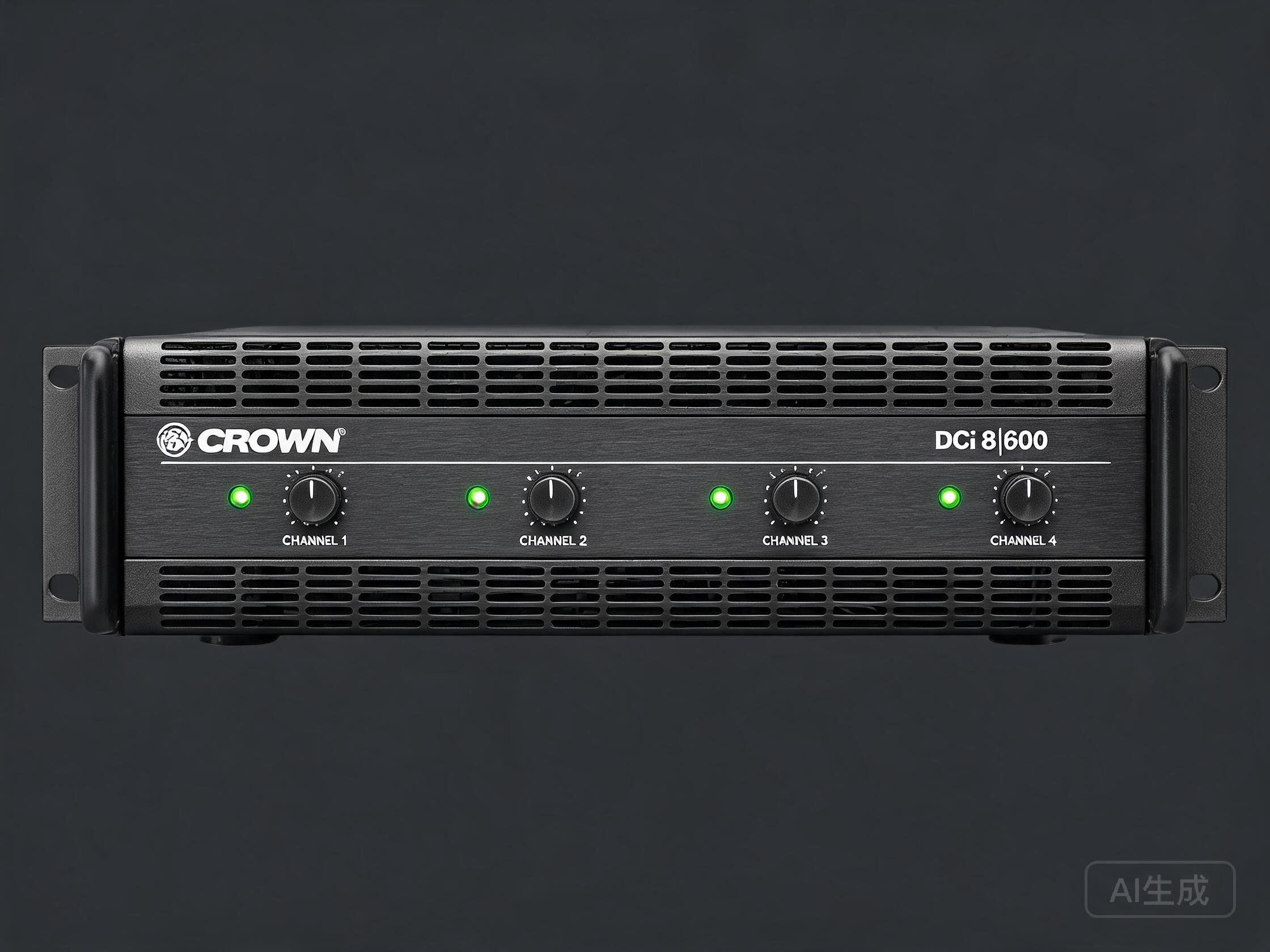
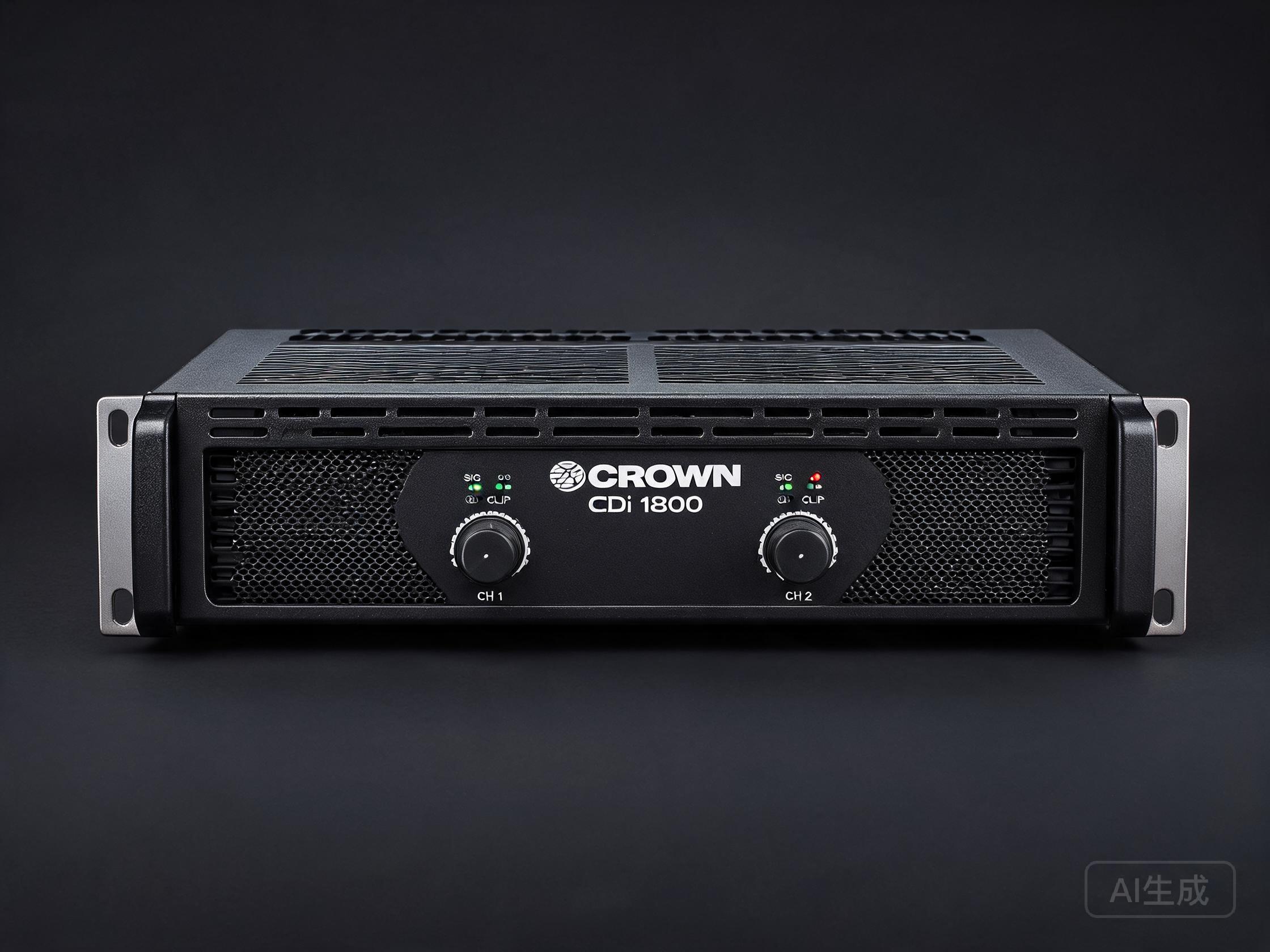
Crown DCi amplifiers come in various channel configurations (e.g., 2-channel, 4-channel, 8-channel). For a typical karaoke room:
- Stereo setup: Use a 2-channel amplifier for left and right speakers.
- Multi-zone or multi-speaker: A 4-channel or 8-channel model lets you power multiple zones or bi-amp speakers.
- Subwoofer: If using a passive subwoofer, you may need a dedicated channel or a separate amplifier. Crown DCi models with bridging capability can deliver higher power to a single subwoofer.
3. Account for Impedance and Bridging
Impedance affects how much power the amplifier can deliver. Crown DCi amplifiers are rated for 2Ω, 4Ω, 8Ω, and 70V/100V lines. For karaoke rooms:
- Low-impedance systems: Most common; ensure total impedance per channel is within the amplifier’s rated range (usually 2Ω minimum).
- Bridged mode: Combines two channels into one for higher power. Use only if your speaker’s impedance and power handling allow.
- Constant voltage (70V/100V): Useful for distributed systems with many speakers, but less common in small karaoke rooms.
4. Choose the Right Crown DCi Model
Crown DCi series includes models like DCi 2|300, 4|300, 8|300, and higher-power versions. To select:
- Calculate total power needed: Sum the power requirements for all speakers per channel, add headroom.
- Check channel count: Ensure the model has enough channels for your zones.
- Consider DSP and networking: DCi models with built-in DSP (e.g., DCi-DA series) allow room tuning and remote control, beneficial for KTV venues.
For example, a small karaoke room with four 100W speakers (two per channel) would need at least 200W per channel; a Crown DCi 2|300 (300W per channel at 4Ω) provides ample headroom.
5. Don’t Forget About Cooling and Power Supply
Karaoke rooms can get hot and humid. Ensure the amplifier has adequate ventilation and is installed in a rack with proper airflow. Crown DCi amplifiers are designed for continuous operation, but always follow the manufacturer’s guidelines for thermal management.
Frequently Asked Questions (FAQ)
1. Can I use a Crown DCi amplifier with any karaoke speakers?
Yes, as long as the speaker impedance and power handling are within the amplifier’s specifications. Always check both the amplifier’s minimum impedance and the speaker’s RMS power.
2. How much headroom do I really need for karaoke?
A headroom of 1.5x to 2x the speaker’s continuous power is recommended. Karaoke involves sudden peaks from vocals and music, so extra power helps avoid distortion.
3. What is the difference between DCi and DCi-DA series?
DCi-DA models include built-in DSP and Dante networking, allowing advanced signal processing and audio-over-IP. Standard DCi models are analog input only.
4. Can I bridge a Crown DCi amplifier for a subwoofer?
Yes, most Crown DCi models support bridging. Ensure the subwoofer’s impedance is compatible (usually 4Ω or 8Ω in bridged mode) and does not exceed the amplifier’s bridged power rating.
5. Where can I find tested used Crown DCi amplifiers?
Acoustrade offers a range of tested used pro-audio equipment, including amplifiers, speakers, and mixers. Browse our amplifiers category for available Crown DCi models and other brands.