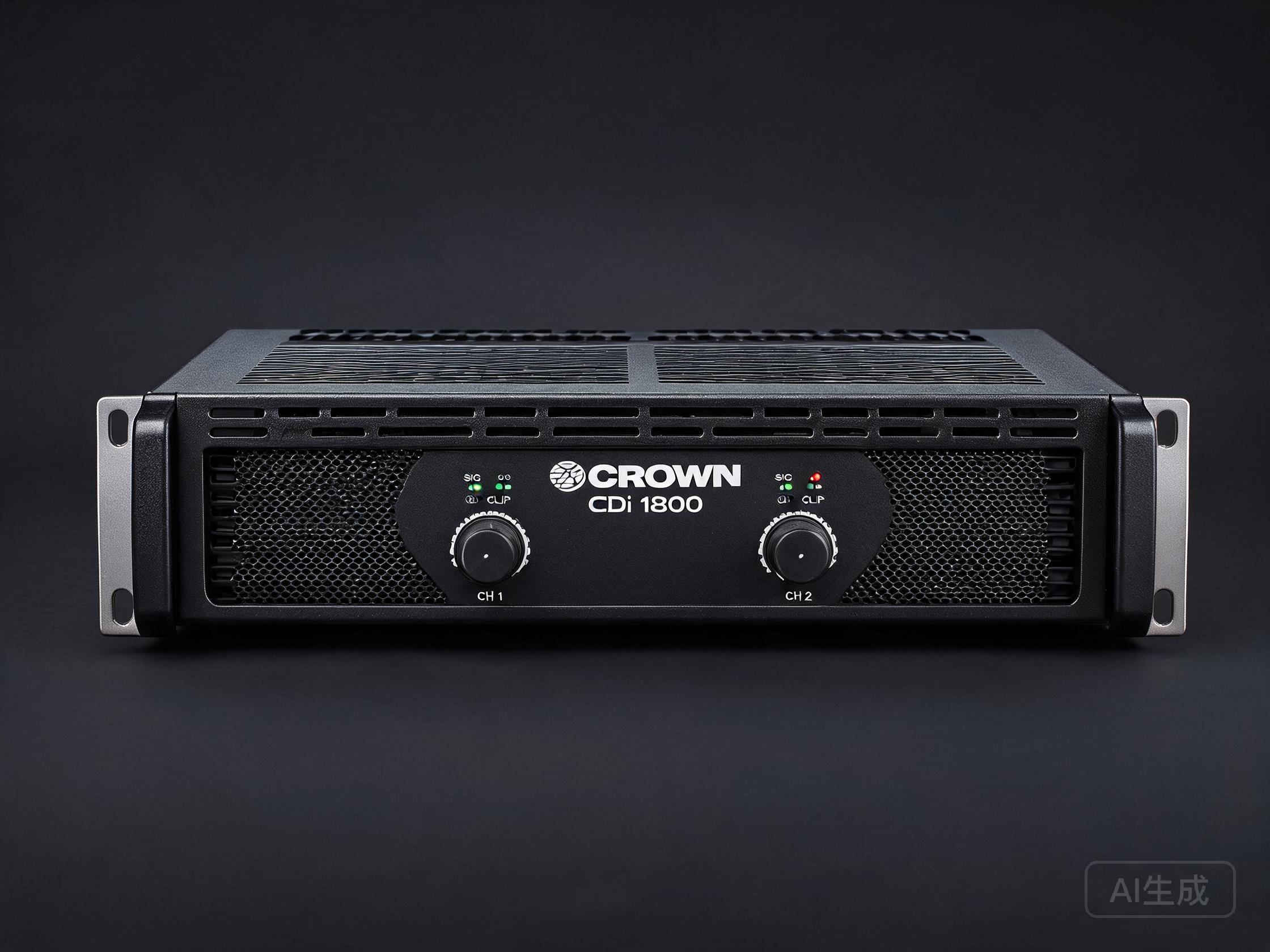
Why Buy a Second Hand Power Amplifier?
A second hand power amplifier can cut your audio system budget by 40–60% compared to new gear, without sacrificing the reliability that professional touring and installation brands are known for. For venue investors and AV integrators, that saving often means the difference between a 4-channel and an 8-channel setup — or between one amp room and a full rack.
The key is buying from a supplier that tests, grades, and documents every unit. Acoustrade specializes in tested used pro-audio equipment, so you know exactly what you are getting before it ships.
What to Check Before You Buy
Not every used amplifier is a bargain. Here is a practical checklist:
- Test report: Ask for bench-test results — output power per channel, THD, idle current, and protection-circuit function.
- Cosmetic grade: A/B/C grading tells you whether the unit is rack-ready or needs a faceplate swap.
- Fan and filter condition: Dust-clogged fans are the number-one cause of thermal shutdown in used amps.
- Capacitor age: Electrolytic capacitors degrade over time. A reputable seller will note whether the unit has been re-capped.
- Connector type: Confirm Speakon, binding post, or terminal block to match your existing speaker runs.
- Voltage: 220–240V vs 110–120V matters if you are shipping across regions.
Matching a Second Hand Amplifier to Your Venue
KTV and private rooms
KTV rooms need amplifiers that deliver clean power at low impedance and handle long duty cycles. Look for 2-channel amps rated at 200–400W per channel into 8 ohms, with strong thermal design. Many integrators standardize on a single model across all rooms to simplify spares.
Bars, clubs, and live sound
For live sound you want headroom. A used amplifier rated at roughly twice the speaker's continuous power handling gives you clean transients without clipping. Four-channel amps are popular because they reduce rack space and cabling.
Installations and distributed audio
For restaurants, retail, and hotels, 70V/100V constant-voltage outputs are often required. Check that the used amplifier supports the tap voltages your ceiling speakers use.
Brands That Hold Up Well on the Used Market
Certain amplifier lines have earned a reputation for long service life, which is why they retain value even second hand:
- Crown — the Macro-Tech and XLS series are common in installs and touring racks.
- QSC — the RMX and PLX series are widely used in clubs and KTV.
- Lab.gruppen — popular in high-end touring and fixed installs.
- Yamaha — the P-series is a staple in commercial audio.
Availability changes weekly. Browse the current used amplifier inventory to see what is in stock.
Buying Second Hand vs New: A Quick Comparison
| Factor | Second Hand | New |
|---|---|---|
| Upfront cost | 40–60% lower | Full retail |
| Lead time | Often in stock | Can be weeks |
| Warranty | Varies by seller | Full manufacturer |
| Test data | Provided by good sellers | Standard |
If your project is budget-sensitive and your timeline is tight, tested second hand gear is usually the faster path.
Shipping and Support
Acoustrade ships worldwide. Before ordering, confirm:
- Voltage and plug type for your country
- Packing method (double-boxed, foam-lined)
- Spare parts availability for your chosen model
- Return or DOA policy
Pairing your amplifier with matched used speakers and a used mixer keeps the whole signal chain consistent.
FAQ
Q: Is a second hand power amplifier reliable?
A: Yes, if it has been bench-tested and graded. Ask for test data and check fan, capacitor, and connector condition.
Q: What power rating do I need for a KTV room?
A: Most KTV rooms work well with 200–400W per channel into 8 ohms. Match the amp to your speaker's continuous rating and add headroom.
Q: Can I mix second hand amplifiers with new speakers?
A: Absolutely. Just match impedance and power ratings. A used amp driving new speakers is a common, cost-effective setup.
Q: Do you ship internationally?
A: Yes. Confirm voltage, plug type, and packing requirements before ordering.
Q: What if the amplifier arrives damaged?
A: Check the seller's DOA and return policy before purchase. Reputable suppliers document condition before shipping.