What Is "Acountence"?
"Acountence" is not a standard term in professional audio, acoustics, or audio engineering. It does not appear in major audio glossaries, manufacturer documentation, or industry standards. Most likely, it is a misspelling or phonetic variant of acoustics or audience, or a brand-specific or regional term used by a particular vendor or venue.
If you encountered "acountence" while searching for audio equipment, acoustic treatment, or venue sound systems, this guide explains the most probable meanings and how to proceed.
Most Likely Interpretations
1. A Misspelling of "Acoustics"
Acoustics is the science of sound—how it is produced, transmitted, and received in a space. In venue design and AV integration, acoustics covers:
- Room geometry and surface materials
- Reverberation time and echo control
- Sound isolation between zones
- Speaker placement and coverage
If your search was about improving sound quality in a KTV room, bar, or live venue, acoustic treatment (panels, diffusers, bass traps) and proper speaker positioning matter more than any single piece of equipment.
2. A Variant of "Audience"
In some contexts, "acountence" may be a typo for "audience"—the people receiving the sound. Audience coverage is a core design goal: line arrays, point-source speakers, and zone mixing all aim to deliver even sound pressure and clarity across the listening area.
3. A Brand or Regional Term
Occasionally, small brands or regional distributors use non-standard terms for product lines. If you saw "acountence" on a product listing, check the manufacturer's official documentation and model number before assuming it refers to a technical specification.
How Acoustics Relates to Equipment Sourcing
Whether you are outfitting a new KTV venue, upgrading a bar sound system, or specifying a live stage, the equipment categories that matter most include:
- Amplifiers – match power ratings to speaker impedance and SPL requirements.
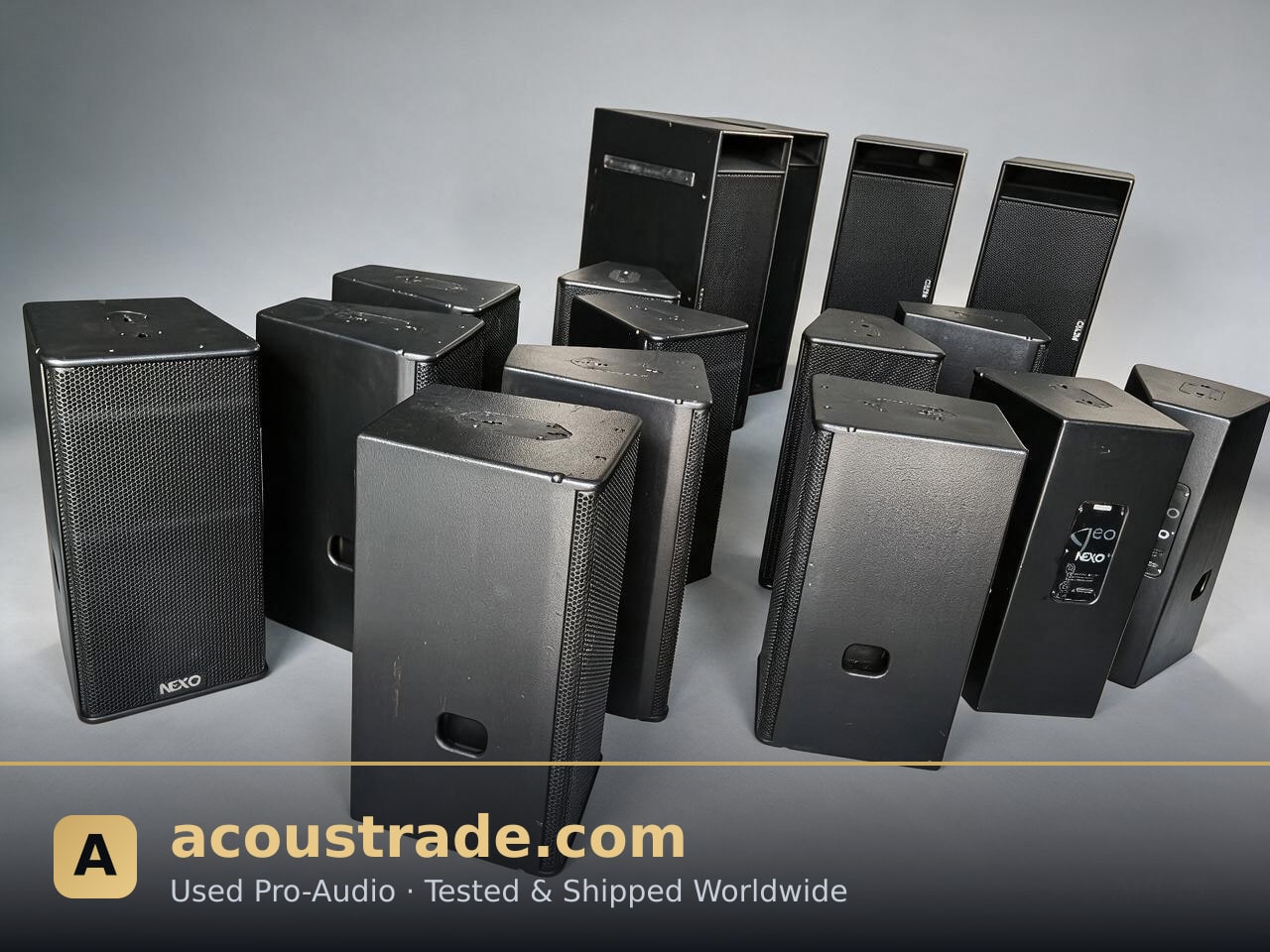
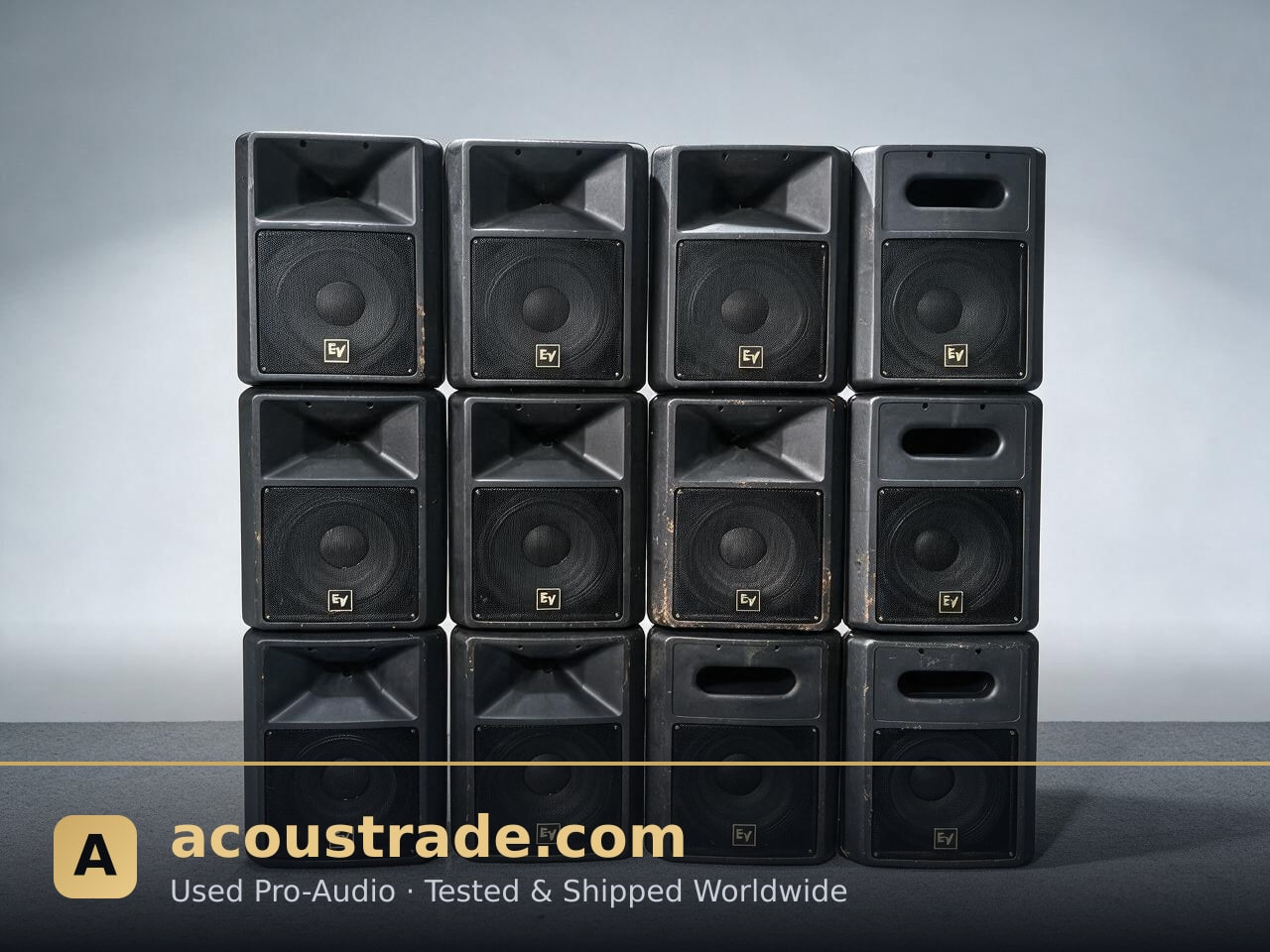
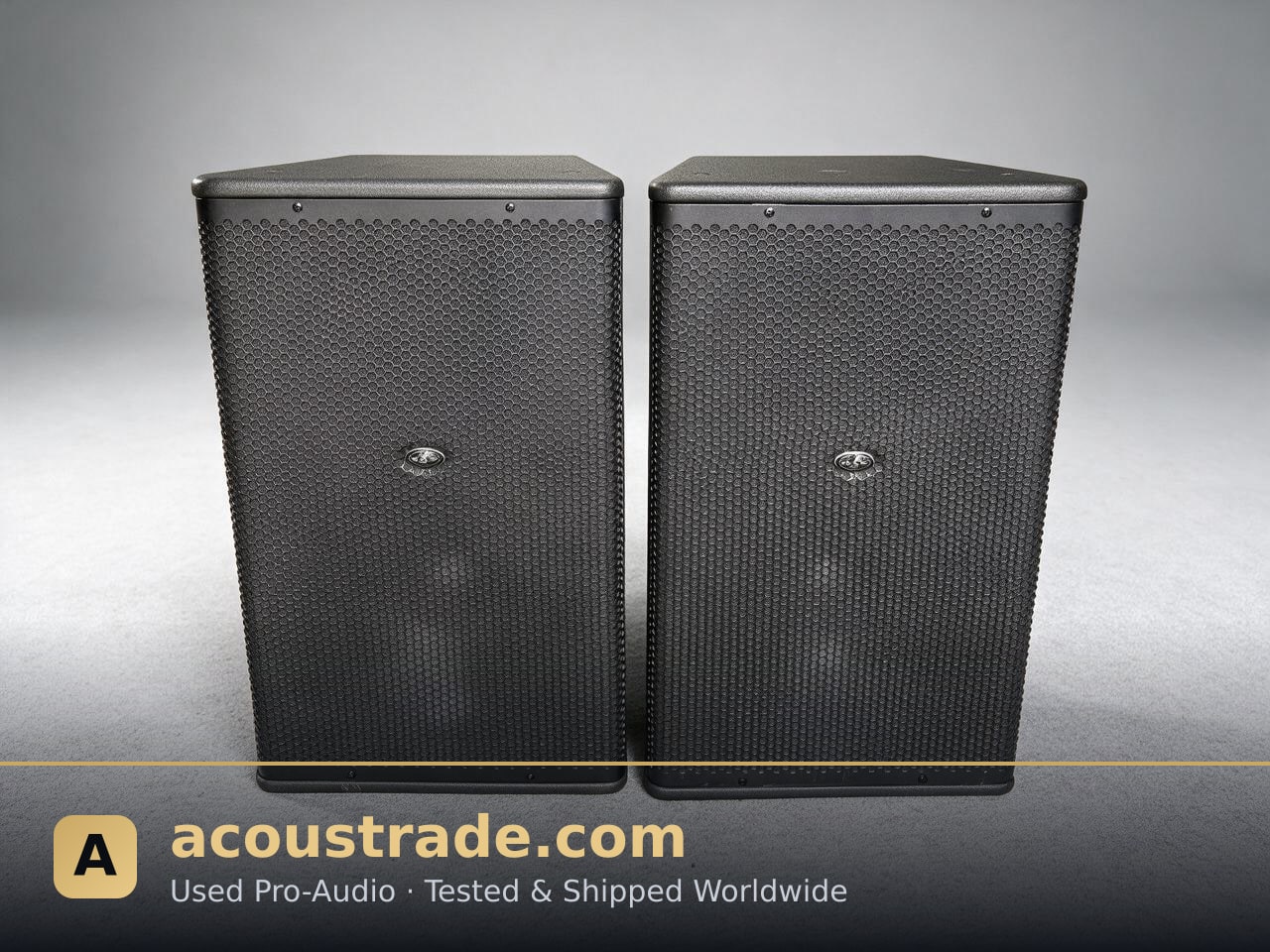
- Speakers and line arrays – choose coverage patterns that fit room shape and ceiling height.
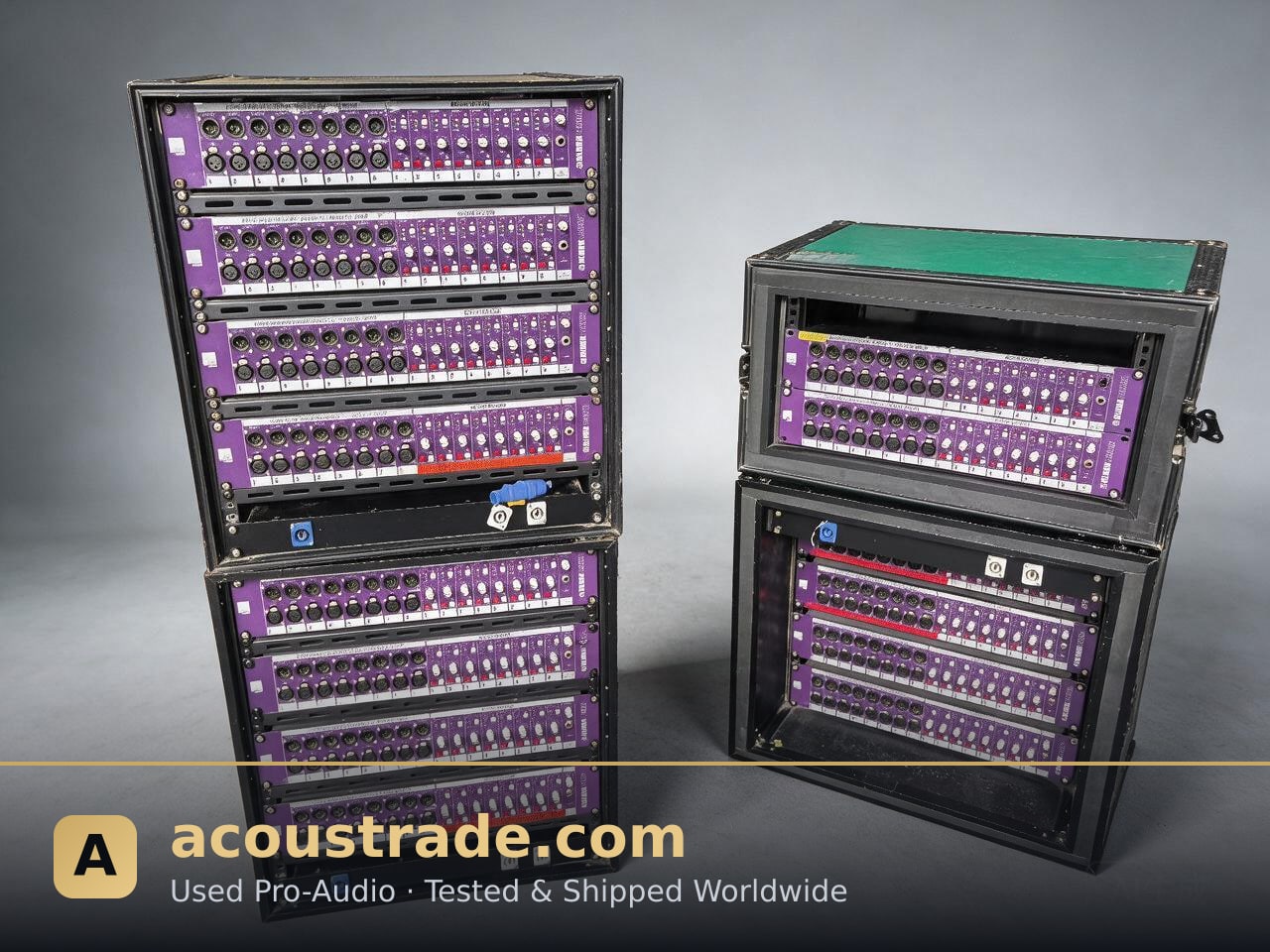
- Mixers and processors – control zones, feedback, and routing.
- Microphones – wired and wireless options for vocals, announcements, and performances.
At Acoustrade, we supply tested used pro-audio and KTV equipment across these categories, giving integrators and venue investors access to reliable gear at lower cost. Every listing is described with real specifications—no invented certifications or performance claims.
What to Check Before Buying Audio Gear
If your interest in "acountence" stems from a real project, use this checklist:
- Define the room: dimensions, ceiling height, surface materials, and expected occupancy.
- Set the use case: background music, KTV vocals, live performance, or speech.
- Calculate power and coverage: match amplifier wattage and speaker sensitivity to the space.
- Plan acoustic treatment: address flutter echo and excessive reverb early.
- Verify equipment condition: for used gear, ask for test reports, photos, and model numbers.
FAQ
Is "acountence" a real audio term?
No standard audio glossary or industry standard uses "acountence." It is most likely a misspelling of "acoustics" or "audience," or a brand-specific term.
What should I search for instead?
If you meant room sound quality, search for "acoustics" or "acoustic treatment." If you meant listeners, search for "audience coverage" or "sound reinforcement."
Can Acoustrade help with acoustic planning?
Acoustrade focuses on supplying tested used pro-audio and KTV equipment—amplifiers, speakers, line arrays, mixers, and microphones. For room acoustic design, work with a local acoustic consultant and use our equipment listings to build the system.
How do I verify used audio equipment before purchase?
Request model numbers, test reports, high-resolution photos, and confirmation of working condition. Reputable suppliers provide these as standard.